
Last updated November 16, 2026
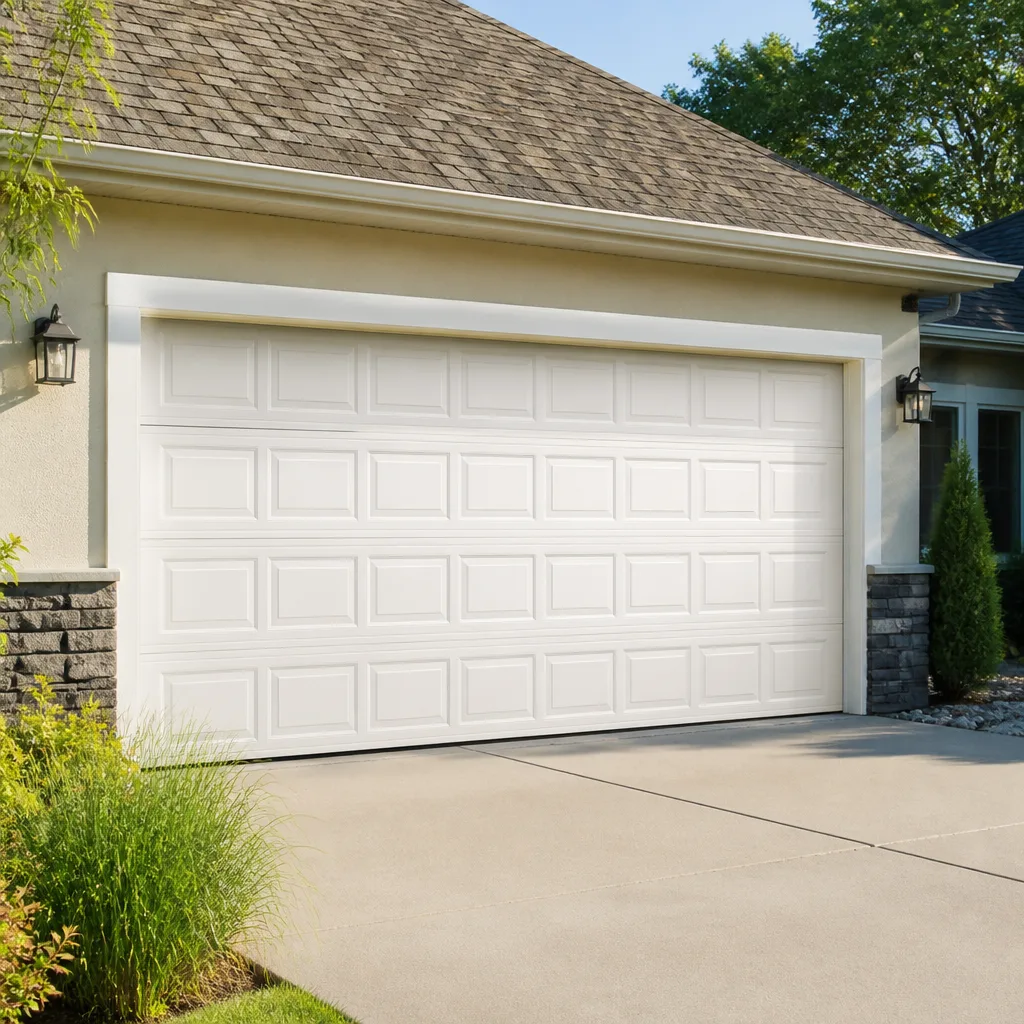 Raised-panel steel
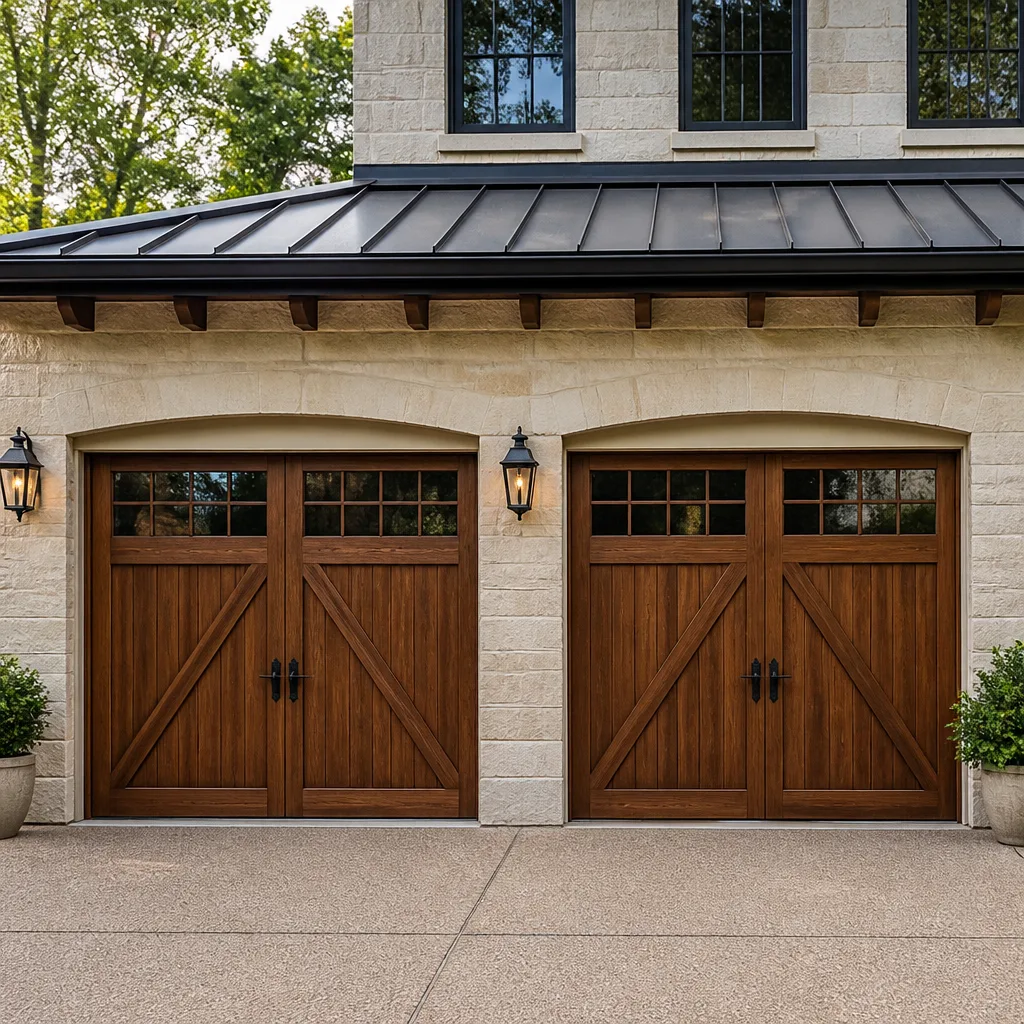 Carriage house
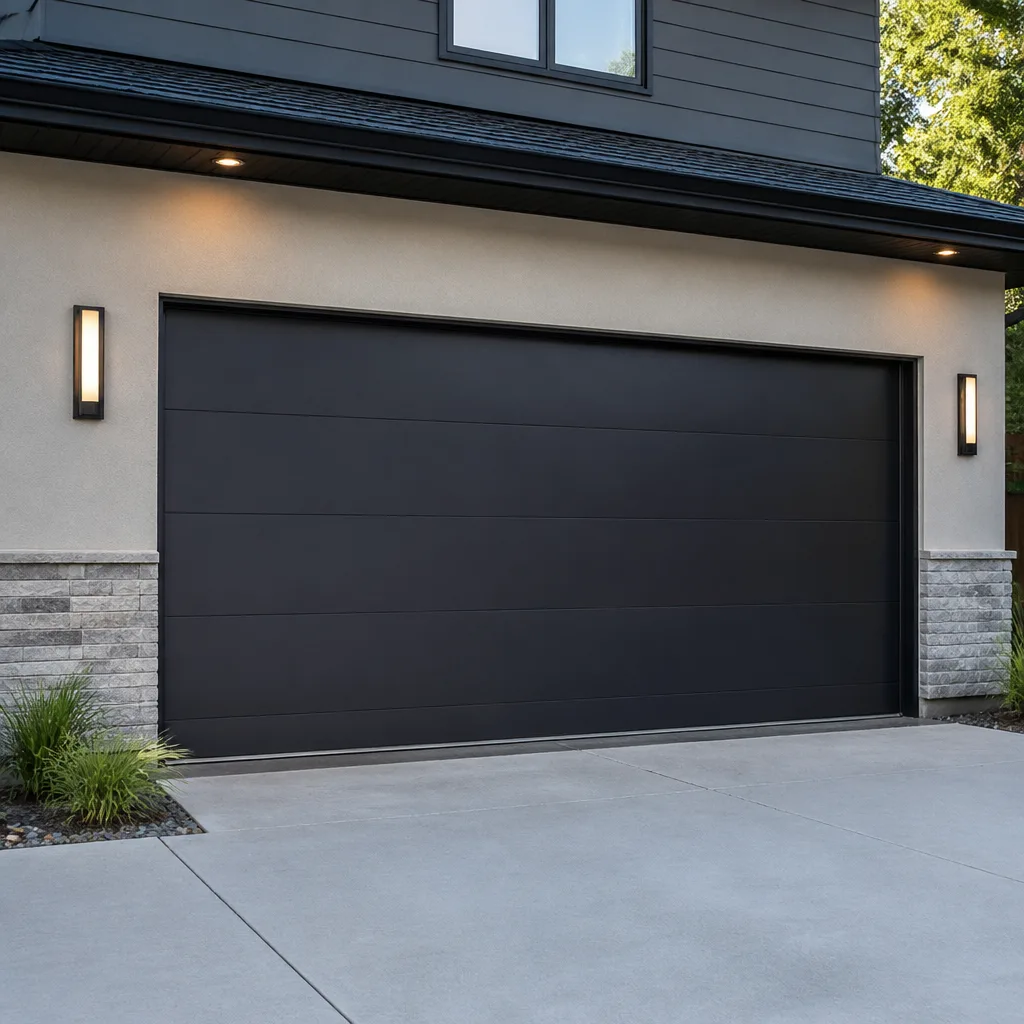 Modern flush
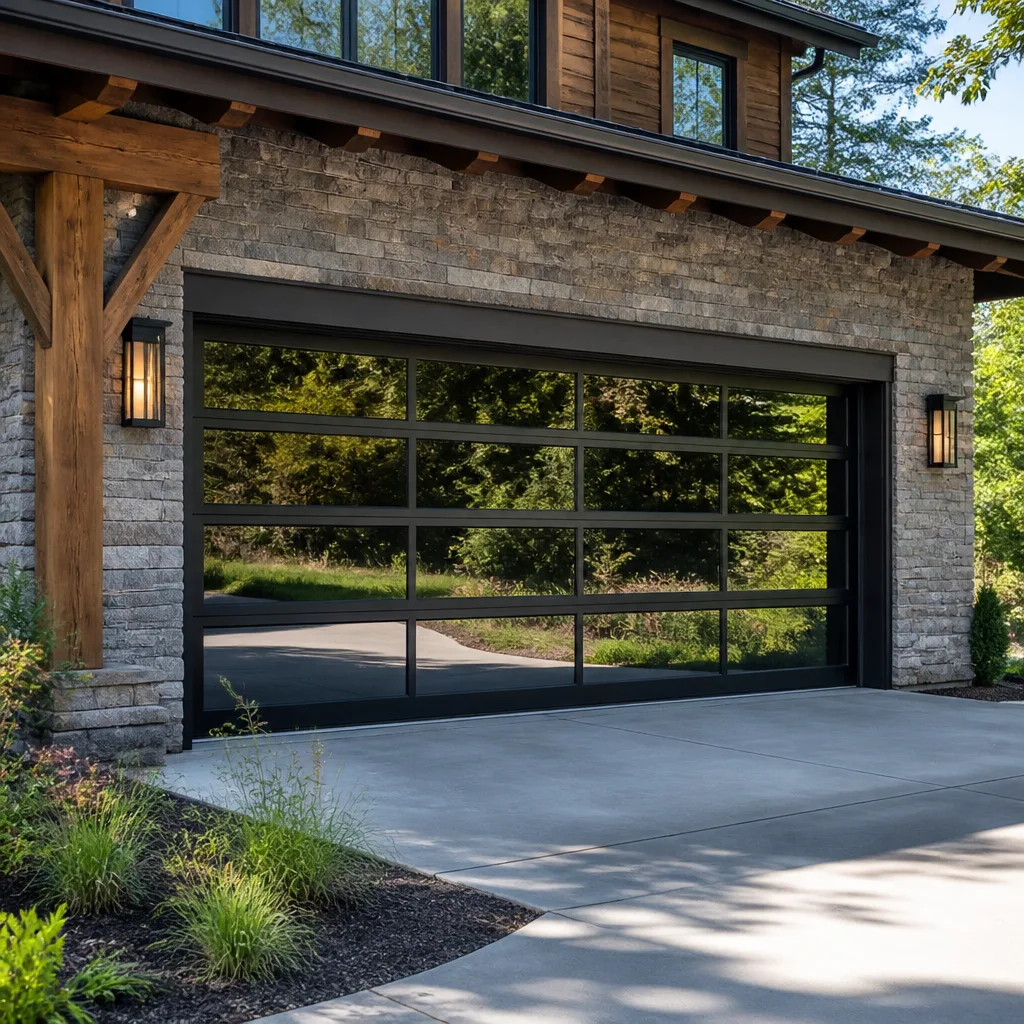 Full-view glass
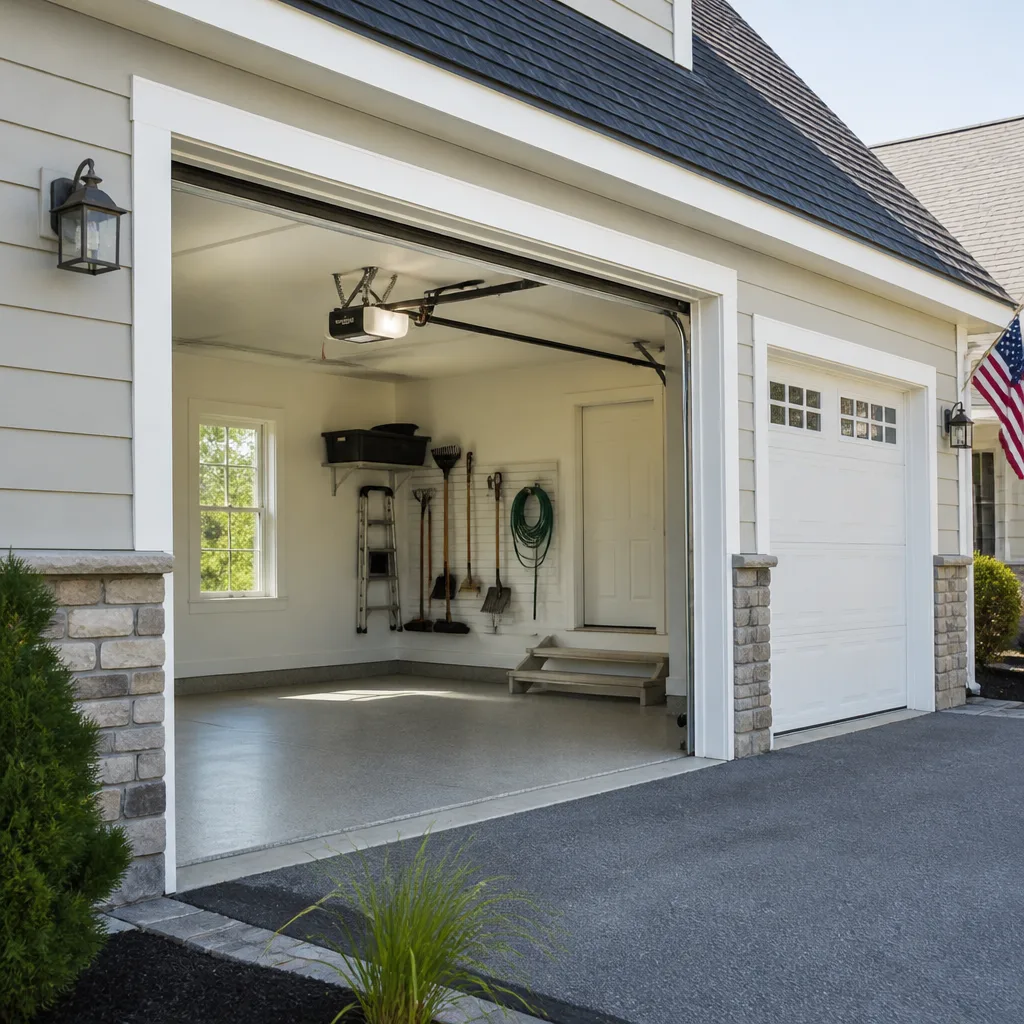 LiftMaster openers
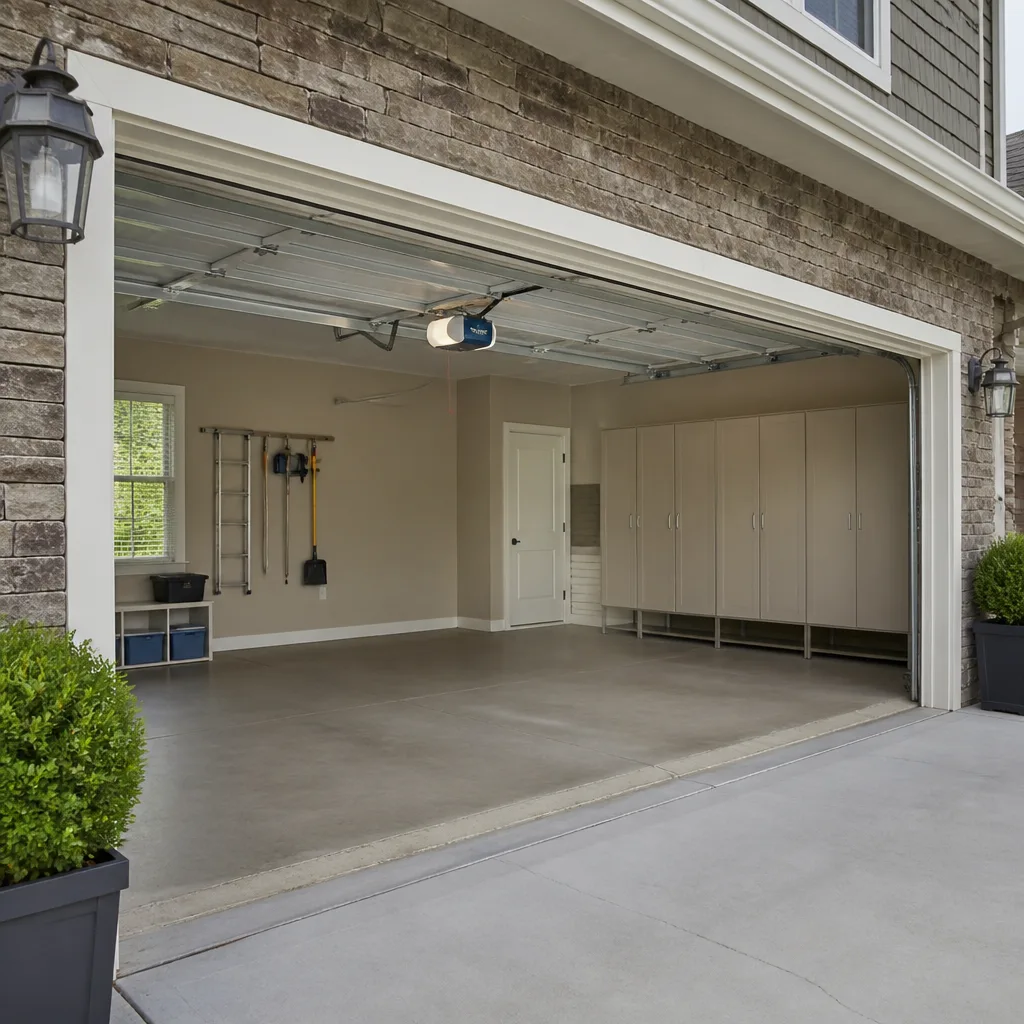 Chamberlain openers
Full 25-point door and opener safety check with every visit - springs, cables, rollers, tracks, and your LiftMaster or Chamberlain opener included
You get a price before we start. It does not change when the pro arrives.
Get your free estimateGarage Door Repair Troubleshooting in St. Louis: Common Problems and How to Fix Them
A garage door that “won’t close all the way” has at least six different root causes, and the fix for each one is completely different. Most homeowners in St. Louis chase the symptom – the grinding noise, the sluggish opener, the daylight visible under the bottom panel – and end up paying for the wrong repair because of it. That’s how a simple travel-limit adjustment becomes a new opener, or how a worn roller gets diagnosed as a failing motor.
This guide teaches component-first diagnosis instead. You’ll learn to read what your door is actually telling you, understand how St. Louis weather punishes specific parts harder than it does in drier climates, and know exactly when to stop touching the hardware and call someone. We work on what you already have, and most of what’s below is about helping you figure out what that is.
Quick Answer
Most garage door problems in St. Louis fall into one of five component failures: a broken torsion or extension spring, a frayed or off-track cable, a bent or misaligned track, a misaligned safety sensor, or a worn opener drive gear. Spring and cable problems are the most dangerous and the most commonly misdiagnosed – they cause the door to feel “heavy” or “stuck” when the opener itself is fine. Anything involving springs, cables, or the torsion assembly requires a trained technician; sensors, remotes, and track obstructions are safe for a homeowner to check. Landon Garage Door Repair offers free estimates in St. Louis – call (866) 942-7683.
Styles & brands we work with
- Raised-panel steel
- Carriage house
- Modern flush
- Full-view glass
- LiftMaster openers
- Chamberlain openers
Table of Contents
- Why Component-First Diagnosis Beats Symptom-Chasing
- The Symptom-to-Component Map: What Your Door Is Telling You
- How St. Louis Freeze-Thaw Cycles and Humidity Attack Specific Parts
- What You Can Safely Check Yourself (and What You Can’t)
- Multi-Brand Quirks: Why the Same Symptom Means Different Things
- What Garage Door Repair Costs in St. Louis
- The Decision Tree: If You See X and Y Together, It’s Almost Always Z
- When to Call a Professional
Why Component-First Diagnosis Beats Symptom-Chasing
Symptom-chasing is the natural human instinct. The door makes a grinding sound, so you look up “garage door grinding noise” and read that it’s the opener. You replace the opener. The grinding persists. Now you’ve spent money on a component that wasn’t failing, and the actual problem – a dry bearing, a worn roller, or a track the door is scraping against – is still there, getting worse.
A garage door is a mechanical system with five major subsystems working in sequence. When one fails, the others compensate, and the compensation is often what you notice first. The door slams down hard because the spring lost tension, not because the opener is broken. The opener strains because the door is out of balance, not because the motor is weak. Understanding which component is actually failing changes everything about the repair.
Here’s the operating logic to hold onto: the opener is a guide, not a lifter. A well-balanced door needs the opener only to start and stop it. If your opener is doing real lifting work, the spring system is failing. That single principle rules out a huge share of the confusion we see on garage door repair calls across the metro.
Component-first diagnosis means you identify the failing subsystem before you spend a dollar. It means asking “what’s carrying the load” before asking “what’s making the noise.” It’s a discipline, not a trick, and it’s the single biggest difference between a repair that holds and one you repeat six months later.
The Symptom-to-Component Map: What Your Door Is Telling You
Every symptom points to a component. The trick is knowing which one, because the same complaint can have completely different causes. Here’s how we map the most common St. Louis complaints to the parts that actually fail.
- Door won’t lift, or lifts a few inches and stops: Usually a broken torsion spring, a snapped extension spring, or a cable that’s come off its drum. The opener is typically fine. If you hear a loud bang from the garage and the door won’t open afterward, a spring has broken – stop and call.
- Door closes then reverses immediately: Safety sensor misalignment, obstruction, or a sensor lens fogged with humidity. This is the most common “refuses to close” cause in St. Louis and the cheapest to fix.
- Loud grinding or screeching: Worn nylon rollers, dry torsion bearings, or a bent track the door is scraping. Rarely the opener itself on a system older than a few years.
- Door is crooked – one side higher than the other: A snapped cable on one side, a broken spring in a two-spring pair, or a roller popped out of the track. Never run the opener on a crooked door.
- Opener runs but door doesn’t move: A stripped drive gear in the opener, a broken trolley, or a disconnected emergency release. On older Craftsman and Chamberlain units, a worn drive gear is the usual suspect.
- Door slams or drops fast on the way down: Spring tension is gone. The opener is trying to slow a free-falling door and can’t. Stop using it.
- Remote works sometimes, not always: Usually a battery, a dirty sensor, or interference – not the motor. Smart-home and Wi-Fi-enabled openers add their own quirks, which is why we treat opener work as its own service.
Notice that only one of these points at the opener as the primary failure. Most “garage door problems” are hardware problems, not opener problems. That distinction alone saves homeowners real money.
How St. Louis Freeze-Thaw Cycles and Humidity Attack Specific Parts
St. Louis sits in a climate that moves through real seasonal swings – humid summers, cold winters, and a spring and fall that can swing 40 degrees in a day. That cycle is brutal on a garage door in ways a dry climate simply isn’t. Understanding which components take the hit helps you catch failures earlier.
Springs. Steel springs under tension cycle every time the door opens and closes, and temperature swings accelerate metal fatigue. A spring that would last years in a stable climate can weaken faster here, and the cold snap of a St. Louis January is a common time for a tired spring to finally let go. If your door gets noticeably heavier in cold weather, that’s your spring telling you it’s on its way out.
Rollers and hinges. Summer humidity works into every roller and hinge. The nylon or steel rollers on the track pick up moisture, lubricant thins or gums, and the door starts sounding louder every year. A grinding door in a humid St. Louis August is often just dry rollers – a cheap fix if you catch it before it wears the track.
Cables. Freeze-thaw cycles cause expansion and contraction in the door panels and frame. That movement loosens cables over time and lets a cable slip a drum. A frayed cable is an emergency; a cable under tension that snaps can cause serious injury. Never try to re-seat a cable yourself.
Weather seal and bottom panel. High humidity and standing water at the threshold degrade rubber seals, letting in cold air and water. A gap under the door in St. Louis is often a worn seal, not a track problem – and replacing a seal is far cheaper than the water damage a bad seal causes through the winter.
Tracks. Frost heave and shifting soil can knock a track subtly out of alignment. The door, being rigid, then binds against it and the opener strains. A bent track is a mechanical problem that worsens with every cycle.
If you’ve noticed your door getting louder, heavier, or slower over a St. Louis winter or a humid summer, that’s your climate talking. Catching it in the fall before the freeze is far easier than fixing it in January.
What You Can Safely Check Yourself (and What You Can’t)
Some checks are safe for anyone. Others create real injury risk the moment a tool comes out. Knowing the line matters, because the parts that look most fixable are often the most dangerous.
Safe to check yourself:
- Visual inspection of the door panels for dents, cracks, or separation
- Testing the safety sensors by blocking the beam with a hand or a box and watching whether the door reverses
- Replacing remote batteries and re-syncing the remote
- Checking the photo-eye lens for dirt or cobwebs and wiping it clean
- Looking at the door balance with the door closed and the opener disengaged (pull the emergency release only when the door is fully closed, so it can’t drop)
- Cleaning and lightly lubricating the track, rollers, and hinges with a proper garage door lubricant
Do not touch yourself:
- Torsion springs, extension springs, or any spring under tension
- Cables, cable drums, or the torsion bar
- Adjusting the opener’s travel limits or force settings if you’re unsure what they do
- Re-seating a roller that has popped the track while the door is under load
- Any repair where the door is off-balance or one side is heavier than the other
Springs and cables are under extreme tension. They fail violently and without warning. There’s no partial safety here – the moment a tool touches a torsion spring, the risk becomes serious. If the door won’t open and you suspect a spring, don’t pull, don’t pry, and don’t try to “help” the door up. Call us and we’ll tell you how to proceed.
For a system that’s been sitting through a cold St. Louis winter or a humid summer, a fall inspection of the safe items on this list catches most problems before they become repairs.
Multi-Brand Quirks: Why the Same Symptom Means Different Things
Two openers can fail in identical ways and mean completely different things depending on the brand. This is the part most troubleshooting guides skip, and it’s the reason a generic “reset your opener” search often leaves homeowners more confused than when they started.
Take the classic case: the door reverses immediately on closing. On a Chamberlain or LiftMaster unit, that’s almost always the safety sensors – the logic board reads a blocked beam as an obstruction and reverses. On some older Genie models, the same behavior can trace to a worn limit switch or a force setting that drifted. Same symptom, different component, different repair.
Or the door that opens fine but won’t close at all. On a LiftMaster, the culprit is usually the sensor alignment or a damaged sensor wire. On a Craftsman, it’s frequently the wall-mounted control or the logic board’s internal relay. On a Raynor commercial-grade unit, it can be the operator’s internal reversing edge. A technician who knows the actual brand reads the behavior differently than one running a generic template.
This is why we get fluent in the specific system in front of us rather than the brand we’d prefer to sell. Working knowledge of eight of the industry’s most common brands – including LiftMaster, Chamberlain, Genie, Clopay, Amarr, Wayne Dalton, Craftsman, and Raynor – means we diagnose your system, not a generic one. It also means when a job crosses from the mechanical door into the electronics, you don’t need a second company.
Smart-home and Wi-Fi-enabled openers add another layer. A Chamberlain MyQ or a newer LiftMaster with app integration can produce “not responding” behavior that’s actually a Wi-Fi dropout or an app-side sync issue, not a hardware failure. That distinction is exactly why we run garage door opener repair as a dedicated service rather than a side note to door work.
If you don’t know your opener’s brand, look at the unit itself – the sticker on the back panel or the top of the motor housing usually tells you. Bring that to the call and you’ll get a faster, more accurate read.
What Garage Door Repair Costs in St. Louis
Pricing depends on the component, the door type, and whether the opener is involved. Below are typical ranges for St. Louis. These are estimates, not quotes – a free written estimate after we see the door sets the final price, and we quote before any work begins.
- Safety sensor realignment or replacement: $75-$150 per sensor
- Roller replacement (full set): $120-$220
- Track straightening or replacement: $150-$400
- Extension spring replacement (one spring): $120-$220
- Torsion spring replacement (one spring): $180-$340
- Cable replacement (one side): $130-$250
- Opener drive gear replacement: $150-$300
- Logic board replacement: $180-$350
- Full opener replacement (unit only): $350-$650
- Weather seal replacement: $100-$200
One note worth flagging: a torsion or extension spring range above is for one spring. Doors with a matched pair usually replace both springs together, so a pair costs roughly twice the per-spring figure. We always recommend replacing both when one fails on a matched pair, because the second spring has cycled the same number of times and is usually not far behind.
The written estimate is the price. If a technician finds something different once the door is open, we tell you before doing the work – the quote doesn’t move without your say-so. Fast dispatch from 7am to 7pm, Sunday through Friday. Call (866) 942-7683 for an exact quote; estimates are free.
The Decision Tree: If You See X and Y Together, It’s Almost Always Z
This is the section to bookmark. When two symptoms show up together, they narrow the diagnosis far more than either symptom alone. Here’s how we cut through it.
- Door won’t open + loud bang heard from the garage + door feels heavy when released: Broken torsion spring or extension spring. Stop using the opener. Call immediately.
- Door is crooked + one side of the door sags + grinding sound: Snapped cable on one side, or one spring in a matched pair has failed. Do not run the opener. This is a cable job, not an opener job.
- Door opens fine + won’t close + sensor light blinking: Safety sensor misalignment or obstruction, almost always. Check the sensors first – clean the lenses, check for a spider web or a bumped bracket, then test.
- Door reverses on closing + sensor lights are solid green: Usually the opener’s force or travel limit setting, or a worn drive gear. This is where brand matters – the same behavior on a Chamberlain and on a Genie points to different components.
- Opener runs + door doesn’t move + no grinding: Emergency release has been pulled, the trolley is disconnected, or the trolley is stripped. Re-engage the release first; if the door still won’t move with the opener, the trolley needs replacing.
- Opener hums + door doesn’t move + grinding from the motor: Stripped drive gear in the opener. On older Craftsman and Chamberlain units this is the classic failure point.
- Door slams down + opener seems fine otherwise: Spring tension is gone. The opener can’t slow a free-falling door. Stop using it before the door or opener is damaged.
- Door is loud but works fine: Worn rollers, dry rollers, or a loose hinge – rarely the opener. This is the cheapest, easiest fix on the list if you catch it early.
- Door works from the wall but not from the remote, or vice versa: Remote battery, remote programming, or a logic board issue. Test with a fresh battery first.
- Door works sometimes and not other times, no obvious pattern: On a smart-enabled opener, check Wi-Fi and app sync before assuming hardware. On an older unit, check the logic board and sensor wiring.
When in doubt, stop running the door. A struggling opener accelerates wear on every other component, and a door that’s operating off-balance is the most common way a $150 repair becomes a $600 one.
Common Mistakes to Avoid
- Replacing the opener when the springs are the problem. The opener is the most visible component and the easiest to blame, but if the door is heavy, the springs have failed. Replacing the opener fixes nothing and leaves you with a new motor straining an off-balance door.
- Running the opener on a crooked door. A door that’s riding unevenly means a cable or spring failure. Every cycle strains the track, the rollers, and the opener’s drive gear. It’s the fastest way to turn one repair into three.
- Trying to adjust a torsion spring yourself. Torsion springs are under extreme tension. The injury risk is real, and it’s why we won’t walk a homeowner through it over the phone, no matter how small the adjustment seems.
- Ignoring a grinding door until winter. In St. Louis, dry rollers and hinges get louder with humidity and then seize in the cold. A light lubrication in the fall prevents a lot of January service calls.
- Assuming all opener error codes mean the same thing. A flashing light sequence on a Chamberlain, a LiftMaster, a Genie, and a Raynor don’t mean the same thing. Look up the code for your specific model, or call and we’ll decode it.
- Skipping the safety sensor check because “it’s probably something else.” A huge share of “won’t close” calls are sensor misalignment, cleaning, or a bumped bracket. It’s a two-minute check with a zero-dollar fix a good percentage of the time.
- Letting a small weather seal leak go through a St. Louis winter. Water at the threshold rots the bottom panel, rusts the track, and lets cold air into the garage. A $100-$200 seal replacement is a lot cheaper than the panel repair a leaky seal creates.
See the difference
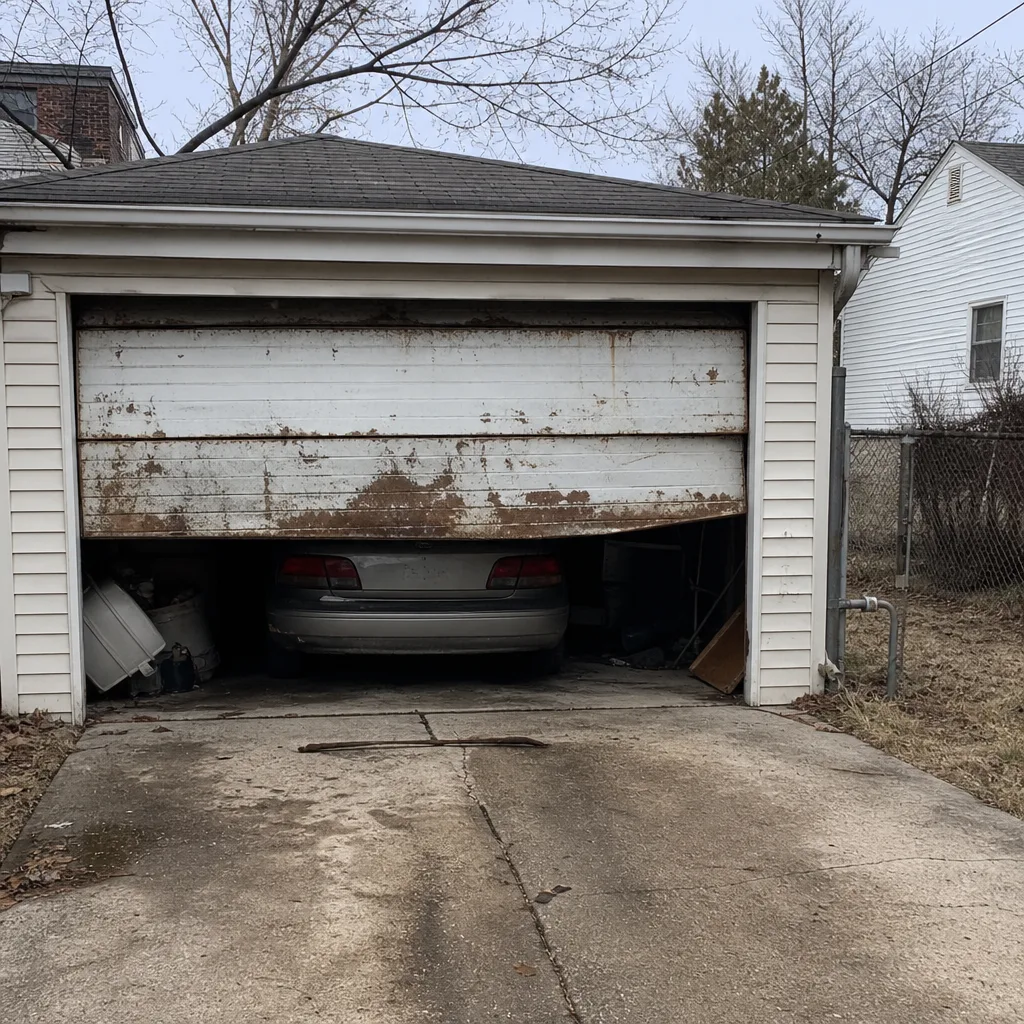 Before
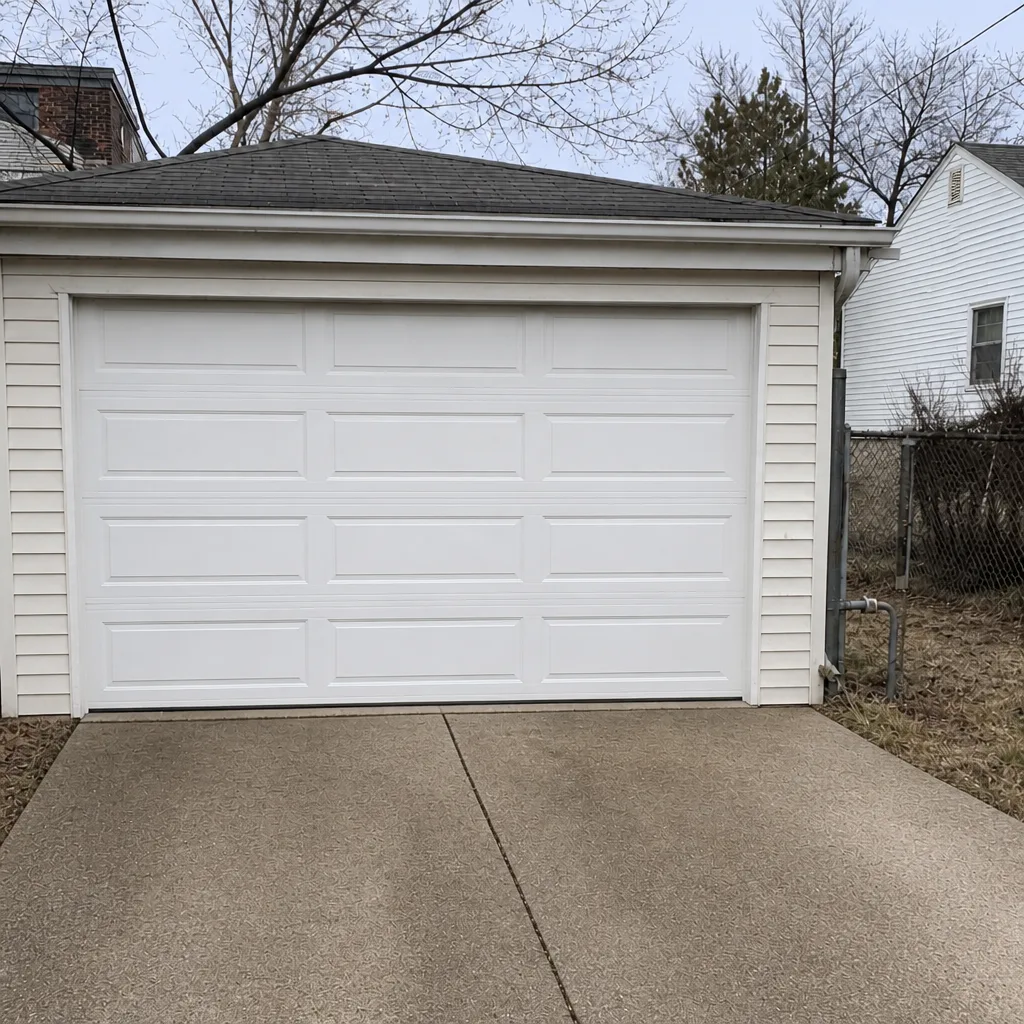 After
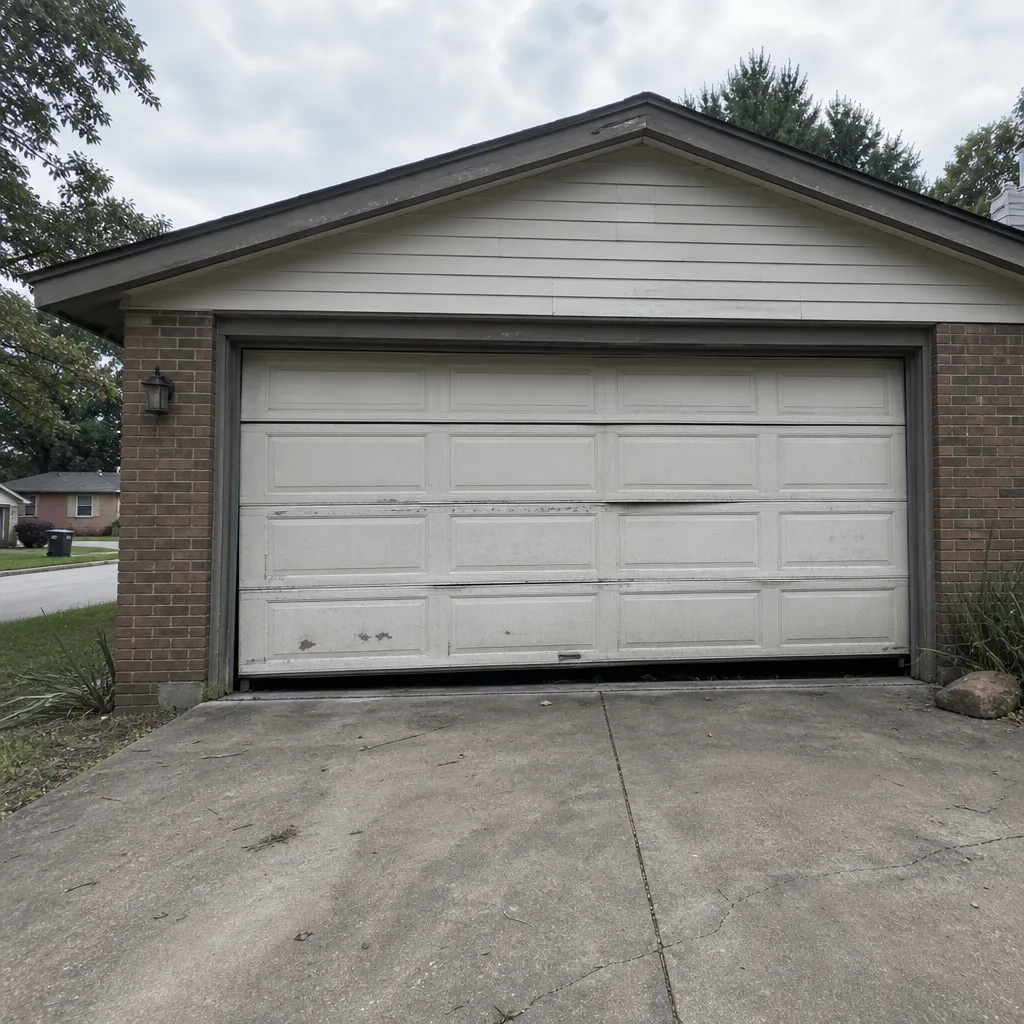 Before
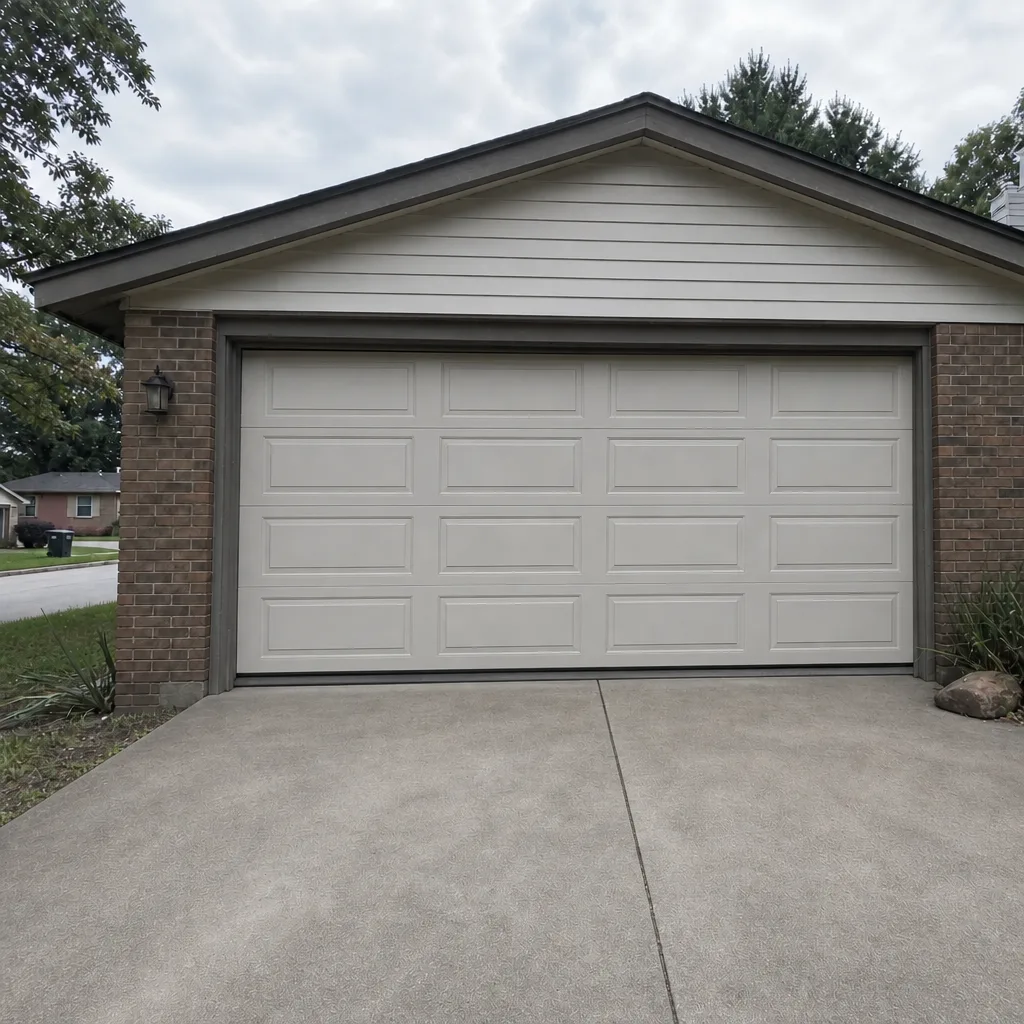 After
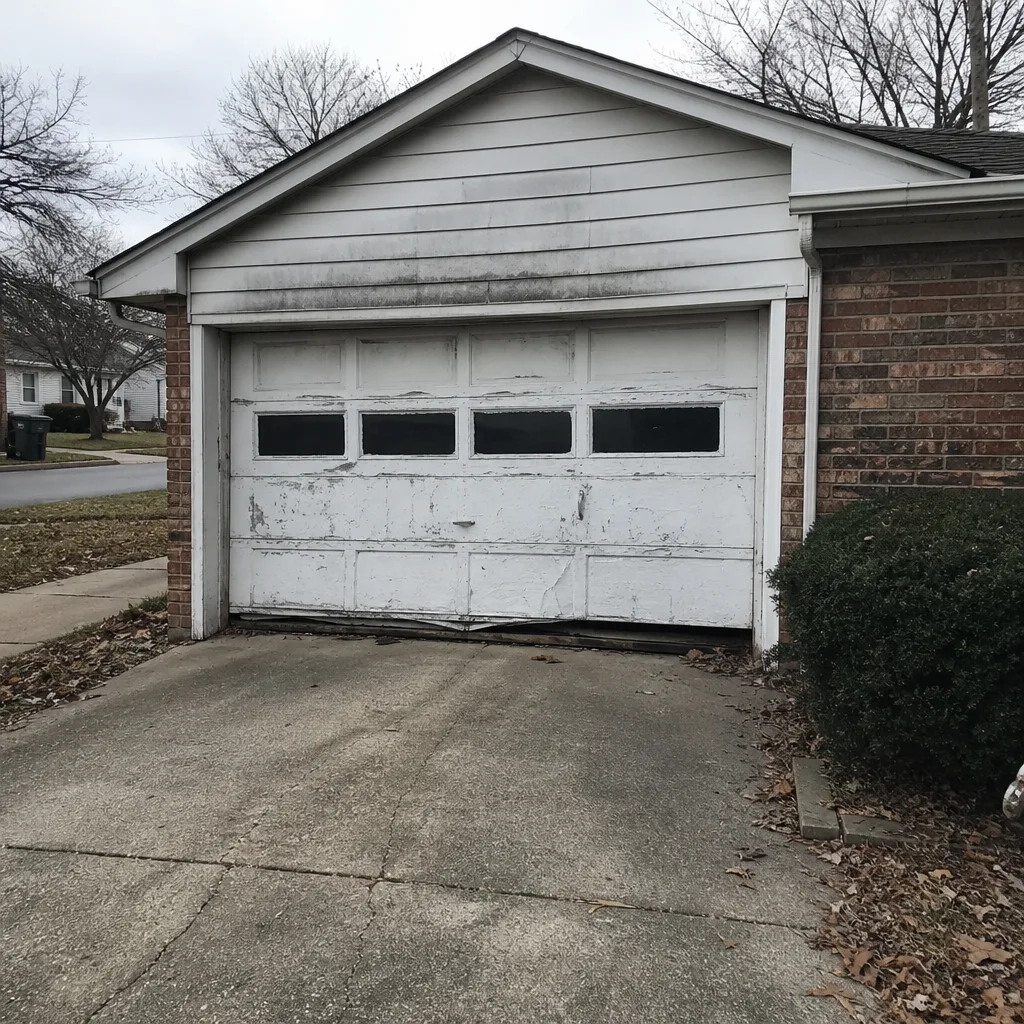 Before
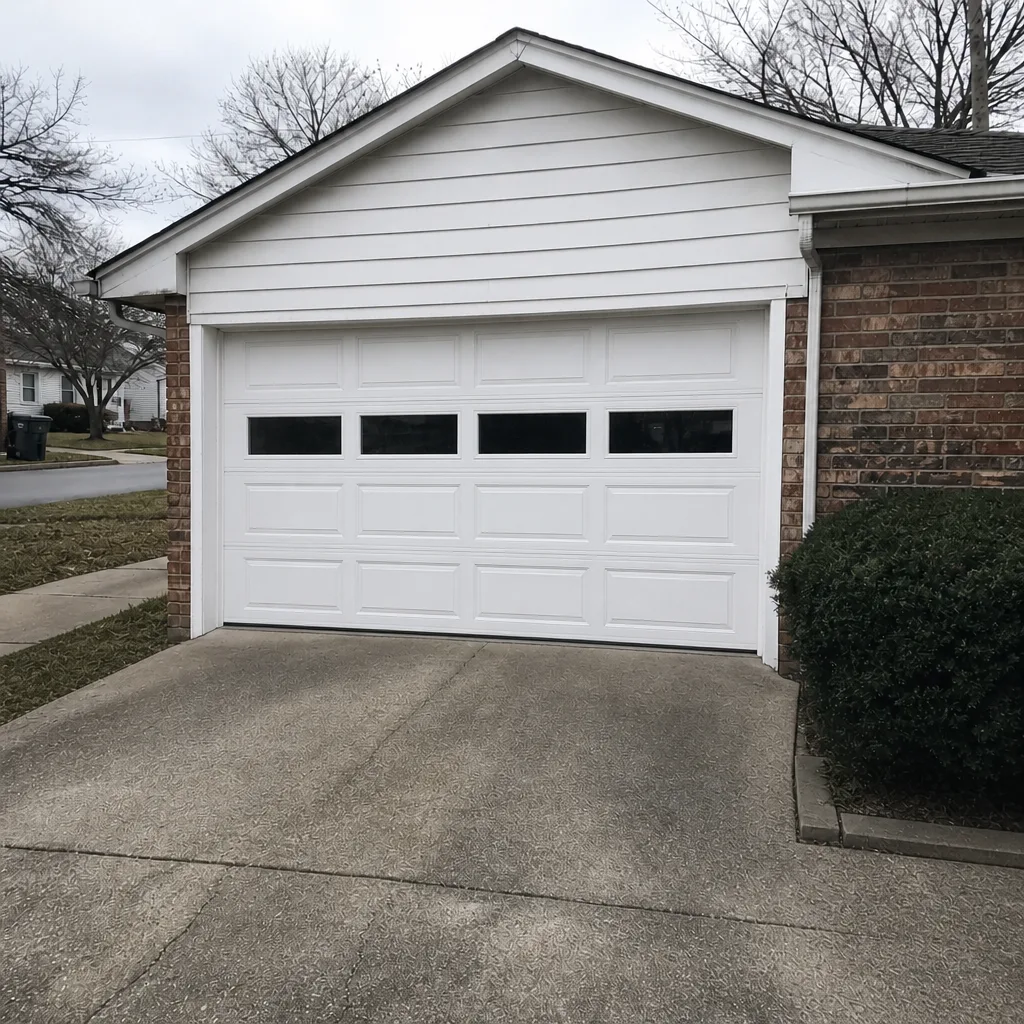 After
When to Call a Professional
Call a professional if the door won’t lift or is off-balance, if you hear a loud bang from the garage and the door won’t open afterward, if you see a frayed or hanging cable, if the door reverses inconsistently and the sensor check doesn’t resolve it, if a bent track is binding the door, or if your opener runs but the door doesn’t move and re-engaging the emergency release doesn’t help. Any of these point to a component under tension or a drive failure that needs the right tools and a trained hand. If the door is operational but noisy, slow, or leaking, that’s a routine service call and the best time to book it. Landon Garage Door Repair offers free estimates in St. Louis – call (866) 942-7683. Our technicians have up to 14 years of experience and work on the full system, door and opener together.
Frequently Asked Questions
Most garage door repairs in St. Louis run between $75 and $400 depending on the component. Safety sensor fixes and roller replacements sit at the low end; track replacement, cable work, and opener drive gear failures sit higher. A torsion spring replacement on a single spring is typically $180-$340, and a matched pair is roughly twice that. The written estimate sets the final price, and we quote before any work starts. Call (866) 942-7683 for an exact quote; estimates are free.
No. Torsion and extension springs are under extreme tension and can release violently with no warning. This is the single most dangerous repair on a garage door, and it’s the one we never suggest a homeowner attempt. If you suspect a broken spring – a loud bang, a door that suddenly won’t lift, or a door that feels heavy when disengaged – stop using the door and call (866) 942-7683.
The most common cause is a misaligned or blocked safety sensor. Clean the sensor lenses, check that both photo-eyes are facing each other, and look for anything blocking the beam – a cobweb, a box, a bumped bracket. If the sensors are clean and aligned and the door still reverses, the cause moves to the opener’s travel or force settings, and brand matters here. Call (866) 942-7683 and we’ll walk you through it.
St. Louis freeze-thaw cycles are hard on springs, cables, and tracks specifically. Cold temperatures make steel springs more brittle and hasten fatigue, while the constant expansion and contraction of the door frame loosens cables over time. A door that gets noticeably heavier or louder in cold weather is showing you which component is failing. A fall check before the first freeze usually catches it cheaply.
No. We quote before any work starts, and the written estimate is the price. If a technician finds a different problem once the door is open, we tell you and get your approval before doing anything – the quote doesn’t move without your say-so. Call (866) 942-7683 and we’ll get you a free, no-pressure estimate.
Usually, yes. We treat the mechanical door – panels, springs, tracks, cables – and the opener as two sides of the same system, which is why we handle both. A job that crosses from hardware into electronics stays with one company instead of splitting into two visits. Fast dispatch from 7am to 7pm, Sunday through Friday. Call (866) 942-7683.
The Bottom Line
Most garage door problems in St. Louis get misdiagnosed because homeowners chase the symptom instead of the failing component. A door that won’t close usually has a sensor or track issue, not an opener issue. A door that won’t lift almost always has a spring or cable failure, and no opener replacement will fix it. Learn the symptom-to-component map, respect the line between safe checks and dangerous ones, and use the decision tree before you spend money. If you’re unsure, call – a free estimate from St. Louis is faster and cheaper than a repair you’ll repeat. We work on what you already have, from a broken spring to a full new door.
Ready to get it fixed? Call (866) 942-7683 for a free estimate. We answer 24/7. Fast dispatch from 7am to 7pm, Sunday through Friday. Landon Garage Door Repair handles garage door repair, garage door opener repair, and new installation across the St. Louis area, and our technicians have up to 14 years of experience with the systems you already own.
Written by the team at Landon Garage Door Repair.