
Last updated November 16, 2026
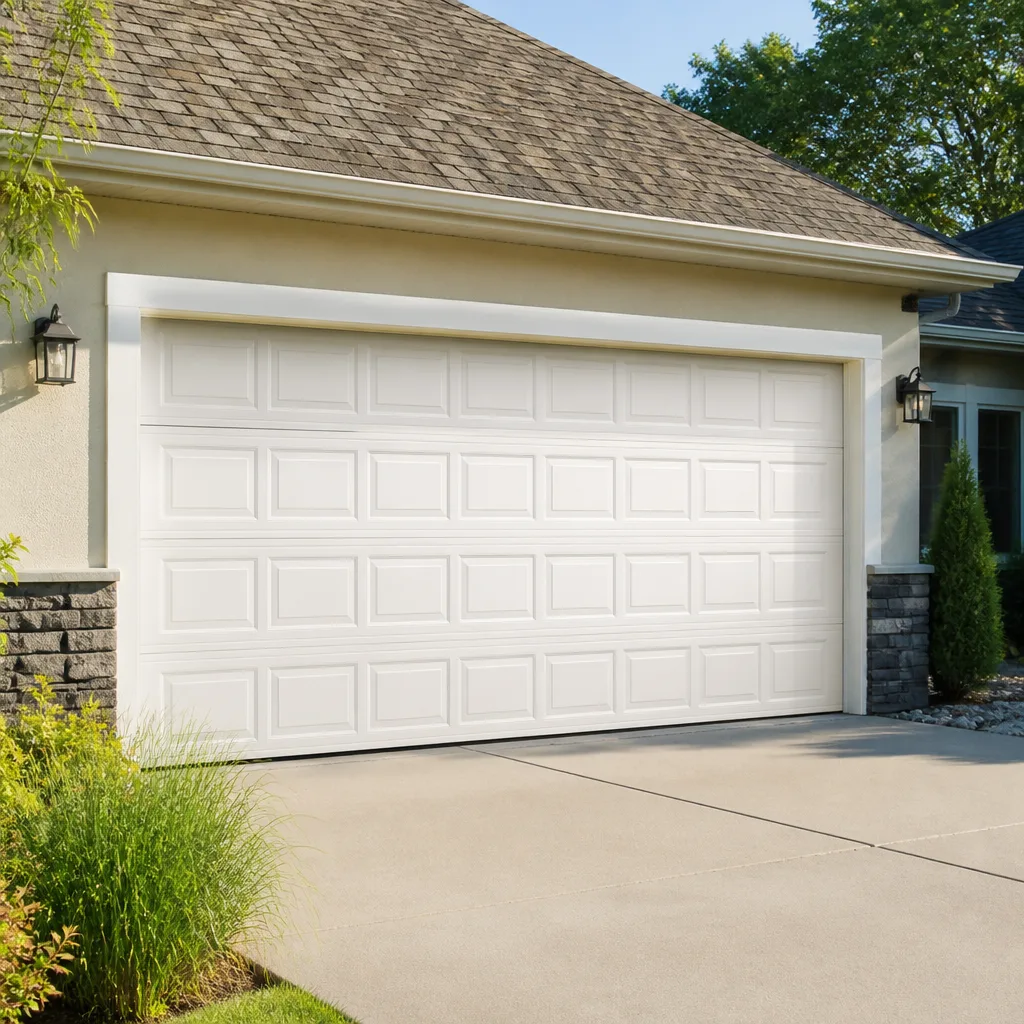 Raised-panel steel
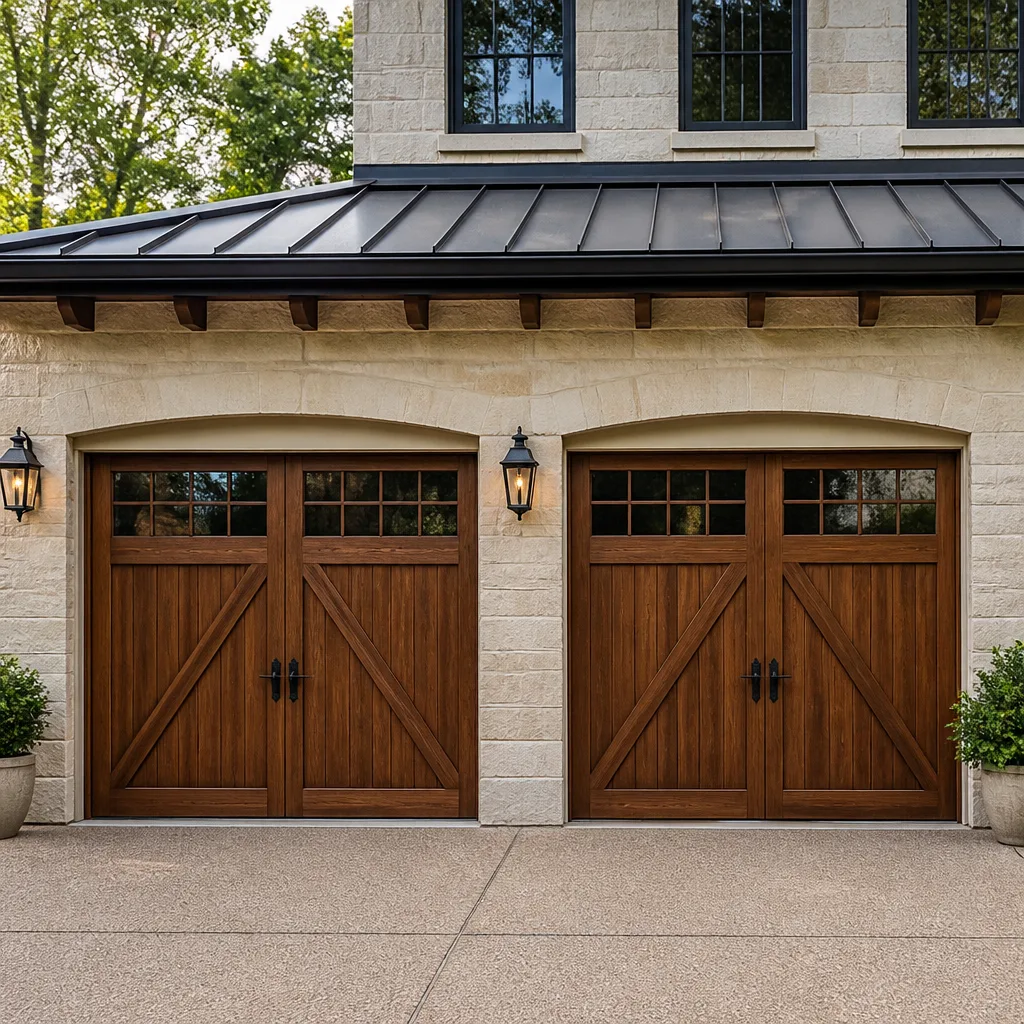 Carriage house
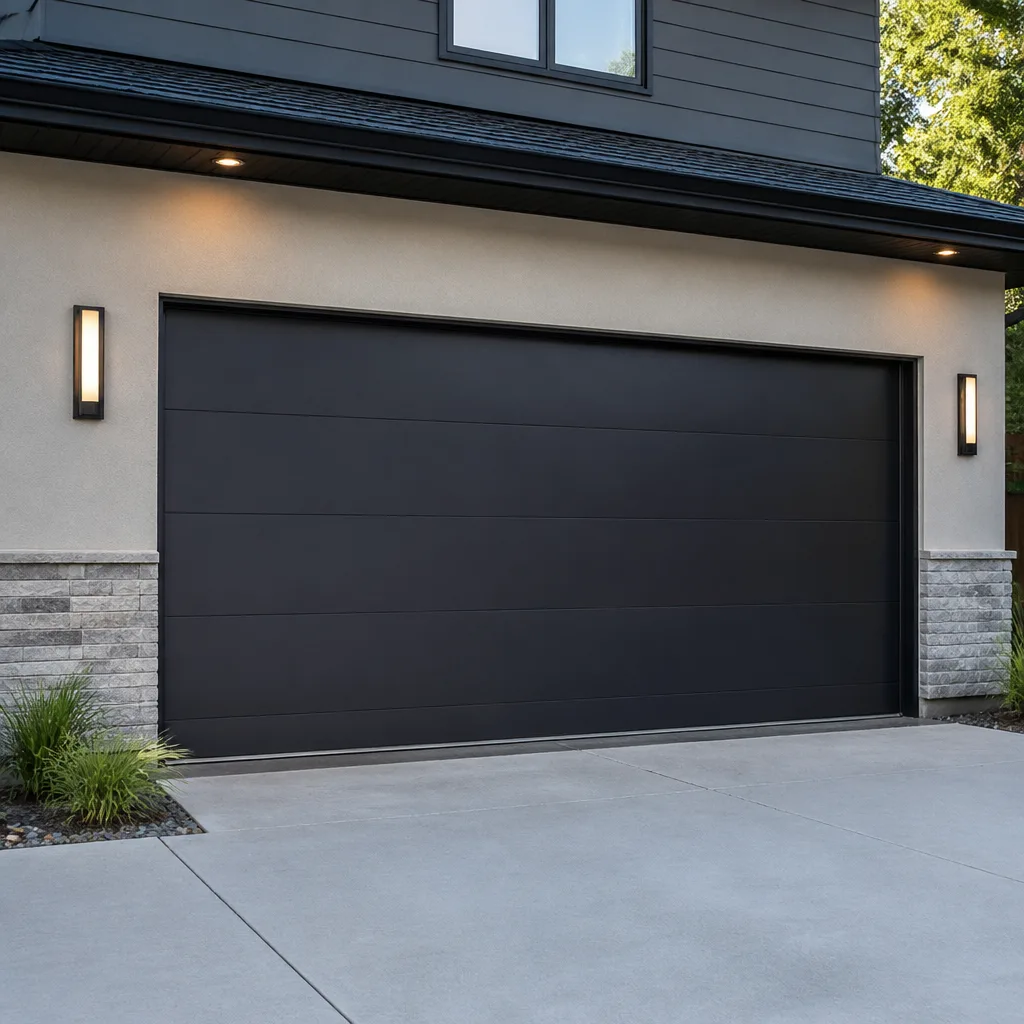 Modern flush
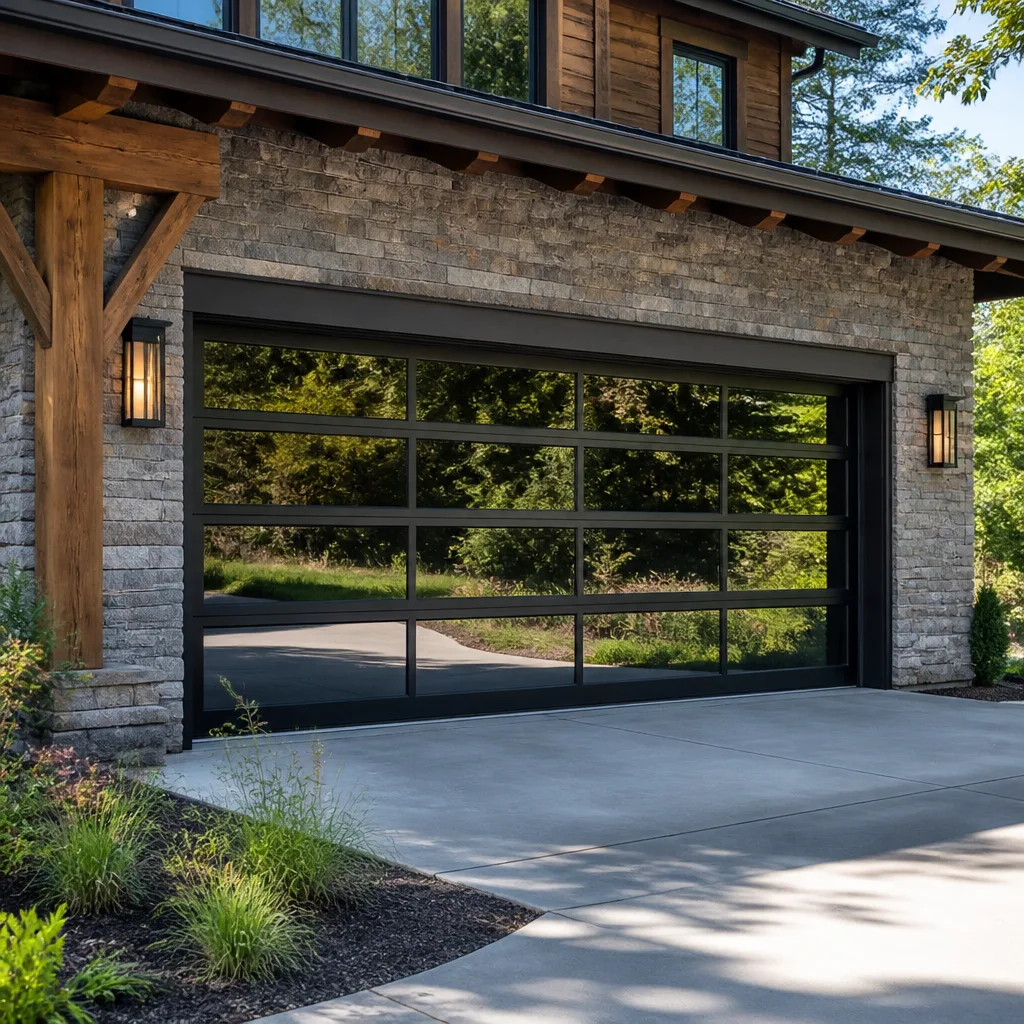 Full-view glass
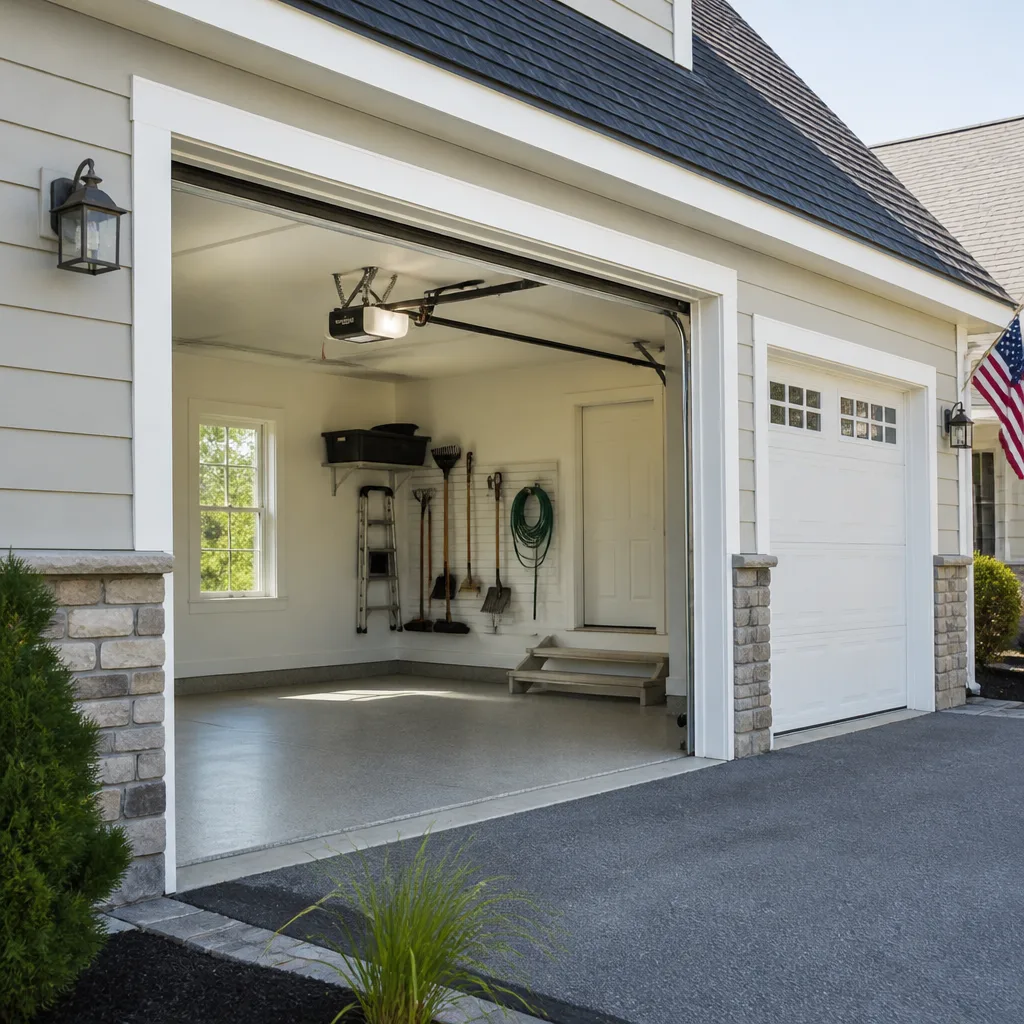 LiftMaster openers
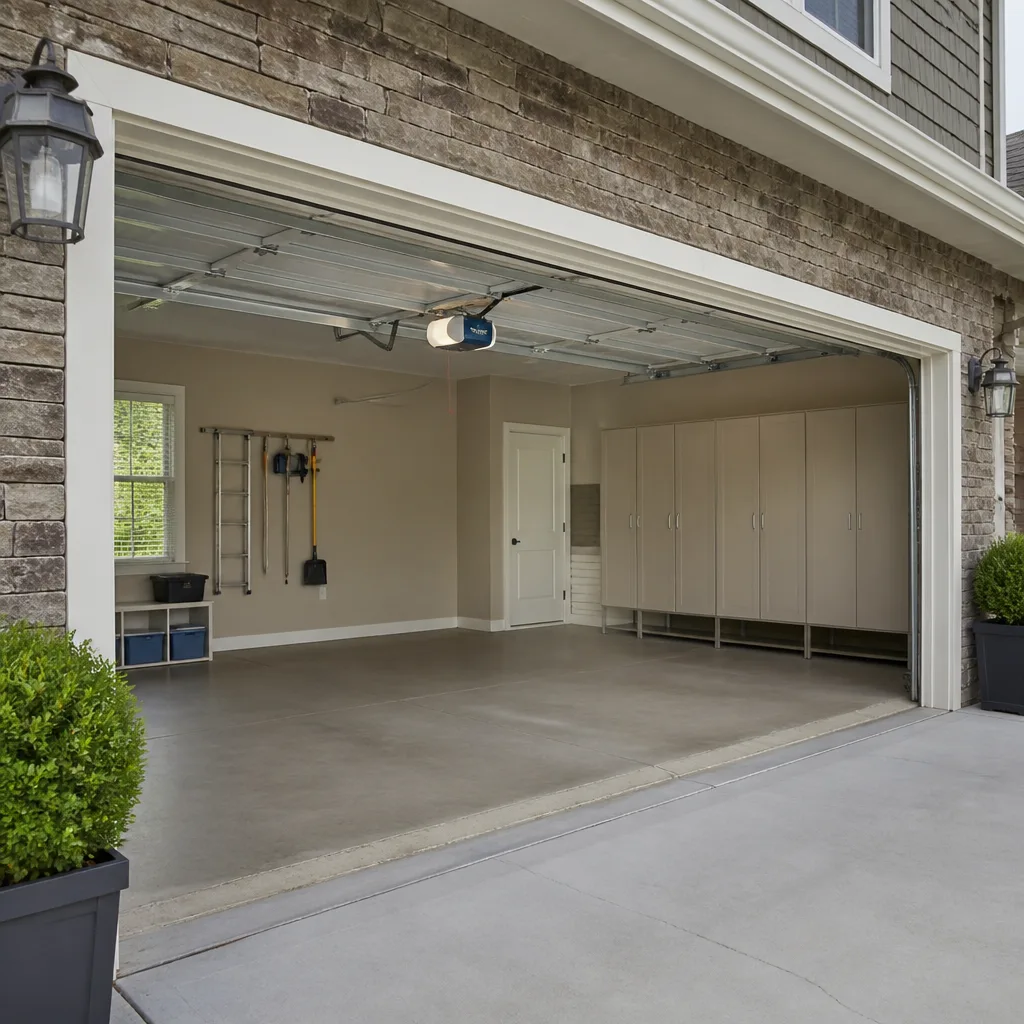 Chamberlain openers
Full 25-point door and opener safety check with every visit - springs, cables, rollers, tracks, and your LiftMaster or Chamberlain opener included
You get a price before we start. It does not change when the pro arrives.
Get your free estimateGarage Door Warning Signs: A St. Louis Homeowner’s Reference Guide
The grinding noise your door made last Tuesday is not the problem. It’s the report of a problem that started three months ago. By the time you hear it, a cable has usually been fraying against a worn drum groove for weeks, and a roller has been flat-spotting against the track since sometime in the previous season. Most warning-sign guides walk you through what failure looks like. This one walks you through what failure sounds and feels like, because the auditory and tactile cues arrive well before the visual ones, and in St. Louis they almost always get ignored until something drops.
What follows is a reference guide you can come back to: a sound-based diagnostic index, a visual asymmetry test, a way to notice an opener laboring without looking at anything, the cold-weather signs that get dismissed as “just the weather,” and the single most useful distinction on this whole page – which warnings give you weeks and which give you hours. Keep it somewhere you can find it.
Quick Answer
The most reliable garage door warning signs in St. Louis are a new grinding, popping, slapping, or squealing sound; a door that looks uneven at the top or bottom when closed; an opener that seems to work harder or slower than it used to; and visible fraying on the cables or a gap in the spring coils. Grinding and popping usually mean worn rollers, dry hinges, or a tired bearing – you have weeks. A popping spring, a visibly frayed cable, or a door that slams down gives you hours. Treat the second group as an emergency and stop operating the door.
Styles & brands we work with
- Raised-panel steel
- Carriage house
- Modern flush
- Full-view glass
- LiftMaster openers
- Chamberlain openers
Table of Contents
- The Sound-Based Diagnostic Index: What Each Noise Means
- The Visual Asymmetry Test: Spotting Uneven Cable Tension
- Response-Time Degradation: When Your Opener Is Working Harder
- Cold-Weather Warning Signs St. Louis Homeowners Dismiss
- Weeks vs. Hours: How to Tell Which Warning You Have
- Why the Brand on Your Door Matters for Diagnosis
- The Seasonal Check That Catches Most Failures Early
- What You Should Never Try to Fix Yourself
The Sound-Based Diagnostic Index: What Each Noise Means
Your door is one of the few things in your house that talks to you before it breaks. In our experience, the sound almost always precedes the visible symptom – sometimes by months. Learn to translate it and you’ll catch most failures while they’re still a repair, not a replacement. Here’s how the noises map to the mechanical cause.
- Grinding, steady and metallic, through the whole travel: usually worn rollers, a dry hinge, or a bearing starting to seize. The grinding is metal on metal because the lubricant is gone or the roller has flat-spotted. This one usually gives you weeks.
- Popping, once or twice per cycle, often near the top of the travel: most often a torsion spring that has started to bind, or a cable jumping against a drum. This is the sound that deserves your attention right away. It can go from popping to a snap in a short window.
- Slapping or banging, rhythmic, at the panels: a loose hinge, a roller that has jumped the track, or a panel flexing under load. Slapping usually worsens with a bowed panel and it’s the noise that most often accompanies a door that’s about to come off its track.
- Squealing, high-pitched and constant: dry rollers or a dry torsion tube. Usually benign, almost always fixable with proper lubrication at the right points – but it’s also the noise most St. Louis homeowners ignore until the roller seizes completely.
- Rattling that gets worse over weeks: loose fasteners on the hinges, brackets, or track. Ignored long enough, the vibration damages the holes the fasteners sit in, and the fix moves from tightening to repairing the mounting.
- A single loud crack, then the door won’t lift: spring failure. Stop operating the door and call for garage door repair rather than standing under it.
One note that saves a lot of confusion. If you hear a noise only when the door is cold, and it goes away once the door has run a few cycles, that’s not the noise going away – it’s the noise being masked by a thin film of new lubricant moving over the dry spot. The underlying wear is still there.
The Visual Asymmetry Test: Spotting Uneven Cable Tension
Uneven cable tension is the most common early failure we see, and it’s invisible if you only look at the door from the front. Here’s the test – it takes under a minute and you can do it from your driveway with the door down.
- Stand back and look at the top of the closed door against the header. The gap should be even across the whole width. A gap that’s wider on one side than the other is a tension problem showing up at the top edge.
- Look at the bottom seal against the floor. If one corner touches and the other has visible light underneath, the door is out of balance. That’s usually a cable on one side carrying more load than the other.
- With the door fully closed and disconnected from the opener, look down each side of the door at the cables. The two cables should look mirrored. They should not cross each other, and neither should be kinked, kinked, or visibly frayed near the drum.
- Look at the coil spacing inside each torsion spring. The gaps between coils should be uniform along the length of the spring. A spring that’s starting to fatigue often shows up as a widening gap in the middle.
- Look at the roller brackets. All four should sit at the same distance from the wall. Any roller bracket that has drifted out of line is loading the cable on that side unevenly.
The bottom line on this test: if you see an asymmetry, stop opening the door until someone qualified looks at it. An out-of-tension door is the leading cause of dropped doors in St. Louis, and it’s the failure that comes with the least warning once it starts moving.
Response-Time Degradation: When Your Opener Is Working Harder
You don’t need a diagnostic tool to spot an opener under strain. You need to notice what changed. Your garage door opener repair needs usually announce themselves through the following patterns, and they’re best caught by comparing this month to last year, not this week to last week.
- The door moves a half-second slower than you remember. That’s often the opener’s motor compensating for extra drag from the door. Common culprits: a dry roller, a slack chain, or a torsion spring that’s lost preload.
- The opener pauses or stutters at the same spot each cycle. That’s a binding point – usually a roller that’s worn square, or a track that’s out of alignment in one spot.
- The motor sounds louder than it used to. Same cause. The opener is pulling harder than it was designed to, and the motor is the thing converting that to noise.
- The remote needs to be closer than it used to. Often a tired opener logic board or a battery at the end of its life. If you’ve got a LiftMaster or a Chamberlain with Wi-Fi and the app is slow to respond, that’s usually a similar signal.
- The opener reverses or stops on its own. That’s a safety sensor or a force limit tripping, and it means the opener has detected resistance on the door. It’s telling you something.
If two or more of these are true, the door hardware is probably loading the opener – or the opener is failing on its own – and it’s time to get it looked at before it decides for you. In a St. Louis summer, an opener working harder than it should in a garage that’s already running hot is a recipe for a mid-cycle failure on a Sunday morning with the car inside.
Cold-Weather Warning Signs St. Louis Homeowners Dismiss
A St. Louis winter is a specific stress test for a garage door system. Metal contracts. Lubricant thickens. Rubber seals stiffen. And a lot of the symptoms that come with the first cold snap get written off as “just the weather” – which they are, up to a point. The problem is that the underlying failure is real, and it doesn’t go away when the weather warms.
- A sluggish first open in the morning. It usually is just thicker lubricant – on the first or second cold morning of the season. If it’s sluggish on the tenth cold morning of the season, in February, after the door has run every day, that’s a spring that’s lost preload or a roller that’s seized. Not the weather.
- A crack or a pop you only hear in the cold. Often a fatigued spring that’s only letting go under load. The cold makes it fail faster, but the spring was already weak. This one gives you hours, not weeks.
- A door that catches at the bottom when it closes. The bottom seal stiffening in the cold and getting caught on the threshold. That’s benign on its own, but it puts extra load on the cable and the opener. Worth a look.
- Frost on the inside of the door panels. Almost always a panel that’s lost its weather seal – not a problem in itself, but the freeze/thaw cycle on a panel with a compromised seal can delaminate the panel from the inside. In St. Louis, panels that get a crack at the seam tend to be the ones that fail in March.
- Snow or ice tracked in from the car melting into the tracks. The tracks are not joints, and water freezing in them isn’t the same as water freezing in your driveway. If the door runs rough for a week after a freeze, get the tracks checked.
The pattern to internalize: a cold-weather symptom that’s mild and gone in a day is usually the weather. A cold-weather symptom that persists past the cold snap is the clue. St. Louis weather is a stress test, not the cause of failure.
Weeks vs. Hours: How to Tell Which Warning You Have
This is the most useful distinction on this page, so we’ll put it plainly. Most warning signs give you weeks. A few give you hours. Knowing which bucket you’re in changes what you do next.
Warning signs that usually give you weeks
- A new grinding or squealing sound that shows up consistently on every cycle, but the door still cycles fully
- A slight unevenness at the top or bottom of the closed door
- An opener that’s running slower or louder than it used to
- A loose hinge, bracket, or track with play you can feel by hand
- Visible roller wear – flat-spotted, chunked, or misaligned in the track
These are still worth acting on. A worn roller is a cheap fix; a seized roller that takes a cable with it isn’t. But you’re not in danger this morning. Book it.
Warning signs that give you hours
- A popping, snapping, or cracking sound from the torsion bar area, followed by a door that won’t open – usually a broken spring
- A visible fray, kink, or break in either cable – the door is partially unsupported
- A door that has dropped, hung crooked, or come off one track – do not run the opener
- The door reversing on the way down, or falling the last few inches – safety system failing, or the counterbalance has lost hold
- A loud bang, then a door that hangs heavy at the bottom – one of the springs has let go
For anything in the second bucket, stop using the door and stop using the opener. They work together, and forcing either one after a cable or spring failure is how people get hurt. Call us at Landon Garage Door Repair and we’ll talk you through what to do next while you wait.
Why the Brand on Your Door Matters for Diagnosis
You don’t need to be brand-loyal to be brand-aware. We service eight of the most widely installed residential brands – LiftMaster, Chamberlain, Genie, Clopay, Amarr, Wayne Dalton, Craftsman, and Raynor – and we mention that not to steer you, but because a Wayne Dalton torsion system, a Raynor cable arrangement, and a Clopay panel failure each have their own characteristic warning signs. The noise and the panel are brand-specific. A diagnosis that doesn’t account for that is a guess.
If your opener is a LiftMaster or a Chamberlain, the electronic side of the diagnosis works differently than it would on a Genie or a Craftsman. The safety reverse settings, the force limits, and the way the opener reports strain all differ. If your door is a Wayne Dalton and the spring gives you trouble in the cold, a technician who knows that brand’s door series will know which springs and drums tend to wear first. If it’s a Raynor, the torsion balance behaves differently and the door’s weight curve is different – which matters when we’re deciding whether to repair or replace.
That’s the reasoning behind our brand-agnostic model. We’re not here to move you onto one manufacturer. You already own the door. Our job is to read the equipment in front of us and tell you the right fix, not the most expensive one. Door and opener, handled together, by the same specialist, under one name – so you’re not caught between two companies pointing at each other.
The Seasonal Check That Catches Most Failures Early
Most of the failures we get called for in St. Louis are visible at least a month ahead of time if you know what to check. A ten-minute seasonal walkthrough, done twice a year, catches the vast majority.
- Open the door and stop it mid-travel. Look at both cables running down the sides. No frays, no kinks, and both should look the same length and tension.
- Look at the coil spacing inside both torsion springs. Uniform gaps, no cracks across the coil, no visible gap where the spring meets the drum.
- Lubricate the rollers, hinges, and the torsion tube with a proper garage door lubricant. White lithium grease or a silicone spray on the hinges and rollers. Never on the tracks themselves – the tracks are meant to be dry.
- Run the door and listen. Compare the sound to the previous season. A new grinding or popping sound is a repair appointment, not a curiosity.
- Test the safety reverse. Put a piece of wood or a full roll of paper towels under the door’s travel, close it, and confirm the door reverses on contact. If it doesn’t, the safety system needs attention right now.
- Look at the bottom seal and the top seal for cracking. Sun and freeze/thaw both do a number on the rubber in St. Louis. A seal that’s gone brittle is cheap to replace and stops cold air and water from getting behind the panel.
Do the walkthrough in the fall, before the first hard freeze, and again in the spring after the last one. The two failures that most often slip past a homeowner in this city – a fatigued spring and a cable with an early fray – are both visible if you look. Neither one is visible if you don’t.
What You Should Never Try to Fix Yourself
This next part matters more than anything else on the page. A garage door is the largest moving object in most homes, and the mechanism that counterbalances it stores an enormous amount of energy. Torsion springs and the cables that run to the drums are the components that hurt people, and they hurt them badly enough that no DIY shortcut is worth the risk.
The safe answer to “can I fix this myself” is almost always no. Don’t attempt to adjust, remove, or release a torsion spring. Don’t try to re-seat a cable on a drum. Don’t reach into the torsion tube area to look at anything while the door is up. Don’t operate the door after a spring has snapped or a cable has visibly failed, and don’t ask someone who isn’t trained to do any of those things for you either. Call a professional who works on garage doors every day and carries the tools and the insurance for it. The door can wait a day. The injury can’t be undone.
If you want to know whether a symptom is in the safe-to-observe category or the stop-touching category, that’s a fine reason to call us. We’d rather talk you out of a repair than have you take a chance with a wound-up torsion spring. Free estimates, upfront pricing, and a written price before any work starts. Our technicians have up to 14 years of experience, and we’ve seen what a spring failure looks like up close. We’d prefer you didn’t.
Common Mistakes to Avoid
- Waiting for a visual sign before calling. The sound usually arrives weeks before the visible damage. If the door is grinding, popping, or slapping, the failure is already in progress. Waiting until you can see the problem almost always means a more expensive repair.
- Spraying the tracks with lubricant. The tracks are meant to run dry. Rollers roll along them, and grease on the track collects grit from the St. Louis air and the road salt tracked in from the car. That grit wears the rollers faster than if you’d left it alone.
- Pushing a sluggish opener harder with a bigger motor. A slow door is usually a door problem – a worn roller, a dry torsion tube, a binding track – not an opener problem. Replacing the opener without fixing the door just means the new opener inherits the load.
- Ignoring a cold-weather symptom past the first two or three days. Sluggishness at the first cold snap is the weather. Sluggishness in February after weeks of cold is the component. The “just the weather” excuse costs a lot of St. Louis homeowners a spring replacement they didn’t have to have.
- Calling a generalist for a brand-specific door. A Wayne Dalton torsion system or a Raynor cable arrangement is not the same as a Clopay’s. If the person on the phone can’t tell you how your brand’s system is put together, they’re guessing. Find one who works on the brand you own.
- Using the opener after a cable has snapped. The opener can’t see whether the door is being carried by both cables or one. Operating it with a failed cable turns a replacement into a dropped door, a bent track, and a damaged car. Stop the door, then call.
- Skipping the seasonal walkthrough because the door is “working fine.” Working fine is the moment to walk the door and check the cables, springs, and seals. Those are the checks that keep it working fine.
See the difference
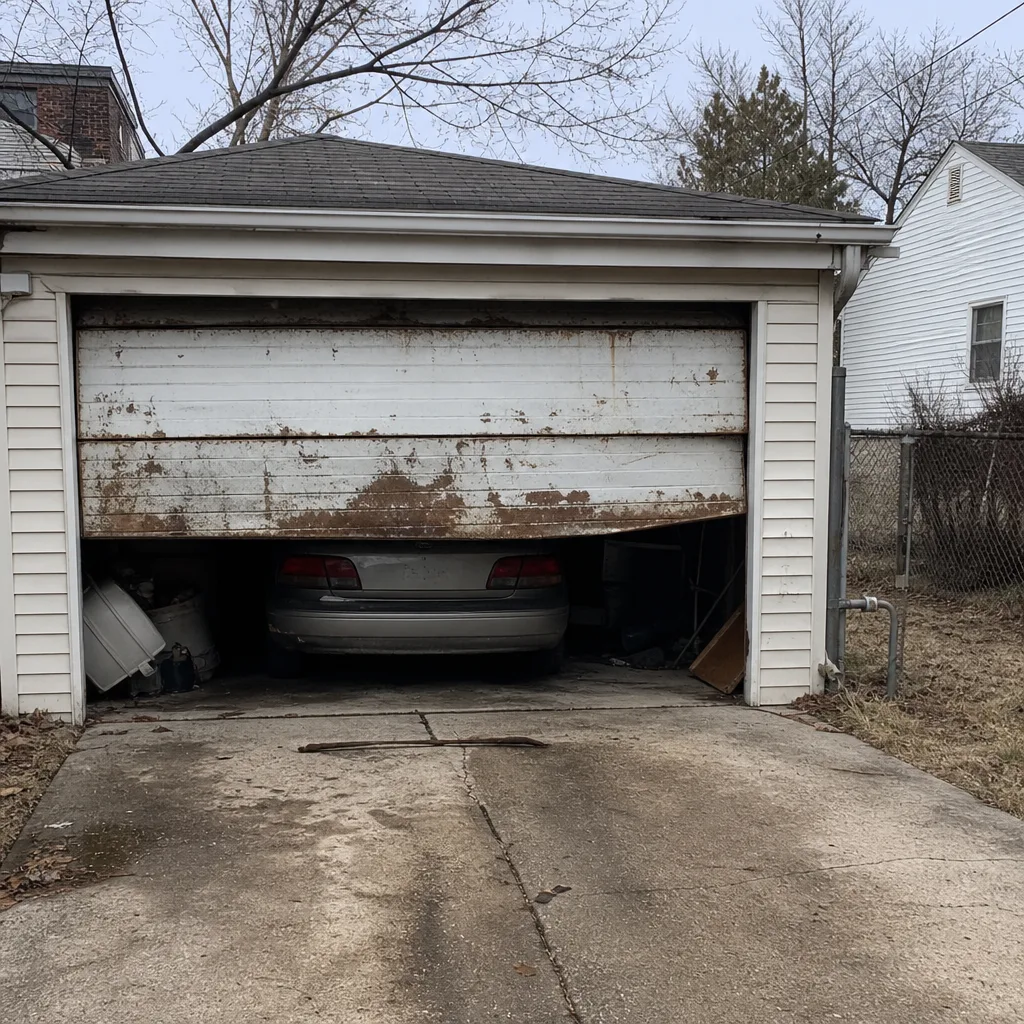 Before
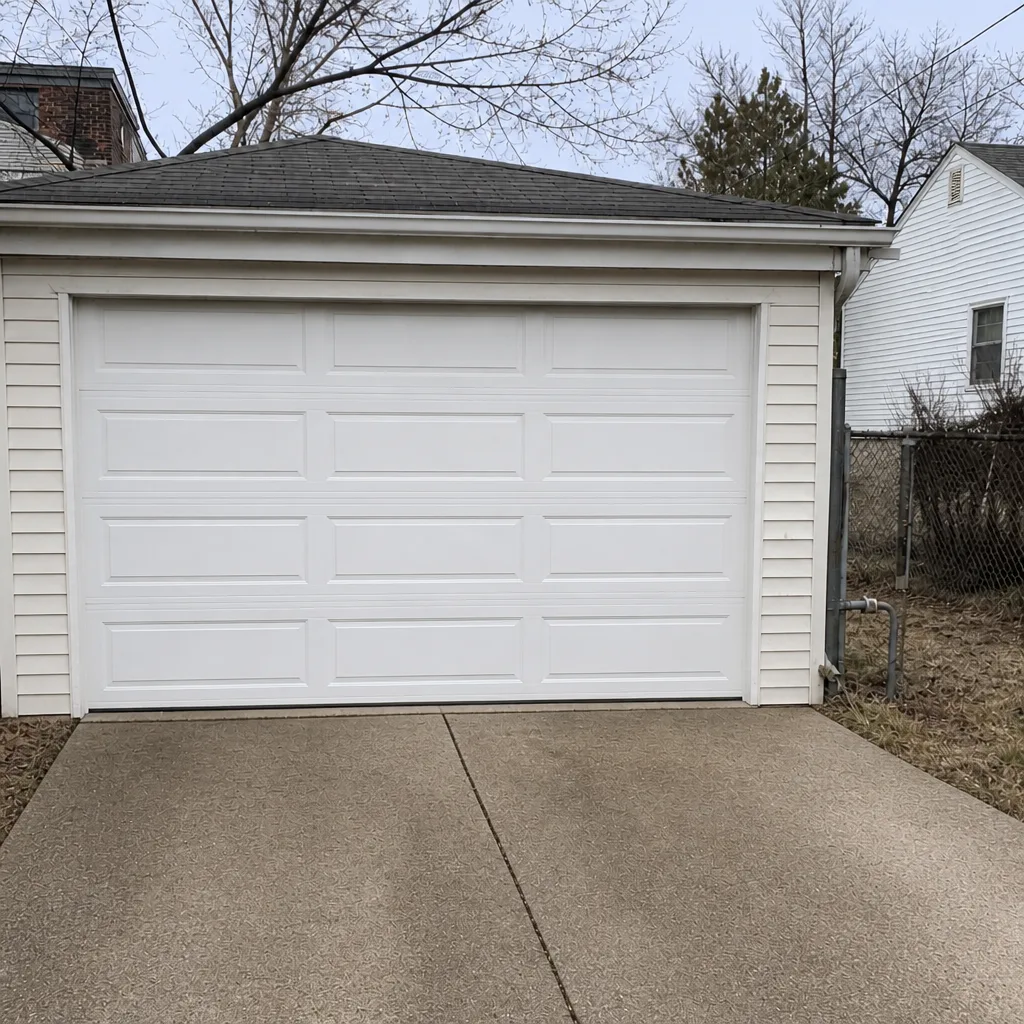 After
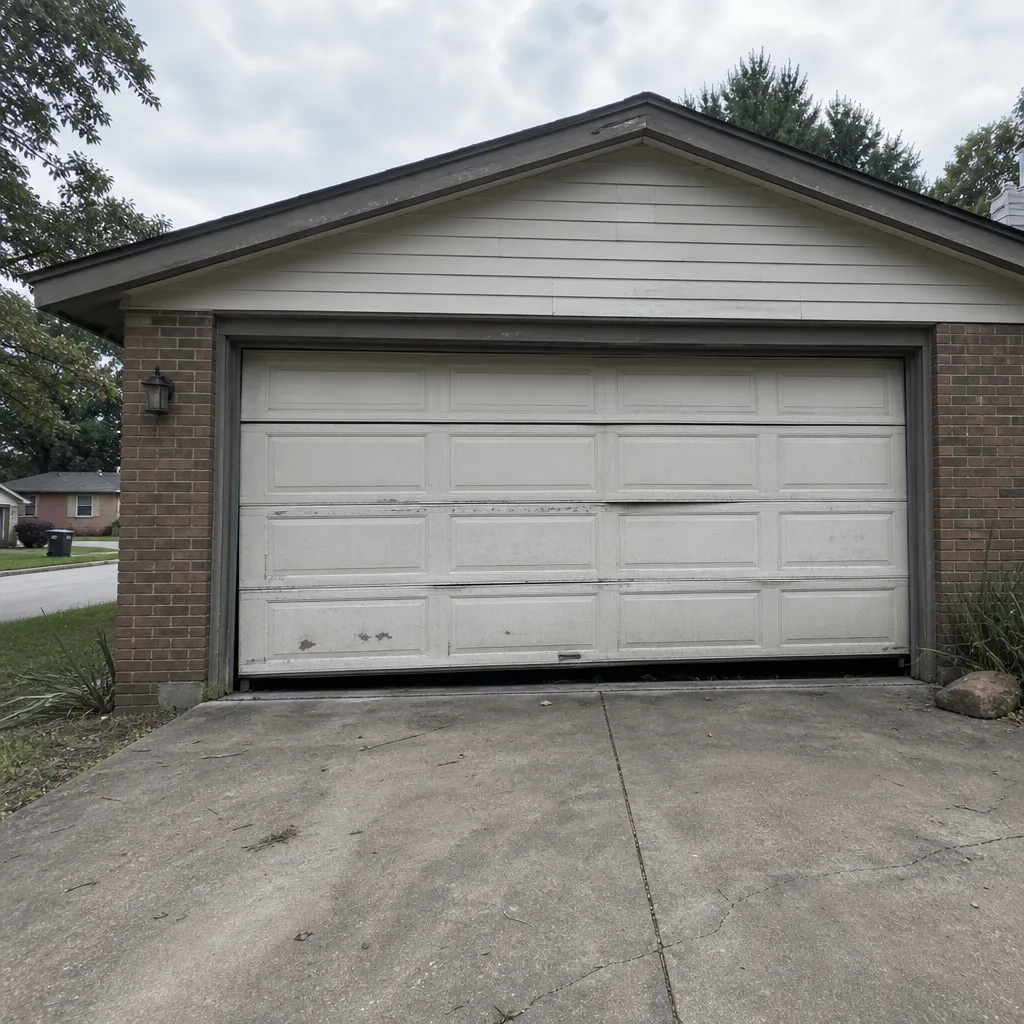 Before
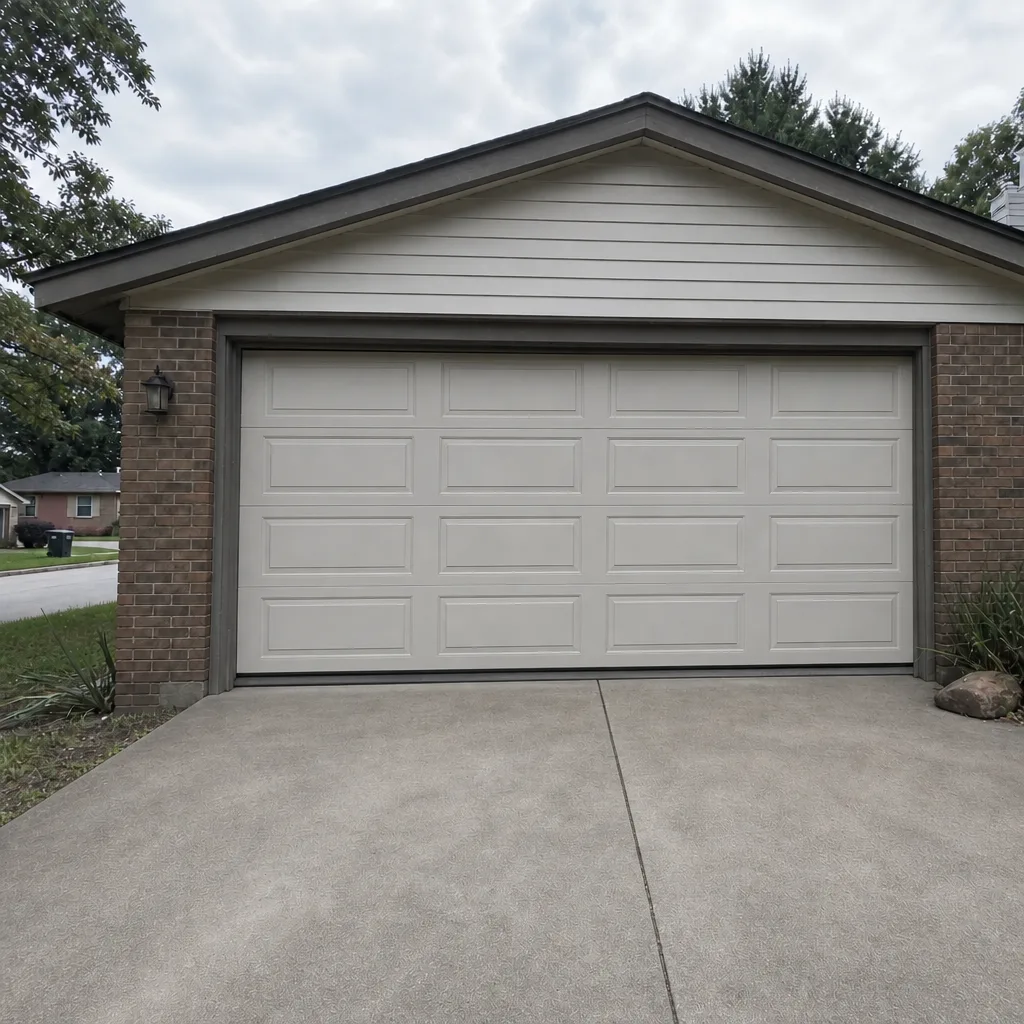 After
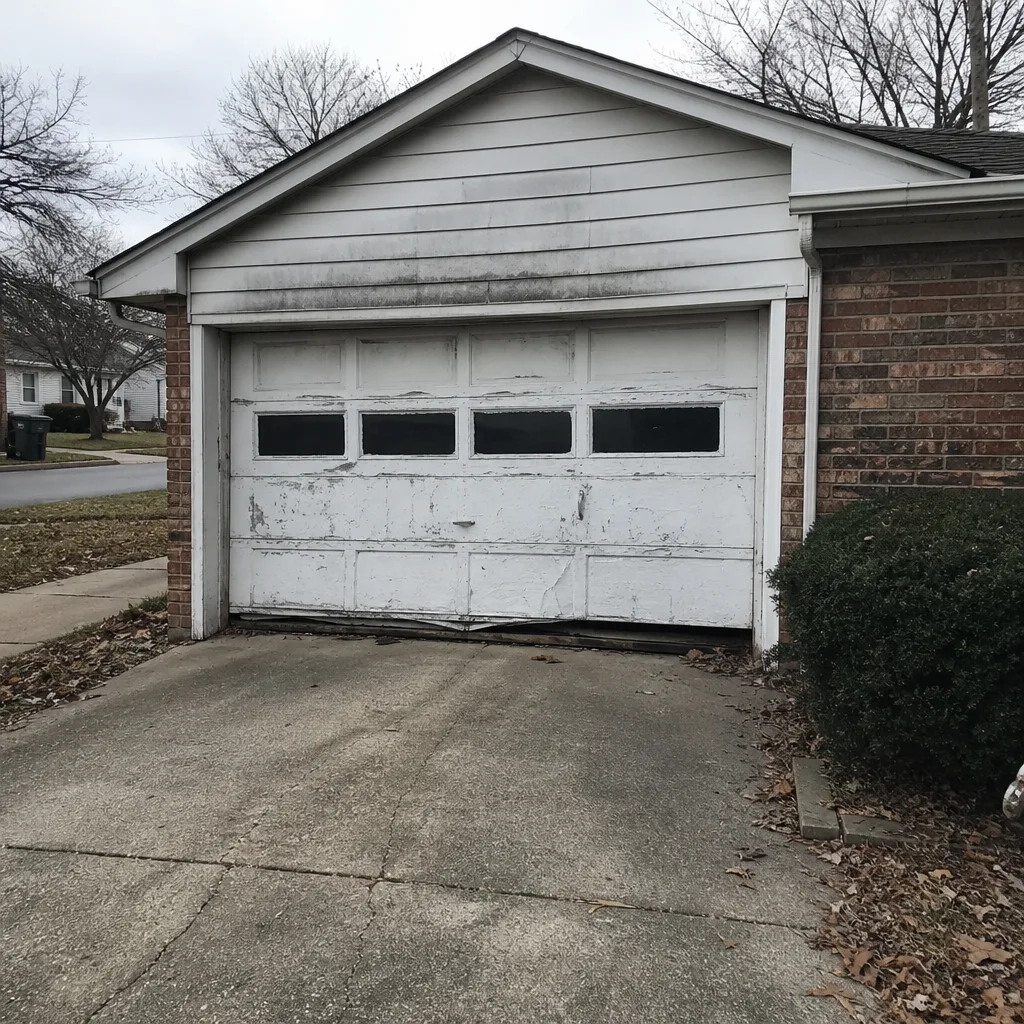 Before
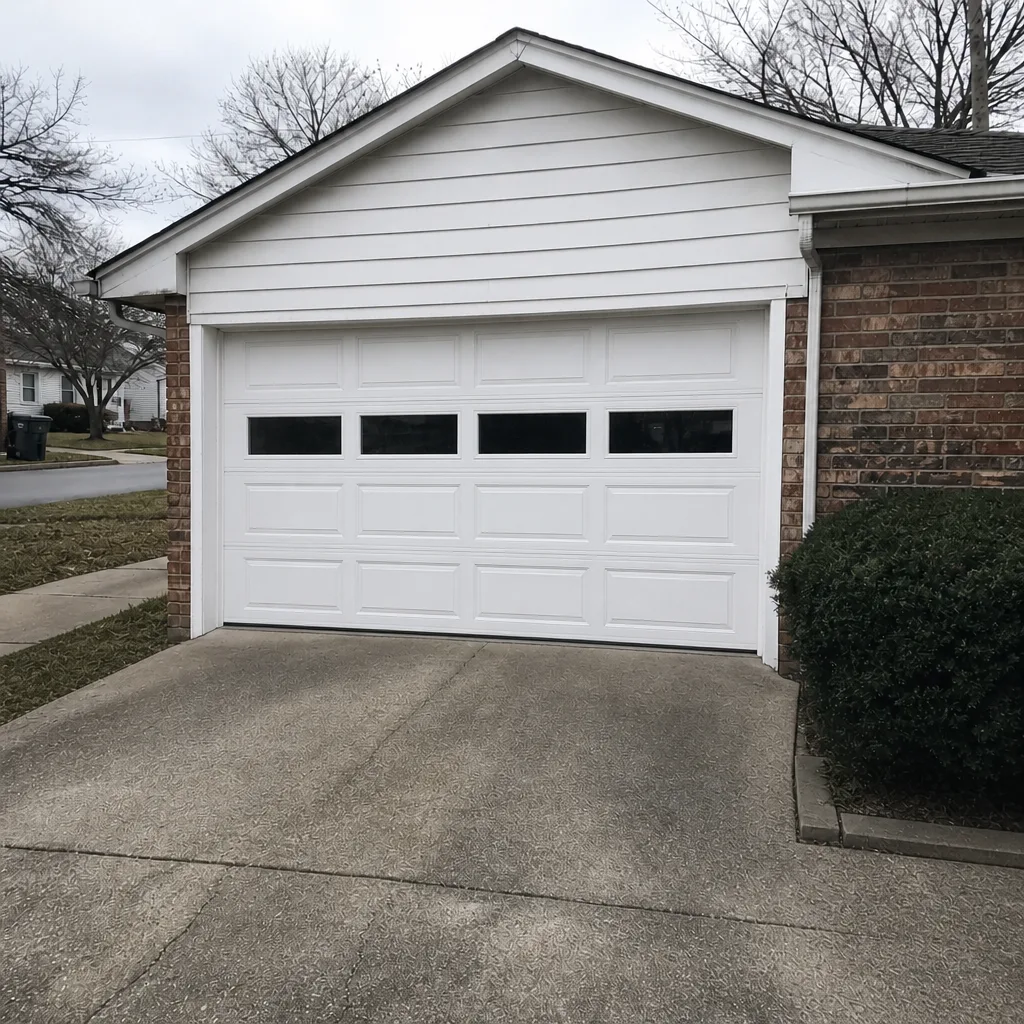 After
When to Call a Professional
Call us when you hear a new grinding or popping sound that wasn’t there before, when the door looks uneven at the top or bottom, or when the opener is clearly straining at a door it used to lift easily. Call us the same day when a cable is visibly frayed, when a spring has popped, when the door has come off a track, or when the safety reverse test fails. And call us for the routine seasonal checks you’d rather not do yourself, especially in St. Louis where the freeze/thaw cycle moves faster than the national average. Landon Garage Door Repair offers free estimates in St. Louis – call (866) 942-7683. We answer 24/7. Fast dispatch from 7am to 7pm, Sunday through Friday.
Frequently Asked Questions
The first signs are usually a new grinding or squealing sound, a door that looks uneven at the top or bottom when closed, or an opener that seems to run slower than it used to. In a St. Louis winter, a sluggish first open that doesn’t clear after the first two or three cold mornings is another early sign. Catch any of these early and the repair is usually straightforward. Call (866) 942-7683 for an exact quote – estimates are free.
Yes. A broken spring is one of the few true emergencies in garage door work, and the door should not be operated until it’s repaired. A popped spring means the counterbalance has let go on one side, and the door is being carried by the opener and the cables alone. Stop the door, stop the opener, and call. We answer 24/7. Fast dispatch from 7am to 7pm, Sunday through Friday.
Grinding is almost always metal-on-metal contact, and the usual causes are worn rollers, a dry hinge, or a bearing that’s starting to seize. It nearly always arrives weeks before visible damage, which is why it’s worth acting on right away. In St. Louis, grinding often shows up in winter after a long stretch of dry weather has taken the last of the lubricant off the rollers. Call (866) 942-7683 – an estimate is free and the written price is set before any work starts.
No. Do not attempt to repair, adjust, or re-seat a garage door cable yourself. The cable is under spring load, and a cable that slips or releases while you’re near it can take fingers or worse. Call a professional who works on the door every day. For a St. Louis visit, call (866) 942-7683.
Metal contracts in the cold and lubricant thickens, so a door that’s a little stiff on the first few cold mornings is usually just the weather. But if the door is still stiff in February after weeks of daily running, the stiffness is a component issue – a spring that’s lost preload or a roller that’s seized – not the weather. The cold exposes the problem; it doesn’t create it. Call (866) 942-7683 and we’ll take a look.
It depends on the door’s condition, not just the age. A single worn component – a spring, a cable, a roller, a hinge – is almost always a repair. A panel that’s bowed, a door that’s been dropped, or a track that’s twisted enough to have damaged the panels usually pushes toward replacement. We can look at your door and tell you honestly which side of that line it’s on. For St. Louis, the right call is to inspect first and price second. Call (866) 942-7683 – the estimate is free.
The Bottom Line
Most garage door failures don’t arrive without warning. They announce themselves through sound and feel – a grinding that wasn’t there before, a pop that only shows up in the cold, a sluggishness in the opener you can’t quite put your finger on. The visual symptoms come later, and by then the repair is usually bigger than it needed to be. Think in two buckets: warnings that give you weeks (grinding, squealing, unevenness, a slow opener) and warnings that give you hours (a pop, a frayed cable, a door that drops). Learn to tell them apart and you’ll catch most failures at the cheap stage. If you’re not sure which one you’ve got, call and ask.
We work on what you already have, whether it’s a LiftMaster opener, a Wayne Dalton door, or a Raynor torsion system – and we can tell you honestly whether a repair is the right fix or a replacement is the smarter investment. Door and opener, handled together. From a broken spring to a full new door. Landon Garage Door Repair – call (866) 942-7683 for a free estimate in St. Louis. We answer 24/7. Fast dispatch from 7am to 7pm, Sunday through Friday. More about our work in St. Louis.
Written by the team at Landon Garage Door Repair.