
Last updated November 16, 2026
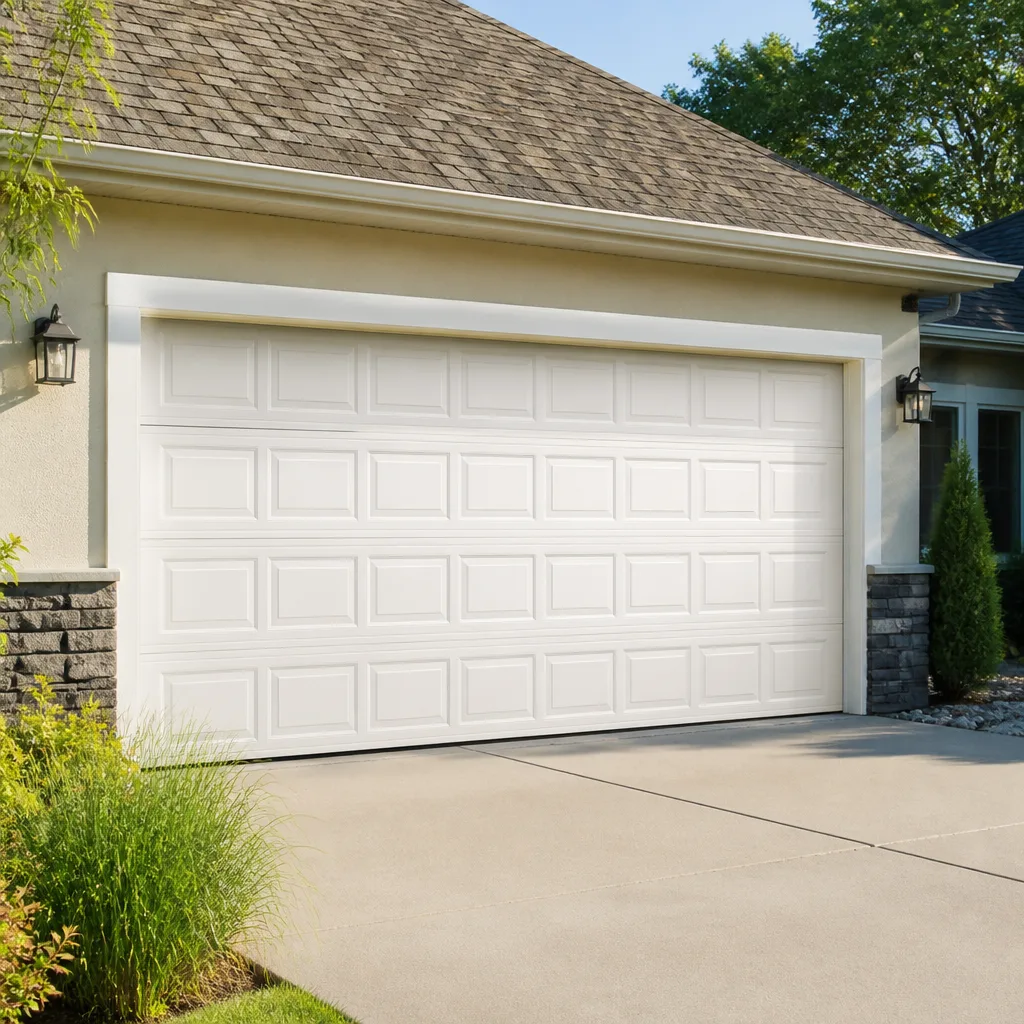 Raised-panel steel
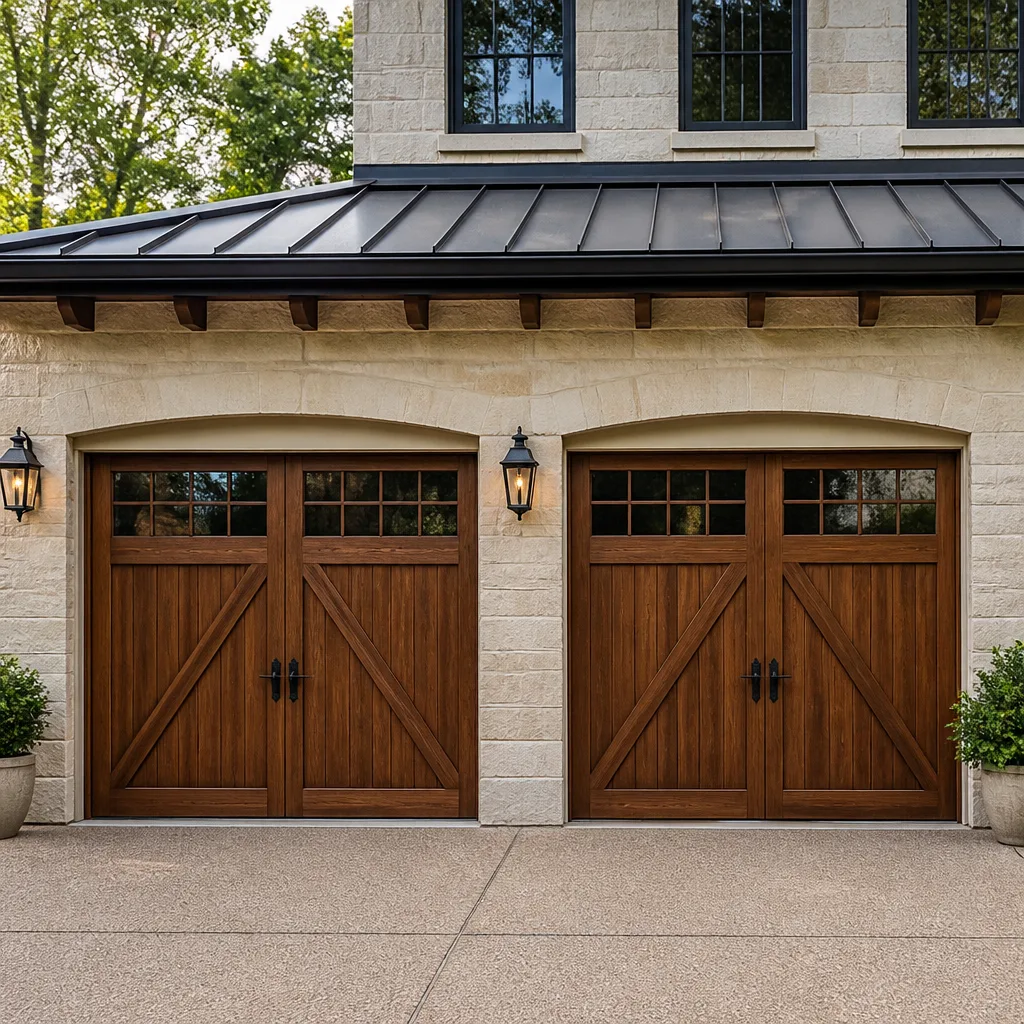 Carriage house
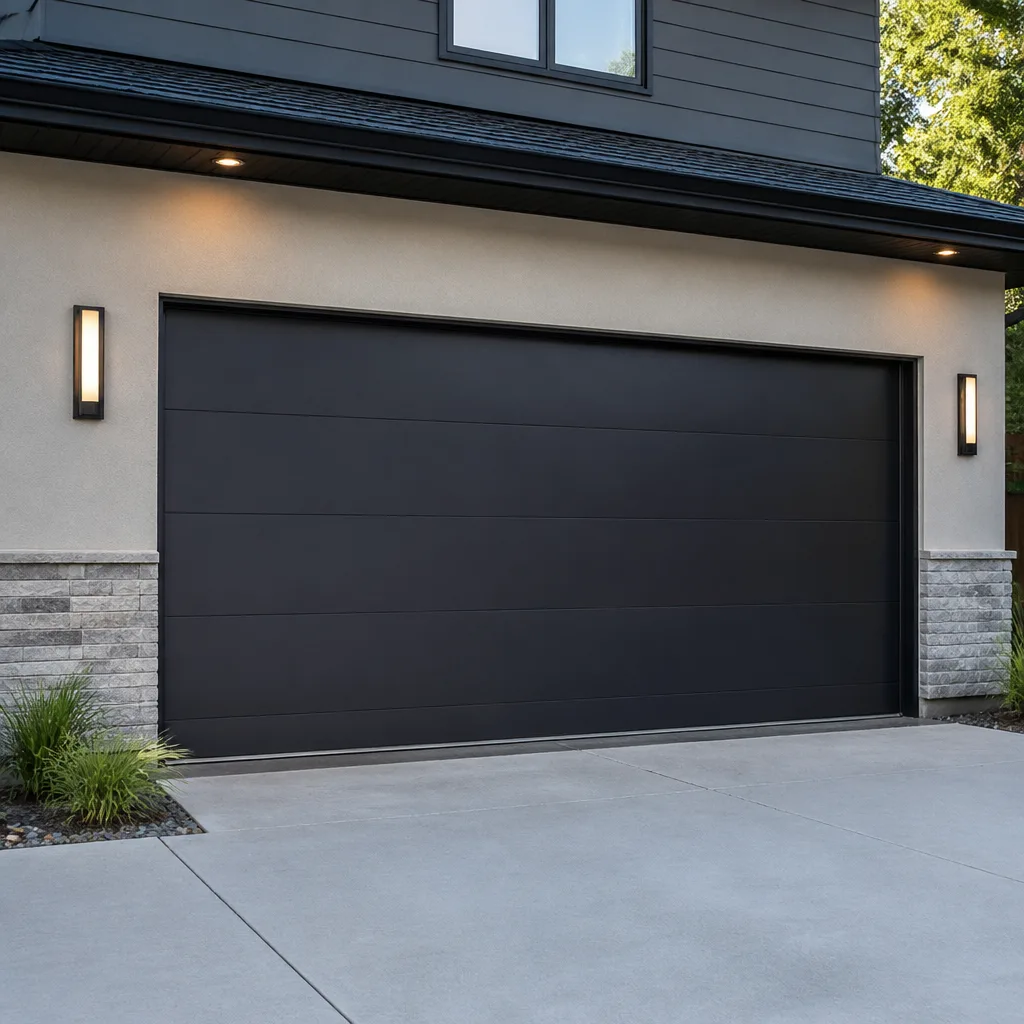 Modern flush
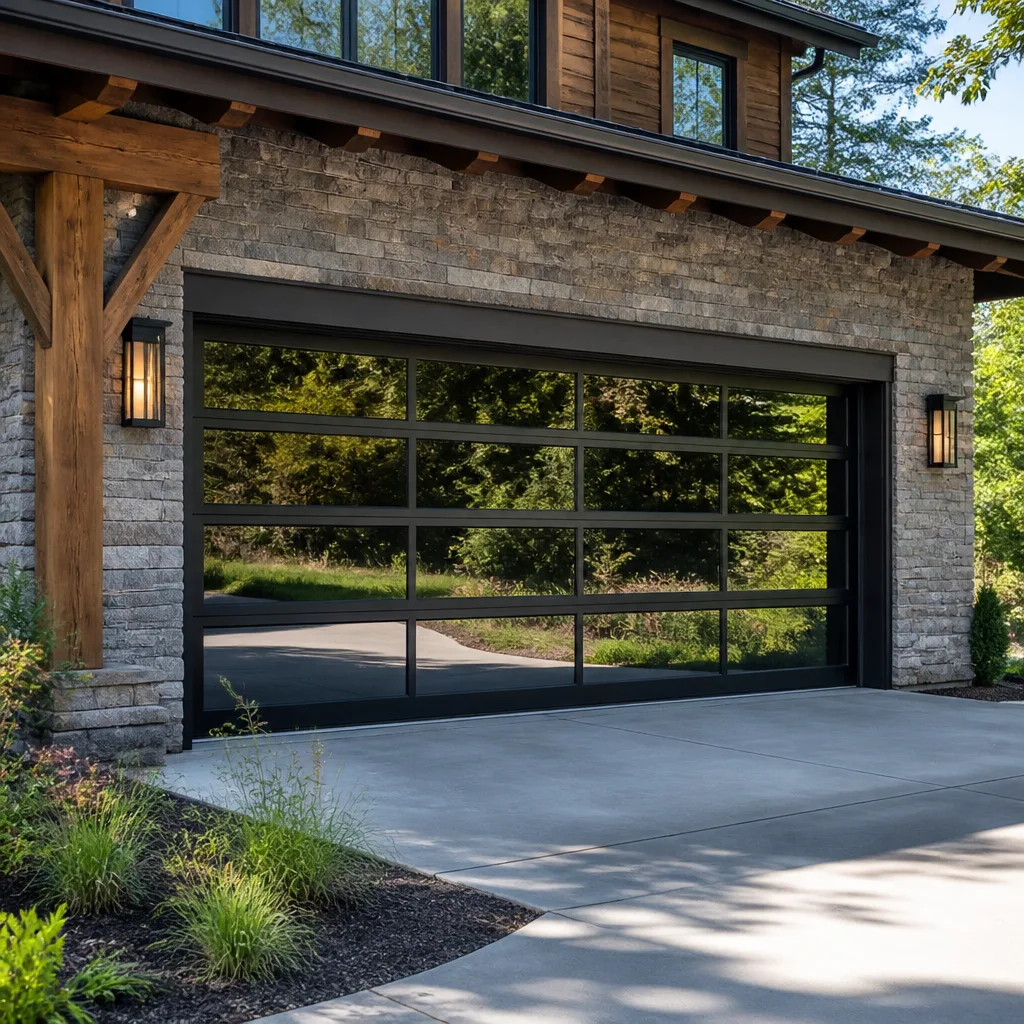 Full-view glass
 LiftMaster openers
 Chamberlain openers
Full 25-point door and opener safety check with every visit - springs, cables, rollers, tracks, and your LiftMaster or Chamberlain opener included
You get a price before we start. It does not change when the pro arrives.
Get your free estimateSeasonal Garage Door Care for St. Louis: Year-Round Homeowner’s Guide
Doing your “annual” garage door checkup in October means you’ve already missed the summer humidity damage to your bottom seal, and you’re two weeks from your first hard freeze. Timing matters more than thoroughness. St. Louis runs four genuinely different seasons, and each one stresses a garage door system in a different way – the freeze-thaw cycle works on springs and cables, the summer humidity swells wood panels and shifts tracks, the fall drop exposes weatherstripping that looked fine in July, and a January cold snap turns a small adjustment into a stuck door. This guide maps the right maintenance action to the right month, with the specific checks that prevent the service calls we see most often in St. Louis.
Quick Answer
Garage door care in St. Louis works best on a seasonal calendar, not an annual one. Check springs, cables, and rollers for freeze-thaw wear in spring, address humidity-driven swelling and opener sensitivity in summer, prep seals and hardware before the first freeze in fall, and avoid forcing a frozen door in winter. The highest-return tasks are a monthly balance test, a lubricant pass each season, and a weatherstripping check before winter.
Styles & brands we work with
- Raised-panel steel
- Carriage house
- Modern flush
- Full-view glass
- LiftMaster openers
- Chamberlain openers
Table of Contents
- Why St. Louis Needs a Seasonal Garage Door Calendar
- Spring: Catching Freeze-Thaw Damage Before It Fails
- Summer: Humidity, Swelling, and Opener Sensitivity
- Fall: The Pre-Winter Prep Sequence That Prevents January Calls
- Winter: Frozen Doors, Cold Openers, and What Not to Do
- The 10-Minute Task Each Season With the Highest Payoff
- Common Mistakes to Avoid
- When to Call a Professional
Why St. Louis Needs a Seasonal Garage Door Calendar
Garage door hardware doesn’t wear evenly through the year. It wears in bursts tied to weather transitions, and St. Louis sits in a climate band that delivers all four of those transitions. Springs that sat at a comfortable tension in April are working against a different load in February. A bottom seal that kept rain out in June may crack at the first hard freeze in December. The point of a seasonal calendar is to check the components that are about to take stress, before they take it.
An annual checklist fails because it inevitably lands in one season and skips the other three. If you do it in spring, you miss pre-winter prep. If you do it in fall, you miss the humidity damage that already happened over the summer. Splitting the work across four short sessions catches every failure mode at the moment it’s most likely to appear, and each session is short enough to actually get done.
In our experience working across the St. Louis area, the calls that come in during a cold snap are almost always the ones a homeowner could have headed off with a twenty-minute check in October. That’s the premise of this guide: right task, right month. Our technicians have up to 14 years of experience with the systems that fill St. Louis garages, including Amarr, Wayne Dalton, Craftsman, and Raynor doors and the openers that drive them.
One more reason timing matters here: St. Louis housing stock is a mix. Older homes often have wood doors that swell and shrink with the seasons. Newer subdivisions lean toward steel and aluminum with insulated panels, which behave differently in humidity and cold. The seasonal checks below apply to both, but the symptoms differ, and knowing which door type you have tells you which checks to weight most heavily.
Spring: Catching Freeze-Thaw Damage Before It Fails
Spring is the season for inspecting what winter did to your hardware. The freeze-thaw cycle is the mechanic here: metal contracts in the cold and expands as it warms, and repeated cycles work on the tension of torsion springs, the winding of cables, and the fit of hinges and rollers. A spring doesn’t usually announce it’s fatigued. It works normally right up to the point it doesn’t, and the failure typically shows up on a busy morning when the door gets the most use.
Here’s what freeze-thaw stress actually looks like on a system that’s been through a St. Louis winter:
- Torsion springs with a visible gap or sag. A healthy spring is a tight coil. Any separation between coils under load is a warning sign, not a cosmetic issue.
- Cables with fraying or loose winding. Cables that have stretched through temperature cycles may sit unevenly on the drums, which shows as a door that lifts crookedly.
- Rollers that rattle or squeal on the first warm day. Cold-hardened lubricant dries out, and the rollers take the abuse until they’re re-lubricated or replaced.
- Hinges with loose fasteners. The expansion and contraction cycle works screws loose at the hinge plates, and a door that vibrates in its tracks is often just a handful of loose bolts.
The spring check we recommend first is the balance test, and it’s the safest diagnostic a homeowner can do. With the door closed, pull the opener’s release cord to disconnect the door from the operator. Lift the door about halfway by hand and let go. A balanced door stays where you put it. A door that drops on its own or rises on its own is telling you spring tension is off – and that’s the point where you stop testing and call a professional. High-tension springs and the cables that hold them under load can cause serious injury, so a trained technician should handle any adjustment or replacement. If the balance test points to a problem, our garage door repair team can evaluate the springs and cables and quote the fix before any work begins.
Summer: Humidity, Swelling, and Opener Sensitivity
Summer in St. Louis is where wood doors and opener settings quietly drift out of tune. Missouri humidity does two things to a garage door. First, it swells wood panels and frames, which changes the door’s dimensions by fractions of an inch – enough to make a door that used to close cleanly start to drag or bind. Second, it changes the friction in the tracks and rollers, which the opener experiences as resistance. The opener’s safety system is designed to reverse the door when it senses an obstruction, and a door that suddenly binds can trip that system intermittently. A door that reverses halfway down on a humid afternoon is often not a failing opener – it’s a door that’s working harder than it used to.
Track alignment is the other summer issue. Swollen wood and shifting framing can push tracks slightly out of parallel, and a door that has to fight its tracks will wear rollers faster and stress the opener motor. On steel doors, the tracks are more stable, but the rollers and hinges still pick up grime and humidity that thicken the lubricant and turn a quiet door into a loud one.
What to check in summer:
- Run the door by hand – disengage the opener, lift the door, and feel for binding or a door that wants to drift. Smooth travel by hand means the opener has an easy job.
- Look down the tracks – sight along each track from the floor up. Any visible bend or gap between the door edge and the track means the alignment needs attention.
- Test the safety reverse – place a piece of wood flat on the floor in the door’s path and close the door. The door should reverse on contact. If it doesn’t, that’s a safety issue, not a nuisance.
- Check weatherstripping and the bottom seal – summer heat hardens rubber, and a seal that’s cracking now will fail completely in the first freeze.
If the opener is the component misbehaving – reversing without cause, losing its travel limits, or refusing to respond to a remote – that’s a separate discipline from the door itself. Our garage door opener repair service exists because LiftMaster, Chamberlain, Genie, and Craftsman openers each have their own adjustment procedures and failure patterns, and a technician who knows your specific unit diagnoses the actual problem instead of guessing.
Fall: The Pre-Winter Prep Sequence That Prevents January Calls
Fall is the highest-value season for garage door maintenance in St. Louis, because the work you do now is what protects you through January and February. Most cold-weather service calls – doors that won’t close, doors that freeze to the floor, openers that strain in cold temperatures – trace back to something that was visible but unchecked in October. Do these steps in order, and you’ll enter winter with the system in the best shape it can be.
- Inspect and replace the bottom seal. This is the most important fall task. A worn bottom seal is the direct cause of a door freezing to the floor, and it’s also your main barrier against cold air, snowmelt, and pests. Run your hand along the seal and look for cracks, flattening, or gaps at the corners. If the rubber has lost its flex, replace it before the first freeze.
- Lubricate the moving parts. Apply a garage-door-appropriate lubricant to hinges, rollers, springs, and the bearing plates at the ends of the torsion bar. Don’t use heavy grease in fall – cold weather thickens it, and a lubricant that’s too heavy in October becomes drag in January.
- Test the balance. Repeat the spring balance test from spring. A door that was balanced in April and isn’t balanced in October has fatigued springs, and cold weather increases the load on them. Get this looked at before winter, not during it.
- Check the weatherstripping around the frame. The side and top seals take the brunt of wind-driven snow. Look for gaps, tears, or seals pulling away from the frame.
- Verify the safety reverse again. Cold-hardened rubber and a slightly misadjusted opener can combine to defeat the safety reverse in winter. Test it now and confirm it works reliably.
- Clear the door’s travel path. Make sure nothing is stored against the tracks and that the area under the door is clear for the winter. A door that hits an obstruction in cold weather puts maximum stress on the opener.
Doing this sequence in October and early November is what separates a quiet winter from a season of small emergencies. It also gives you a list to bring to a technician if something looks wrong, which makes an inspection faster and cheaper than diagnosing a problem mid-winter.
Winter: Frozen Doors, Cold Openers, and What Not to Do
When a garage door freezes to the floor, the instinct is to force it. Don’t. A door that’s frozen to the concrete should be freed by gently working around the seal – warm water along the bottom seal, or a careful lift once the ice has released – not by hitting the opener button repeatedly and hoping. Forcing a frozen door is one of the fastest ways to break a spring or burn out an opener’s drive system, and it turns a five-minute problem into a real repair.
Cold temperatures also change how an opener performs. Below roughly 20°F, the lubricant in the opener’s drive and the door’s moving parts gets thicker, and the opener has to work against more resistance. A door that’s slightly out of balance or binding will suddenly reverse or stall in cold weather even though it worked fine in October. That’s not the opener failing – it’s the opener reaching its limit. If your opener struggles in cold temps, the fix is usually to reduce the load on it: re-lubricate with a cold-appropriate product, check that nothing is binding, and confirm the balance. If the opener still strains after those steps, it’s worth having a technician look at the travel limits and force settings.
What to do and not do in winter:
- Do keep the bottom seal clean and free of ice buildup. A small amount of ice under the seal is normal; a thick ridge is a sign the seal is worn and letting water in.
- Do clear snow and ice away from the base of the door so the seal isn’t sitting in a puddle that refreezes.
- Don’t pour hot water on a frozen seal. It can crack the rubber. Lukewarm water or gentle mechanical freeing is safer.
- Don’t repeatedly run the opener against a stuck door. Stop after one failed attempt and free the door by hand.
- Don’t ignore a door that reverses only in cold weather. Intermittent cold-weather reversal is a symptom worth diagnosing, not a quirk to live with.
When a cold-weather problem does come up, call (866) 942-7683. We answer 24/7, and we run fast dispatch from 7am to 7pm, Sunday through Friday, so a call outside dispatch hours gets booked into the next opening.
The 10-Minute Task Each Season With the Highest Payoff
If you only do one thing each season, do this. These four short tasks have the highest ratio of failure prevented to effort spent, and none of them requires tools beyond what’s in a basic drawer.
- Spring (10 minutes): Run the balance test. Disengage the opener, lift the door halfway, let it go. A door that holds still is balanced; a door that moves on its own needs a professional spring check. This one test catches spring fatigue before it becomes a failure.
- Summer (10 minutes): Run the door by hand and sight the tracks. Lifting the door manually tells you more about binding and alignment than any visual inspection. If it moves smoothly and both tracks look straight when you sight along them, you’ve ruled out the most common summer problems.
- Fall (10 minutes): Inspect the bottom seal and weatherstripping. Run a hand along the bottom seal and the frame seals. Replace anything cracked, flattened, or pulling away. This single task is the best prevention against frozen doors and cold-weather drafts.
- Winter (10 minutes): Clear ice and snow from the door’s base. Keep the seal out of standing water that refreezes, and check that the door’s travel path is clear. This prevents the frozen-door problem before it starts.
Four short sessions, spaced across the year, catch every failure mode at the point it’s most likely to appear. The full checkups still matter, but these four tasks are the difference between a routine maintenance year and a repair year.
More Than Weather: What St. Louis Doors Face Year-Round
Weather is the dominant stress on a garage door in St. Louis, but it’s not the only one. Day-to-day use, the condition of the door itself, and the demands of modern openers all add up. Some patterns cross all four seasons and are worth building into your routine regardless of the month.
Use is the quiet variable. A door that runs several times a day wears faster than one that runs twice. Springs are rated in cycles, and every open-and-close is a cycle, so a busy household will see spring fatigue sooner than a quiet one, even in the same weather. That’s one reason a door that’s only a few years old can still need attention – the hours on the door matter as much as its age.
Door type changes the symptom list. Wood doors swell and shrink with humidity, so their seasonal checks lean toward swelling, binding, and seal condition. Steel and aluminum doors are dimensionally stable, but they can still bend tracks, wear rollers, and lose hinge tightness. If your door is an Amarr, Wayne Dalton, Craftsman, or Raynor system, the general checks here apply, and the specific adjustments are the same ones a technician would make for that brand.
Opener complexity is the newer factor. Wi-Fi-enabled and smart-home-integrated openers add a layer of things to monitor: connectivity, remote pairing, travel-limit calibration, and firmware updates. That’s why Landon Garage Door Repair treats opener work as its own service discipline rather than an afterthought. A technician who understands the drive system, the sensors, and the smart-home integration can diagnose the actual fault rather than swapping parts on a guess. Our technicians have up to 14 years of experience across the eight of the industry’s most widely installed brands, so a St. Louis homeowner doesn’t have to find a separate company when a job crosses from the door to the opener.
One more thing worth keeping in the routine: pay attention to sound. A garage door announces changes in its condition through noise – squeaks, rattles, grinding, a change in the rhythm of opening. A door that sounds different this month than it did last month is telling you something, and catching the change early is cheaper than catching it after it fails.
See the difference
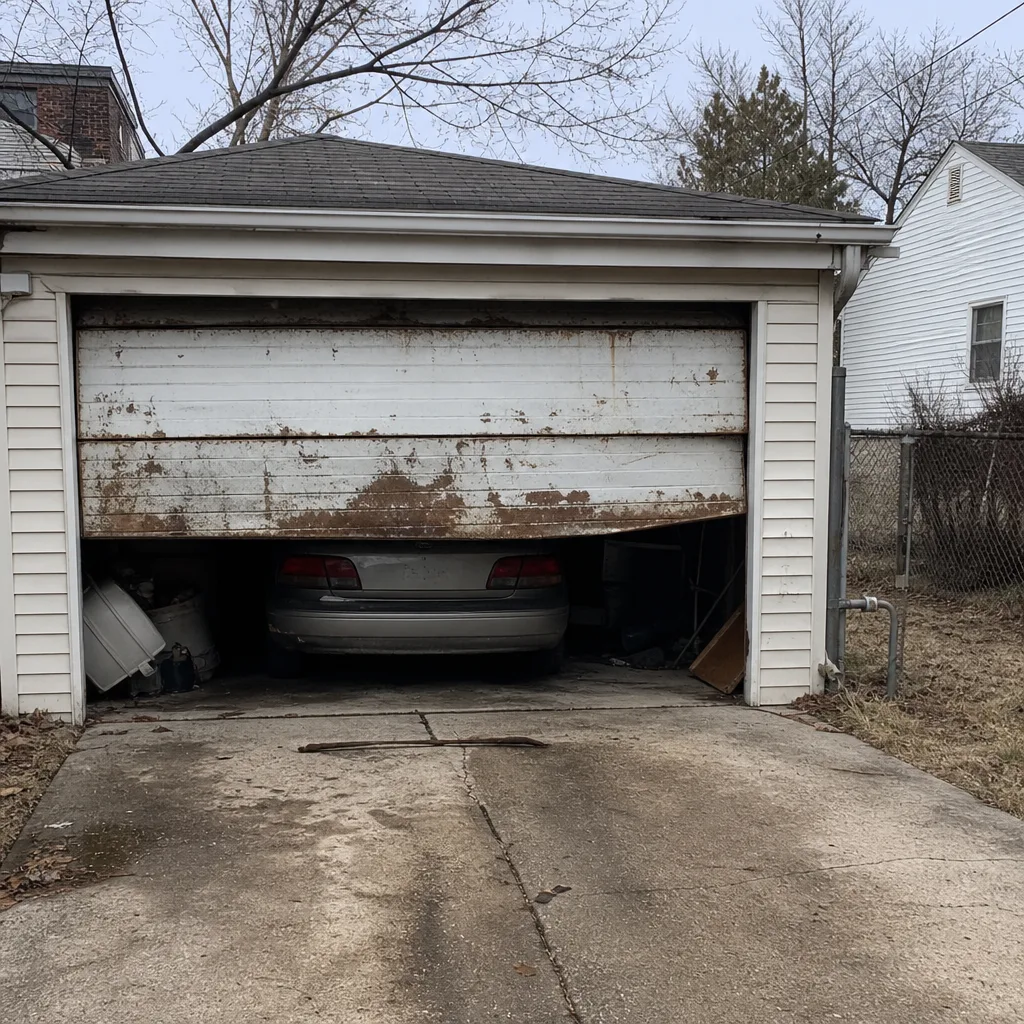 Before
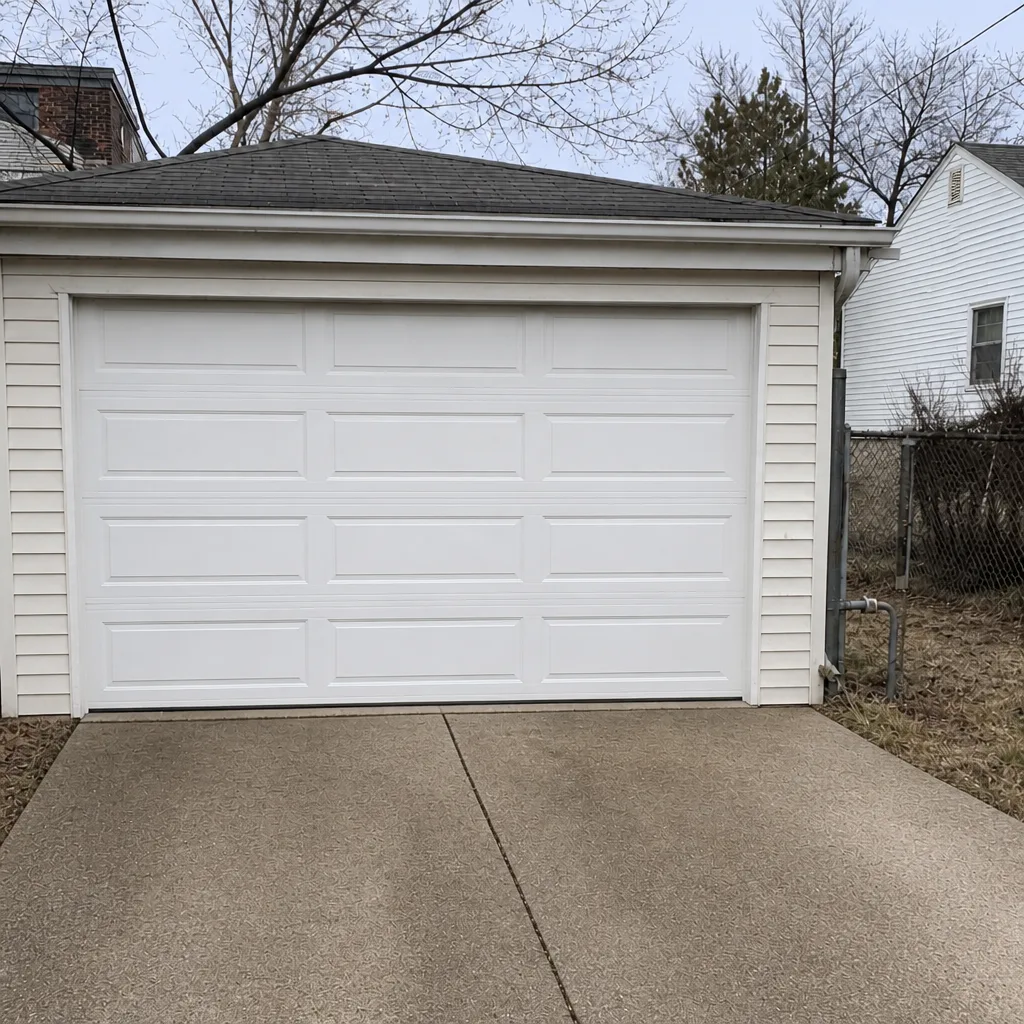 After
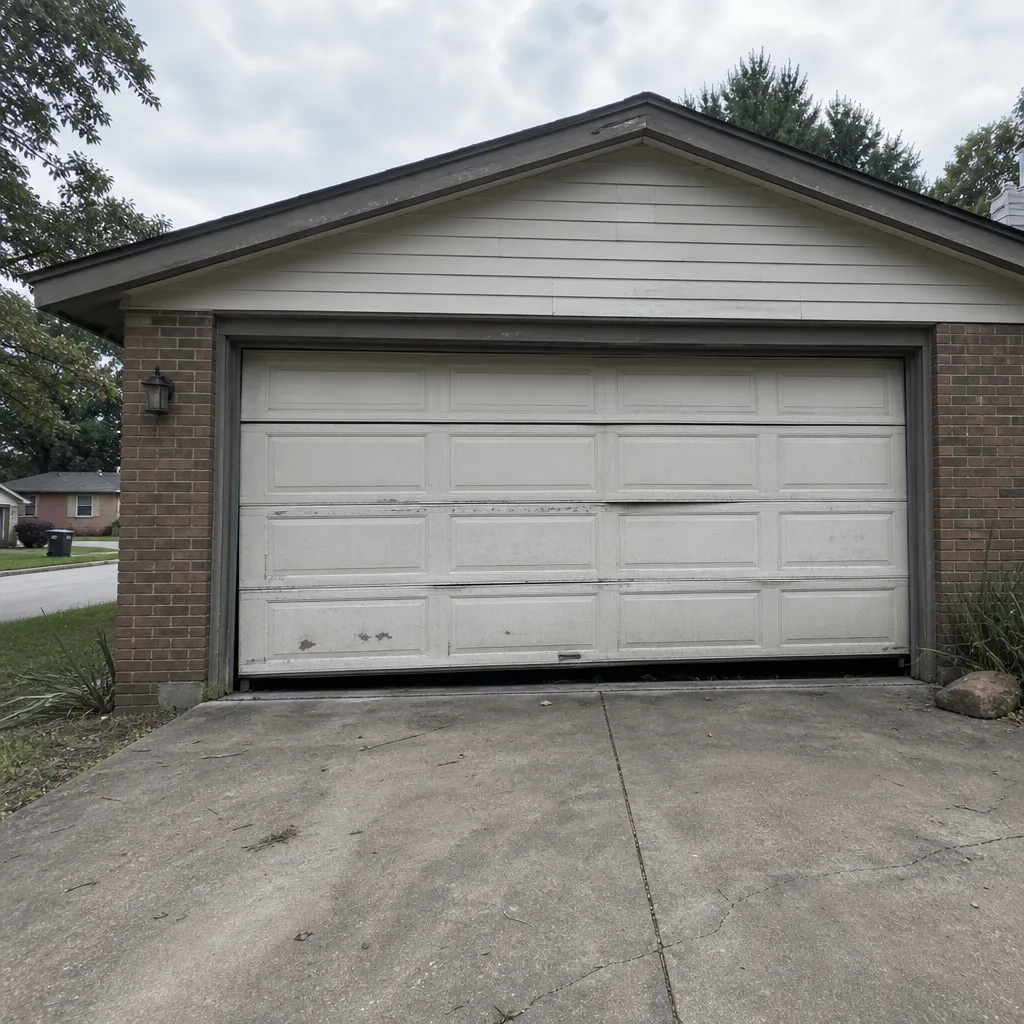 Before
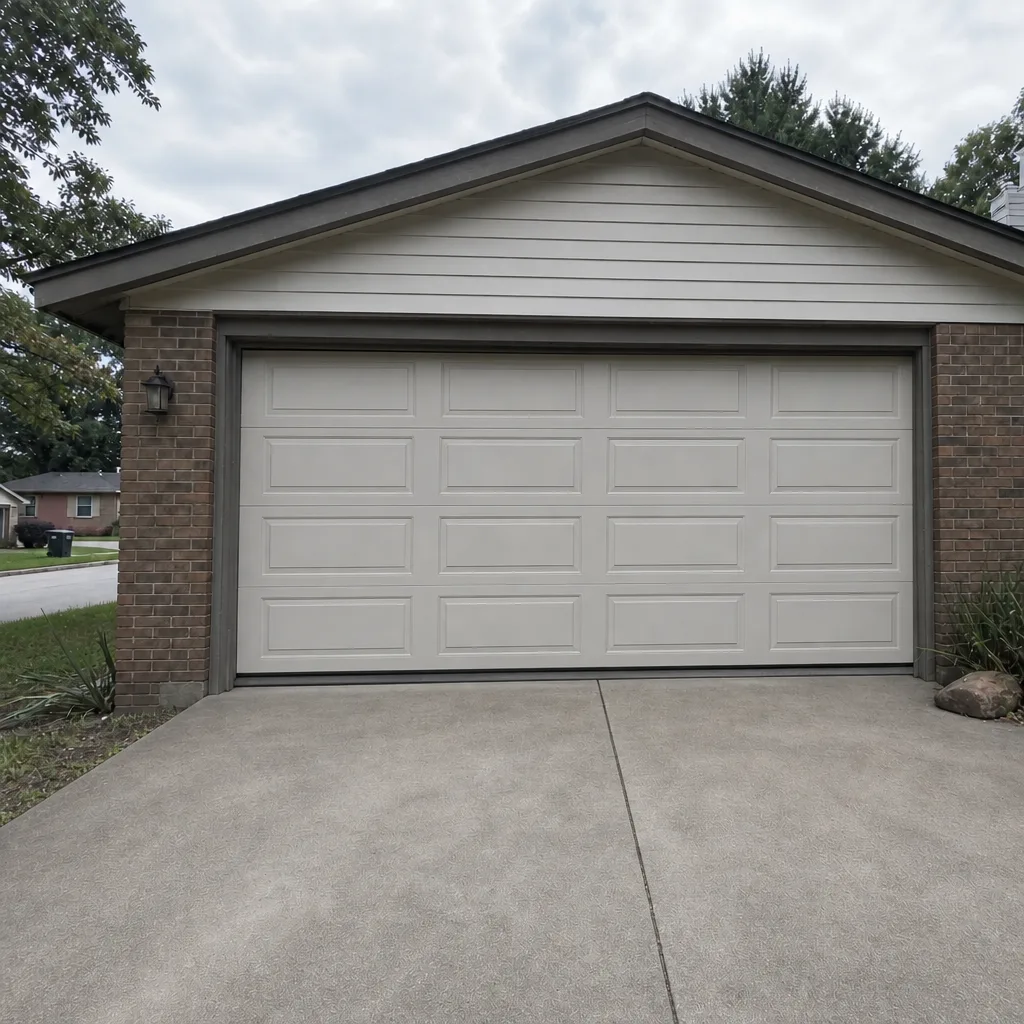 After
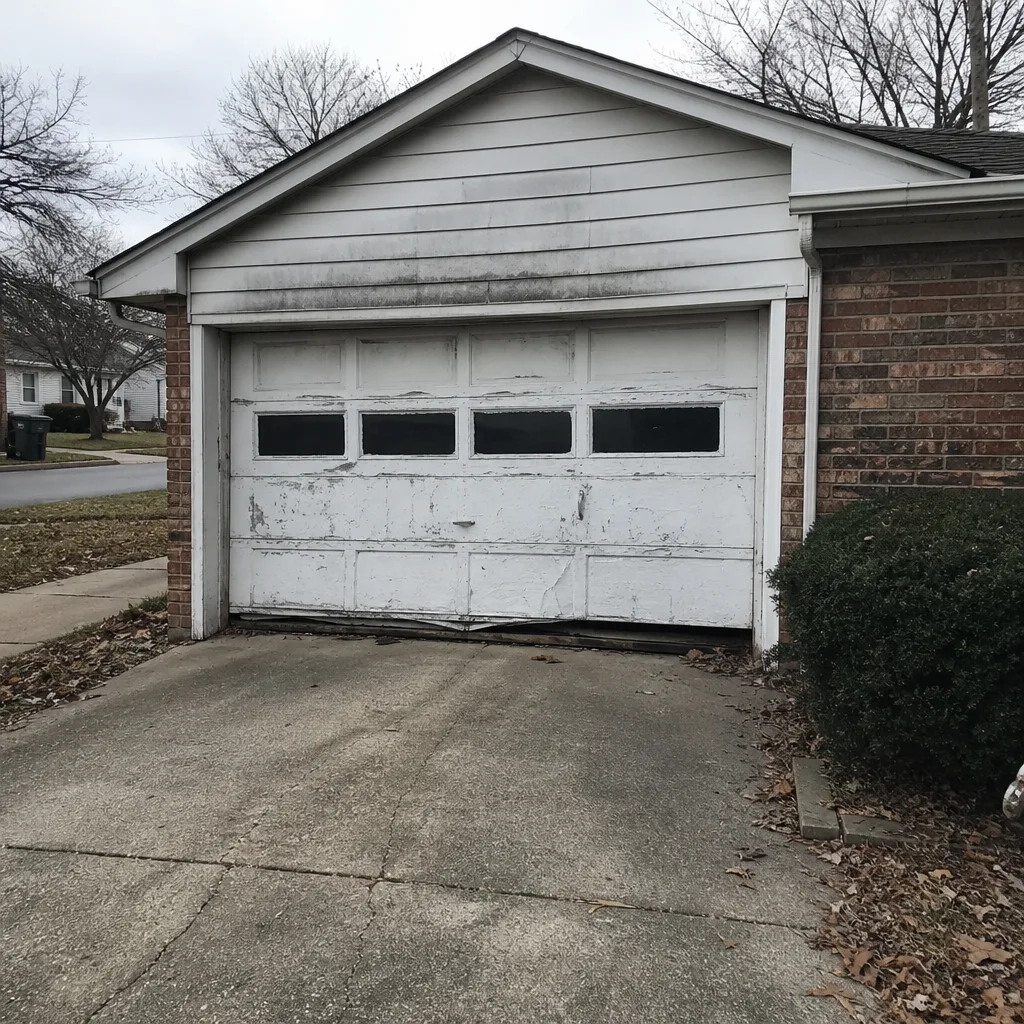 Before
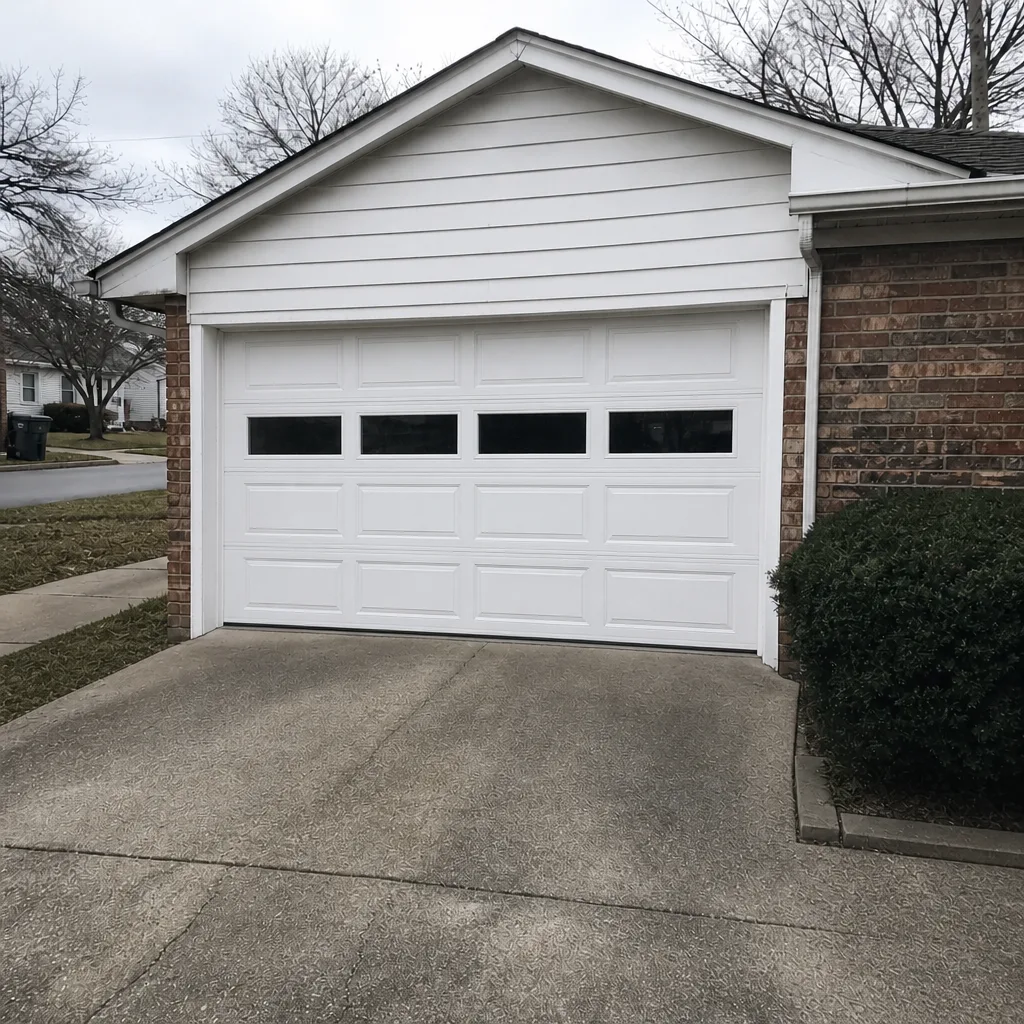 After
Reading the Warning Signs by Season
A garage door rarely fails without warning. The signs are just easy to miss because they show up gradually and each one looks minor on its own. Here’s how to read the common symptoms and which ones point to a seasonal cause.
- A door that reverses partway down in humid weather – often summer binding or opener sensitivity, not a failing opener.
- A door that drifts or drops when you let go of it – spring tension, and it’s worth a professional check in any season.
- A door that bounces or slams at the floor – travel limit or balance issue, and cold weather makes it worse.
- A grinding or squealing sound that appeared this month – lubrication, roller wear, or a hinge that’s loosened.
- A door that won’t close all the way in winter – frozen seal, swollen frame, or a binding issue the cold pushed past the opener’s limit.
- Visible cracks or gaps in the bottom seal – replace before the freeze, not after.
None of these are reasons to panic, and most are routine fixes. But each one is a sign the system is asking for attention, and each is cheaper to address before it turns into a failure. The seasonal calendar above exists to catch these signs at the moment they’re most likely to appear in St. Louis – which is early enough to do something about them on your own schedule.
Common Mistakes to Avoid
- Doing the annual checkup in only one season. A single October inspection can’t catch summer humidity damage that already happened, and a spring inspection can’t prevent a frozen door. Split the work across four sessions so each season gets the checks it needs.
- Using heavy grease on tracks and springs. Thick lubricants collect grit in summer and turn to drag in winter. Use a door-appropriate lubricant and reapply each season rather than one heavy application.
- Forcing a frozen door open. Repeatedly running the opener against a door frozen to the floor puts maximum stress on the springs and the drive system. Free the door by hand first.
- Adjusting spring tension yourself. Torsion springs are under significant tension even when the door is closed, and a wrong adjustment can cause serious injury. Leave spring work to a trained technician.
- Ignoring a door that reverses only in cold weather. Intermittent cold-weather reversal is a symptom, not a quirk. Diagnose the cause before it becomes a stuck door on a busy morning.
- Waiting for the bottom seal to fail before replacing it. A worn seal is the direct cause of frozen doors and a common source of drafts and water intrusion. Replace it in fall.
- Skipping the safety reverse test. The safety reverse is the most important function on any opener. Test it each season, and fix it immediately if it fails.
When to Call a Professional
Some garage door work is homeowner territory: cleaning tracks, lubricating moving parts, replacing a bottom seal, and running the balance test. Some of it isn’t. Call a professional when a door drifts or drops on the balance test, when a spring has a visible gap or shows signs of fatigue, when a cable is loose or winding unevenly, when a door reverses only in cold weather despite a clear path, when the opener strains or loses its travel limits, or when the door has come off its tracks or is visibly crooked. Springs and cables are under high tension and can cause serious injury; the safety reverse is a function you shouldn’t run without a working one. Landon Garage Door Repair offers free estimates in St. Louis – call (866) 942-7683. We answer 24/7. Fast dispatch from 7am to 7pm, Sunday through Friday.
Frequently Asked Questions
Replacing a worn bottom seal in fall is the single most important seasonal task, because it’s the direct cause of frozen doors and the main barrier against winter drafts and water. Check it in October, and replace anything cracked or flattened before the first freeze. Call (866) 942-7683 for an exact quote – estimates are free.
Servicing is best split across the seasons rather than done once a year: a spring inspection, a summer humidity and alignment check, a fall pre-winter prep, and a winter care check. The balance test and a lubricant pass are worth doing each season, and the bottom seal deserves a look before winter. If you’d rather have a technician go through it once, call (866) 942-7683 for a free estimate.
Cold weather thickens lubricant and increases resistance, so a door that’s slightly out of balance or binding will start to reverse or stall below roughly 20°F even though it worked fine in warmer months. The fix is usually to reduce the load on the opener with a cold-appropriate lubricant and a balance check. If it continues, a technician should look at the opener’s travel limits. Call (866) 942-7683 for an exact quote.
Yes. Lubricating hinges, rollers, springs, and bearing plates is a homeowner task, and it’s one of the highest-value things you can do each season. Use a door-appropriate lubricant, avoid heavy grease, and never adjust spring tension or unwind a cable yourself – those are professional work. Call (866) 942-7683 if you’d rather have a technician go through it.
Free it manually before running the opener: gently work around the bottom seal with lukewarm water or careful lifting, and don’t force it. Repeatedly running the opener against a frozen door puts maximum stress on the springs and drive system. Once it’s free, check the bottom seal for wear. Call (866) 942-7683 if the door doesn’t return to normal. We answer 24/7. A call outside dispatch hours is booked into the next opening, Sunday through Friday, 7am to 7pm.
No. The written estimate sets the final price, and the price is quoted and agreed before any work starts. If a technician finds something different during the estimate, that’s discussed with you before anything is done. Call (866) 942-7683 for an exact quote – estimates are free and the price doesn’t change after the fact.
Yes. The technicians who perform the work are licensed and insured, and they’re trained on the systems most common in St. Louis garages, including Amarr, Wayne Dalton, Craftsman, and Raynor doors and the openers that drive them. Call (866) 942-7683 to book an estimate.
Same-day service is available for repair calls, and fast dispatch from 7am to 7pm, Sunday through Friday, gets a technician to you quickly. We answer 24/7, so call (866) 942-7683 and we’ll book you into the next opening. Installation and replacement work is scheduled after a free measure and written price.
The Bottom Line
Seasonal garage door care in St. Louis is about matching the task to the month: spring for freeze-thaw inspection and the balance test, summer for humidity, binding, and opener sensitivity, fall for the pre-winter prep sequence, and winter for careful handling of frozen doors and cold openers. The four 10-minute tasks above – balance test, hand-travel and track check, bottom seal inspection, and ice clearing – catch most problems before they become repairs. For everything beyond that, the right fix starts with an honest estimate. Landon Garage Door Repair handles door and opener together, works on the system you already have, and quotes the price before any work starts. Call (866) 942-7683 for a free estimate. We answer 24/7. Fast dispatch from 7am to 7pm, Sunday through Friday.
Written by the team at Landon Garage Door Repair.