
Last updated November 16, 2026
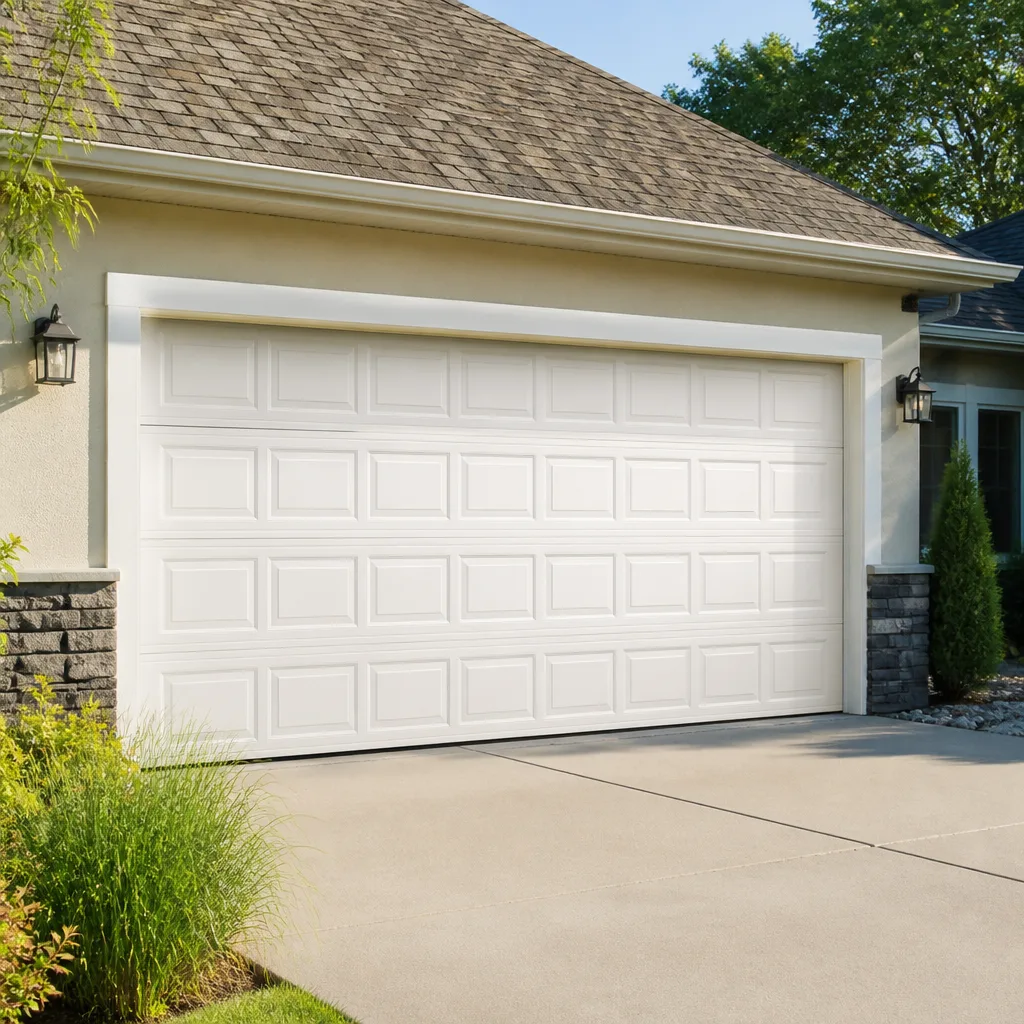 Raised-panel steel
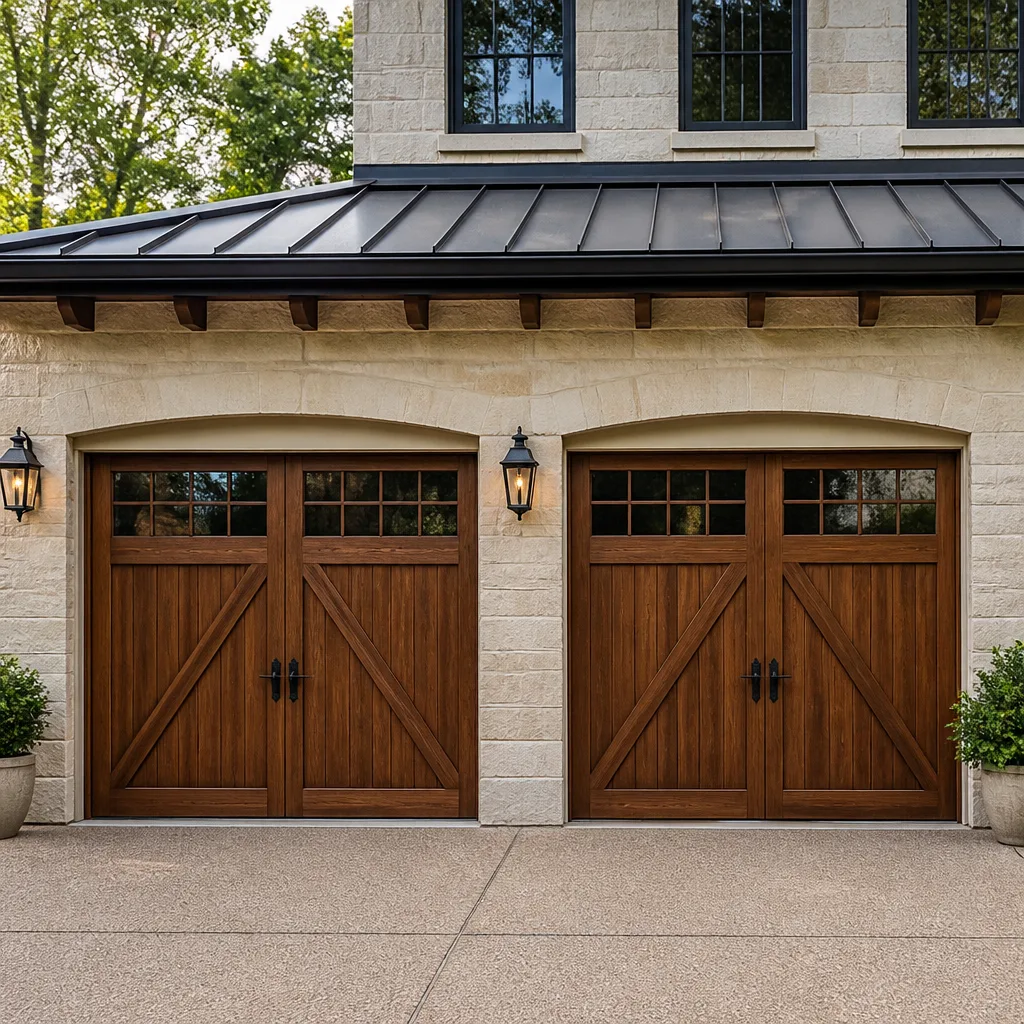 Carriage house
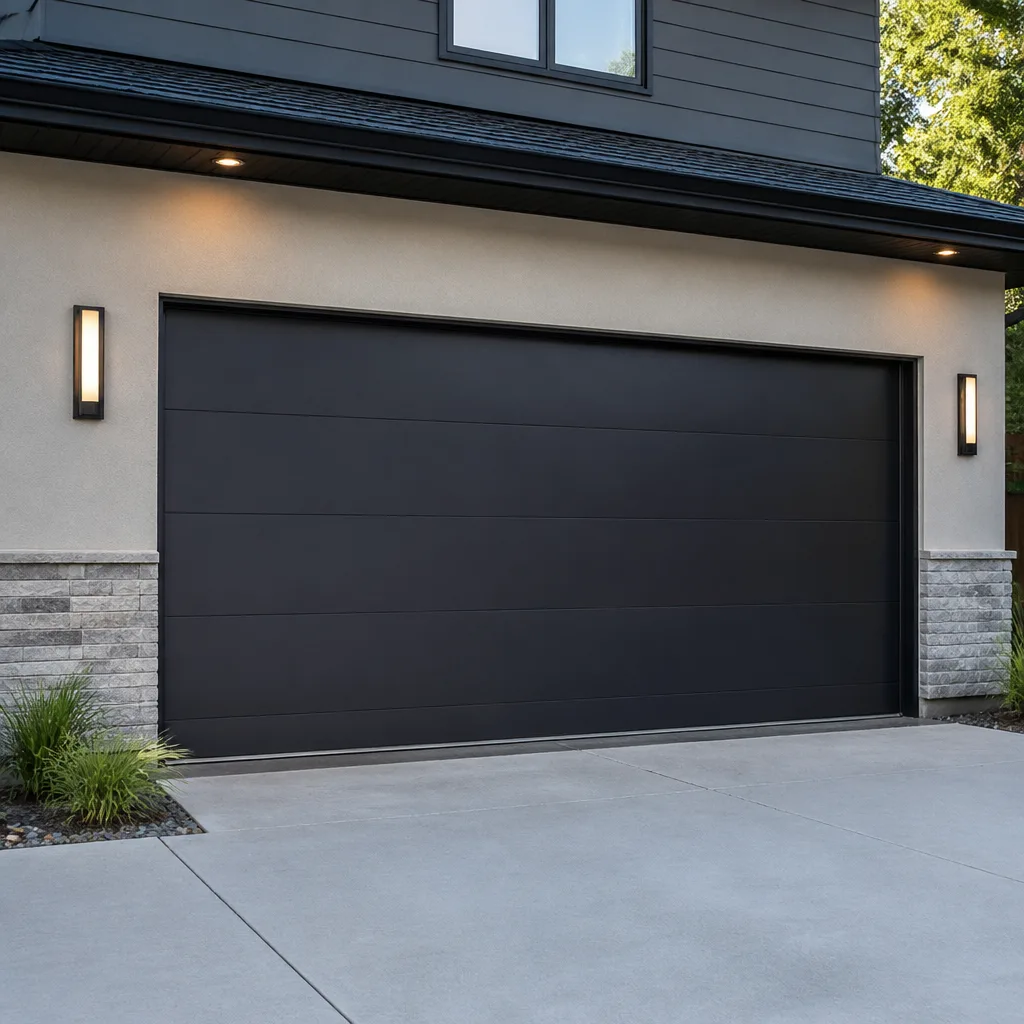 Modern flush
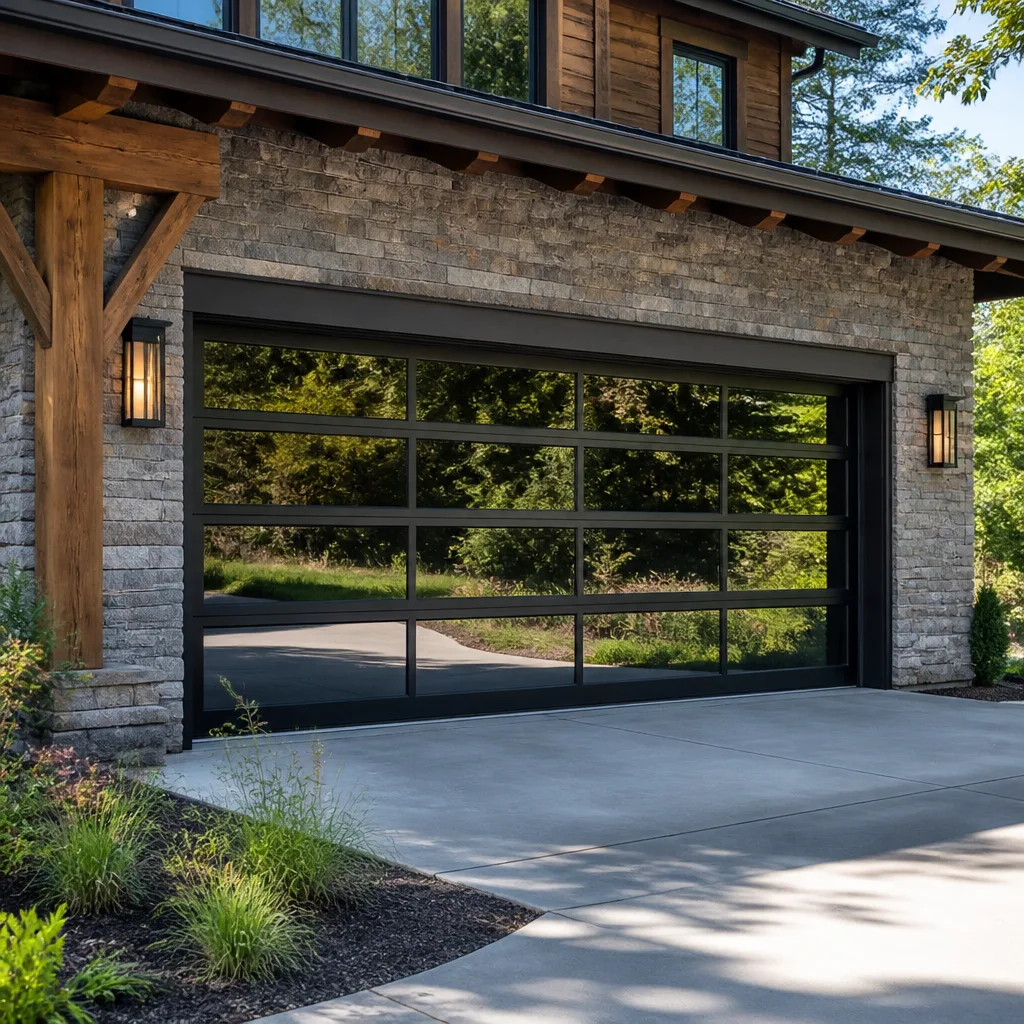 Full-view glass
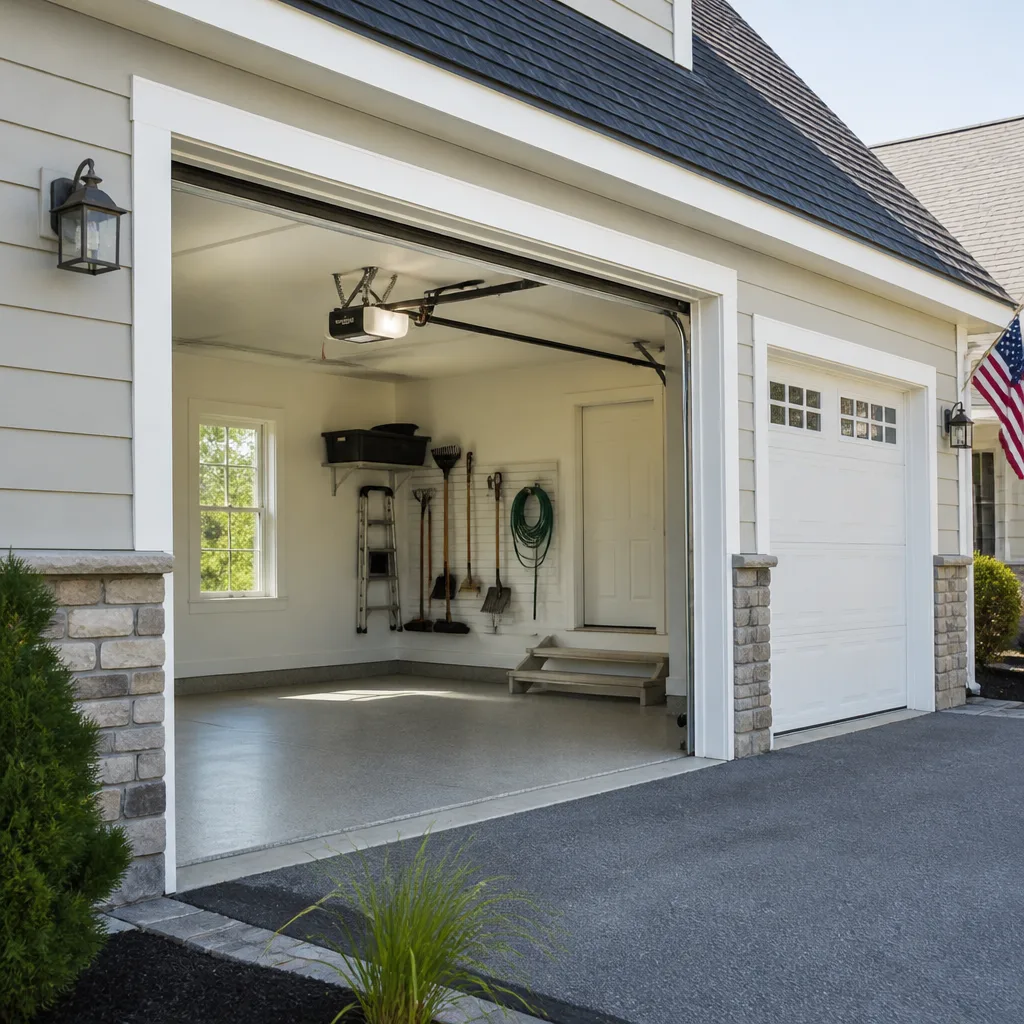 LiftMaster openers
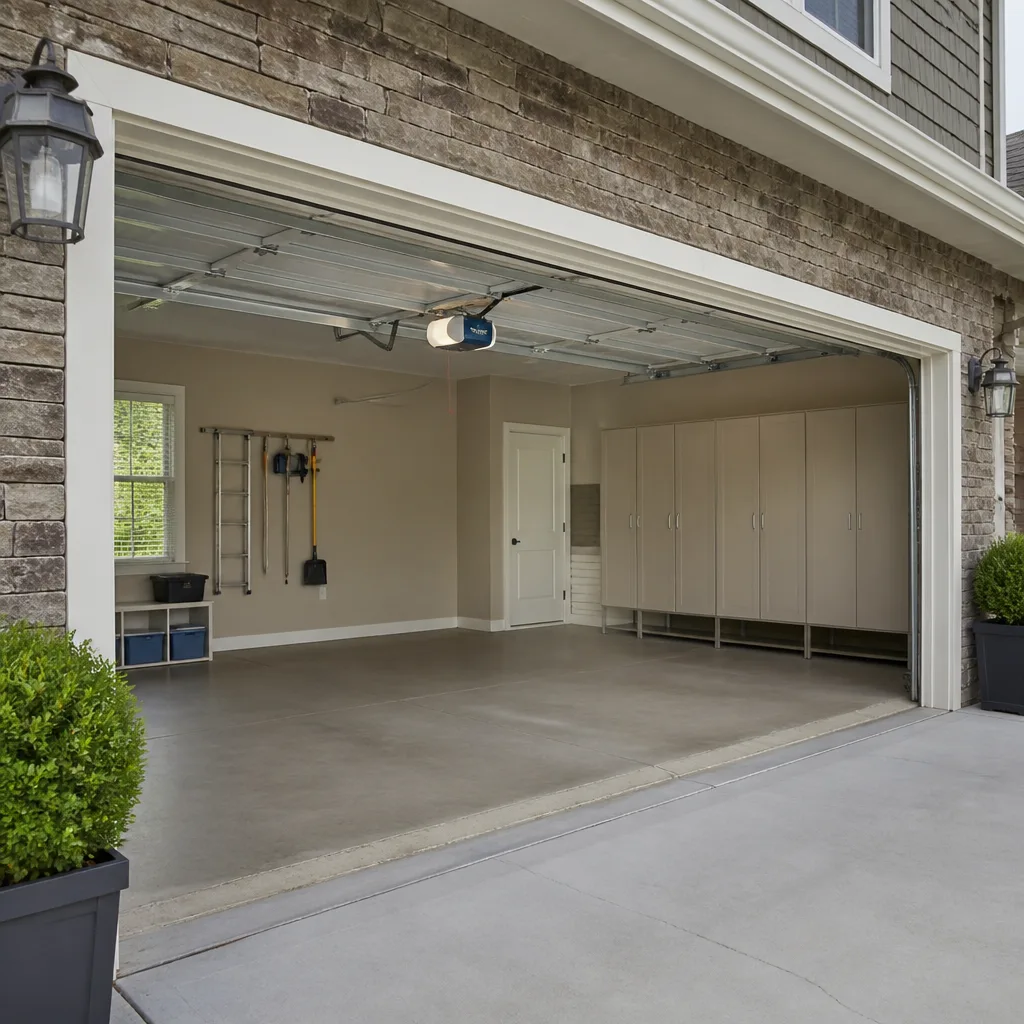 Chamberlain openers
Full 25-point door and opener safety check with every visit - springs, cables, rollers, tracks, and your LiftMaster or Chamberlain opener included
You get a price before we start. It does not change when the pro arrives.
Get your free estimateGarage Door Repair Maintenance Schedule: What to Do and When
Here’s what most maintenance advice gets wrong. Garage door springs don’t age like a roof or a water heater. They’re rated for a set number of cycles, not a number of years. Open and close your door four times a day and you’ll hit that limit in about seven years, whether you’ve touched the spring once or never. That one fact changes how you should think about maintenance. In this guide we’ll lay out a schedule built around cycles and St. Louis seasons rather than a generic monthly checklist, explain which lubricant goes on which part, and give you a printable pass/fail checklist you can stick on the wall. The goal is simple: catch the two most expensive failures, broken springs and dead openers, before they happen.
Quick Answer
A proper garage door maintenance schedule runs on four tracks: a monthly visual and balance check, a seasonal lubrication and tightening routine tied to St. Louis temperature swings, an annual full inspection of springs, cables, rollers and hinges, and a cycle-based replacement window for springs and cables. Most homeowners should lubricate every spring and fall, check the balance and safety reverse monthly, and replace springs based on cycle count rather than age. If you’d rather have a trained eye set the baseline, Landon Garage Door Repair handles the door and the opener together.
Styles & brands we work with
- Raised-panel steel
- Carriage house
- Modern flush
- Full-view glass
- LiftMaster openers
- Chamberlain openers
Table of Contents
- Why Garage Door Maintenance Runs on Cycles, Not the Calendar
- How to Calculate Your Door’s Approximate Cycle Count
- The Monthly Check: Five Minutes That Catch Most Failures
- The St. Louis Seasonal Routine: Spring and Fall
- Lubrication by Component: What to Use and What to Avoid
- Brand-Specific Maintenance Flags: Clopay, Amarr, and Your Opener
- The Annual Checklist With Pass/Fail Criteria
- When to Call a Professional
Why Garage Door Maintenance Runs on Cycles, Not the Calendar
Every torsion or extension spring on your door carries a cycle rating from the manufacturer. A cycle is one full open and close. That rating is the real lifespan, and it doesn’t care whether the door is five years old or fifteen. A household that opens the door twice a day and a household that opens it ten times a day can own identical doors and face wildly different spring timelines.
This is why a “once a year tune-up” calendar can lull you into a false sense of security. The annual service matters, but the component it protects most is the one wearing fastest. In a busy St. Louis household with kids and two cars, the door is often cycling six to ten times a day. Do the math over a few years and you’re moving toward a spring replacement window much sooner than a low-use household.
The same logic applies to cables. Cables don’t fail on a schedule, but they do fatigue with every cycle, and a worn cable is one of the reasons a spring job turns into an emergency. Sealed bearings on rollers and hinges also wear by movement, not time. Maintenance that doesn’t track usage is maintenance that guesses.
- Springs: rated in cycles, replaced at a cycle window, not a year.
- Cables: inspected for fraying and stretch, replaced when worn.
- Rollers and hinges: wear with movement, lubricated and replaced on condition.
- Opener: gears, belt or chain, and safety sensors, checked on a fixed annual cadence.
- Weather seal and panels: the only parts where season and climate drive the timeline.
That split is the whole idea behind this guide. Some parts you maintain on a calendar. Some you replace on a cycle count. The rest you inspect and decide.
How to Calculate Your Door’s Approximate Cycle Count
You don’t need a counter to estimate cycles. You need a rough number of daily open-and-close cycles and a start date. Multiply one by the other and you’ll land within a reasonable range of where your spring sits in its lifespan.
Step-by-step cycle estimate
- Count each full up-and-down as one cycle. An open and a close is a single cycle, not two.
- Estimate how many cycles your household runs on a typical day. Two cars leaving and returning, a quick errand, letting the dog out: many homes land somewhere between four and ten.
- Multiply that daily number by 365 to get an annual figure.
- Multiply the annual figure by the number of years the door has been in service since the last spring replacement (or since it was new).
- Compare the result against the cycle rating printed on the spring or stated by the manufacturer. When you’re past roughly 80 percent of that rating, it’s time to plan a replacement rather than wait for a break.
Run a household at six cycles a day and you’re at about 2,190 cycles a year. Over seven years that’s north of 15,000 cycles, and many standard springs are rated in that range. A household at two cycles a day takes well over a decade to reach the same point. Same door, same spring, very different timeline.
This is where an honest maintenance conversation starts. When we look at a door, the first question isn’t “how old is it” but “how much has it run.” That cycle count, paired with the spring’s rating, tells you whether you’re in the safe zone or planning a replacement. The written estimate then sets the price before any work begins.
The Monthly Check: Five Minutes That Catch Most Failures
Most failures announce themselves weeks before they break. A monthly five-minute walk-around is the cheapest maintenance you’ll ever do, and it’s where you catch a problem while it’s still a small repair.
The monthly routine
- Listen. Run the door and listen for grinding, squealing, popping or a chain that slaps. New sounds are early warnings.
- Watch the travel. The door should open and close smoothly and stop level. A door that pauses, jerks or reverses on its own needs a closer look.
- Test the balance. With the opener disengaged, lift the door to about halfway and let go. A well-balanced door stays put or drifts only slightly. A door that slams down has a spring problem.
- Test the safety reverse. Place a small object in the door’s path and close it. The door should reverse on contact. This is the single most important safety feature on the whole system.
- Check the safety sensors. Look for a steady indicator light on both sensors. A flickering light usually means they’re misaligned or the lens is dirty.
- Glance at the cables and springs. Look for fraying, kinks, gaps in a spring coil, or a gap where the spring has stretched. Don’t touch or adjust them; just note what you see.
- Look at the weather seal. Gaps at the bottom corners let rain, cold air and pests in.
None of this requires tools. It’s observation and a button press. The point is to catch the month when “a little noisy” turns into “won’t open.” In St. Louis, where spring and fall bring real temperature swings, those small changes show up fast.
If the monthly check turns up anything mechanical, a call to garage door repair is the right move before you touch the door again. We answer 24/7. Fast dispatch from 7am to 7pm, Sunday through Friday.
The St. Louis Seasonal Routine: Spring and Fall
St. Louis gives a garage door two distinct stress tests a year. Winter’s cold contracts metal and stiffens lubricant. Summer’s heat expands tracks and can make a tight door bind. The seasonal routine is built around both, and it’s where a St. Louis schedule earns its keep.
The spring routine (as winter loosens)
- Check spring tension and door balance first. A winter of cold contraction can leave a door feeling heavy. If it won’t hold halfway, that’s a spring issue, not something to force.
- Clear and inspect the tracks. Grit and debris from a wet winter collect in the track. Wipe and inspect for dents or misalignment.
- Wipe down the weather seal. Check for cracks and gaps at the bottom, and replace if the seal has hardened.
- Test the opener’s safety reverse and sensors. Cold can affect sensor alignment.
The fall routine (before the cold sets in)
- Lubricate before the cold stiffens parts. A door lubricated going into winter runs quieter and puts less strain on the opener.
- Tighten hardware. Roller brackets, hinges and the track bolts loosen over a summer of heat expansion. A quick pass with a wrench catches them.
- Inspect hinges and rollers for wear. Replace any roller that’s flat-spotted or any hinge that’s loose or bent.
- Check the door for a smooth, level close. Cold-weather binding shows up as a door that hesitates near the floor.
Two seasonal passes a year, tied to the temperature shift, do more for a St. Louis door than a dozen random checks. The climate isn’t harsh compared with a mountain town, but the swing from a cold snap to a warm spell is exactly what loosens hardware and stresses springs.
Lubrication by Component: What to Use and What to Avoid
“Use a lubricant” is advice that causes real damage, because the wrong product on the wrong part is worse than nothing. Different components want different products, and one common household spray does more harm than good.
What to use where
- Springs: a purpose-made garage door lubricant or a spray silicone. A light coat quiets the coils and reduces friction between them.
- Hinges and metal pivot points: a lithium or white grease, applied sparingly to the pivot points, not sprayed across the hinge.
- Rollers and metal roller stems: a few drops of light oil or silicone on the stems, not soaked.
- Tracks: nothing slippery. Tracks should be wiped clean and dry. Lubricant in a track attracts grit and can let the rollers skate out of line.
- Opener chain or screw drive: the manufacturer’s recommended lubricant, applied per the opener’s manual.
- Weather seal: a silicone spray to keep the rubber pliable and prevent cracking.
What to avoid
- Never spray WD-40 on springs or hinges. The standard WD-40 formula is a solvent and light oil, not a lasting lubricant. It cleans away the good grease, attracts dust and dries out, leaving the parts drier than before.
- Don’t grease the tracks. A greasy track collects grit and slows the door.
- Don’t over-apply. A thin, even coat on each part is enough. Excess drips onto panels and attracts dirt.
A common failure we see is a homeowner who sprayed everything with the same can and made the door noisier. Lubrication is a targeted job, and the components that benefit most, springs and hinges, are the ones people most often spray with the wrong product. If you’re unsure which product to use on your specific door and opener, the opener’s manual and the door maker’s documentation both name what’s approved.
Brand-Specific Maintenance Flags: Clopay, Amarr, and Your Opener
Not every door tells you the same way that it needs attention. Knowing the few brand-specific flags on your door and opener means you catch wear where it actually starts.
Clopay panels and seal checks
Clopay doors are common in St. Louis homes, and their steel panels want a specific look twice a year. Check the bottom seal and the perimeter weather seal for gaps and hardness, since a failed seal on a Clopay door lets water reach the bottom panel edge. Also look at the panel seams where sections meet; a loose or misaligned seam is a sign the hinges or rollers need attention, and it’s easier to fix a seam than a panel.
Amarr hinge inspection intervals
Amarr doors carry their weight on the hinge line, and hinges are where wear shows first. On the seasonal pass, inspect each hinge for looseness, cracks at the screw holes, and a bent knuckle. A hinge that’s working loose stresses the roller and the track, so a quick inspection twice a year heads off a bigger repair.
Opener maintenance and firmware updates
Your opener brand matters here. LiftMaster, Chamberlain, Genie, Craftsman and the rest have their own service intervals and their own smart-home integration. If you have a Wi-Fi-enabled opener, check for firmware updates through the manufacturer’s app or documentation, since a stale firmware version can cause connectivity and remote issues that look like a hardware fault. Check the safety sensors, the manual release, and the drive belt or chain tension on the annual pass. Newer openers with battery backup need the battery checked periodically too.
If your opener is misbehaving, garage door opener repair is a separate discipline from door hardware, and it should be treated that way. We work on LiftMaster, Chamberlain, Genie, Clopay, Amarr, Wayne Dalton, Craftsman and Raynor systems, and we diagnose the model in front of us rather than replacing it with something we’d rather sell. When the fix is a minor one, we say so.
Window and Doorway: How the Checklist Turns Into Repairs
The Annual Checklist With Pass/Fail Criteria
Here’s the copy-paste checklist. Each line has a clear pass/fail, so you know when a check turns into a repair call rather than a “keep an eye on it.” Print it, date it, and run it once a year in addition to the monthly and seasonal passes.
Annual garage door checklist
- Balance test: door holds at halfway when released. Fail: it drops, feels heavy, or won’t hold. Spring issue, call a pro.
- Safety reverse test: door reverses when it meets an object in its path. Fail: it keeps closing or doesn’t reverse on contact. Safety issue, stop using the door.
- Safety sensors: both sensors show a steady light and align. Fail: flickering, dead light, or door won’t close. Realign or call.
- Springs: intact coils, no gaps, no visible stretching or rust through. Fail: a gap, a broken coil, or a stretched spring. Don’t use the door.
- Cables: no fraying, kinks or slack. Fail: any frayed or slack cable. Stop using the door.
- Tracks: clean, straight, no dents or misalignment. Fail: bent track or a roller off its edge.
- Rollers and hinges: rollers round and free-turning, hinges tight and unbent. Fail: flat-spotted roller, loose or bent hinge.
- Weather seal: bottom seal intact, perimeter seals tight. Fail: gaps, cracks or hardness.
- Opener: smooth travel, correct belt or chain tension, firmware current. Fail: jerky travel, slipping chain, or connection drops.
- Hardware: all bolts and brackets snug. Fail: any loose or missing hardware.
Any “fail” on items 4, 5 or 2 is a stop-using-the-door situation. Springs and cables are under high tension, and a failure there can be violent. Never try to adjust, remove or re-tension a spring or cable yourself. That’s trained work with the right tools and the right precautions, and it’s not a job for a homeowner with a wrench.
Common Mistakes to Avoid
- Replacing one spring instead of the pair. Springs on the same door wear at the same rate. Replacing one leaves you back for the other soon, so most jobs replace the matched pair together.
- Spraying WD-40 on the springs and calling it maintenance. It strips the good lubricant, dries out, and can leave the door noisier than before. Use a purpose-made garage door lubricant or silicone.
- Greasing the tracks. A slick track looks helpful and isn’t. Grit sticks to the grease and the rollers lose their line.
- Waiting for the door to break before calling. A noisy door, a slow reverse, or a door that won’t hold halfway are all advance warnings. Fixing the warning is cheaper than fixing the failure.
- Forcing a heavy door by hand. A door that feels like it weighs twice as much as it should has a spring problem. Forcing it stresses the opener and the cables.
- Ignoring the opener because the door looks fine. A failing opener sounds like it’s working right up until it isn’t. Check the belt or chain, the sensors and the firmware on the annual pass.
- Trusting a generalist with a brand-specific part. A door from Amarr, Clopay or Wayne Dalton has its own hinge and panel details. When a technician doesn’t recognize the brand, the wrong part or the wrong adjustment is more likely.
See the difference
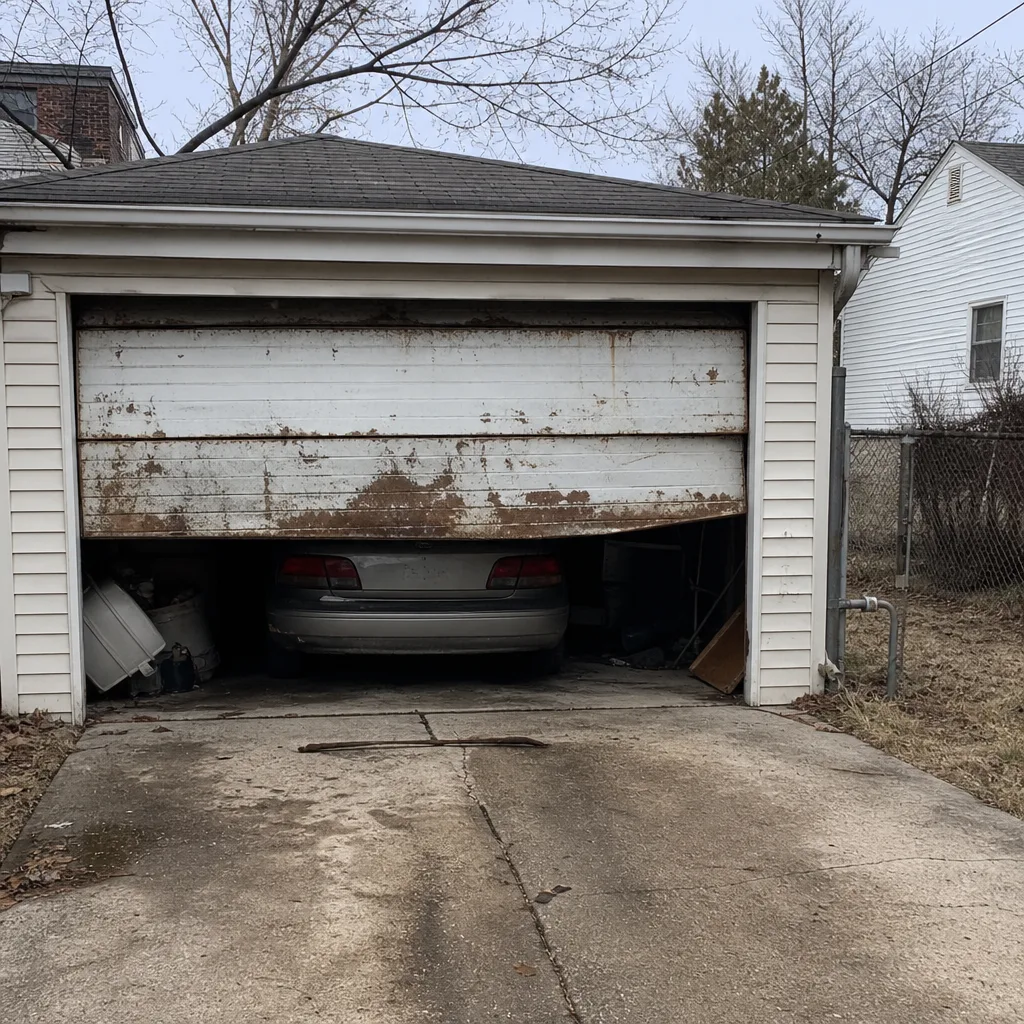 Before
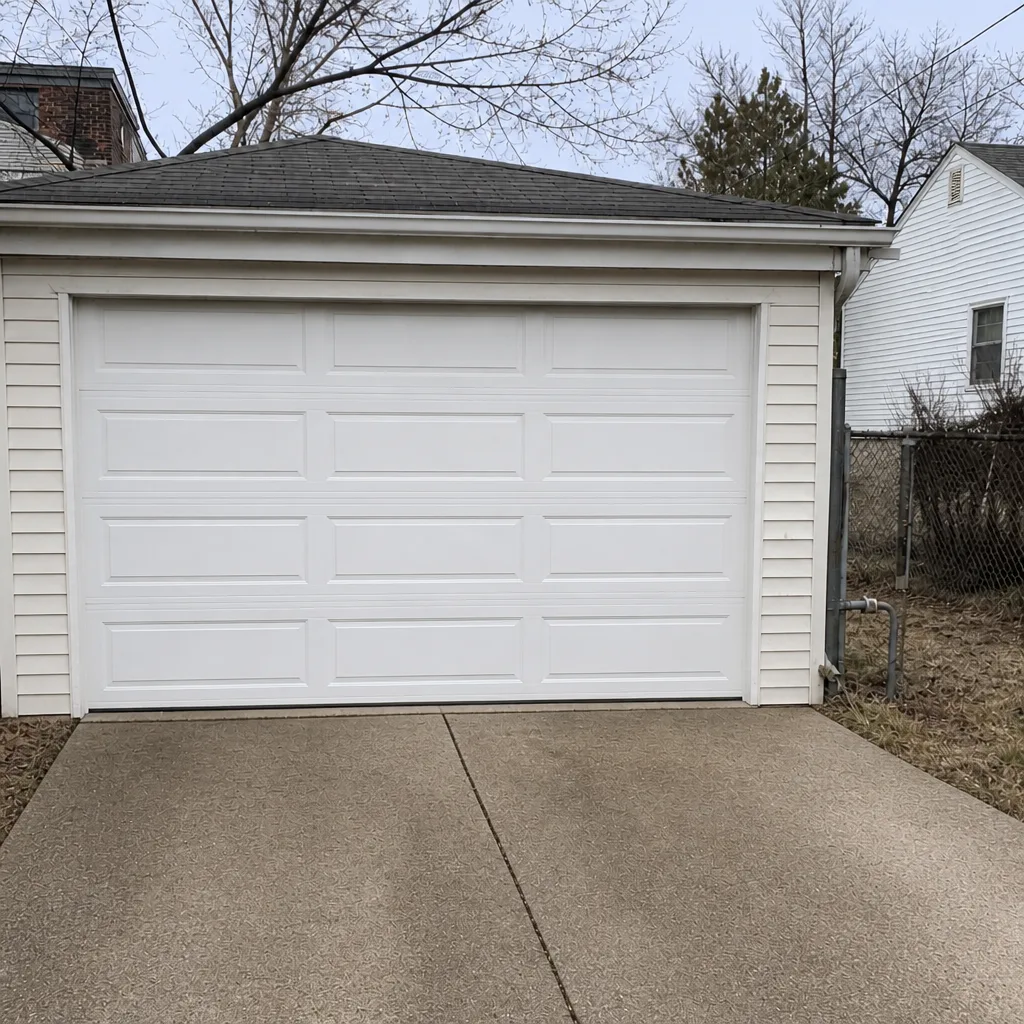 After
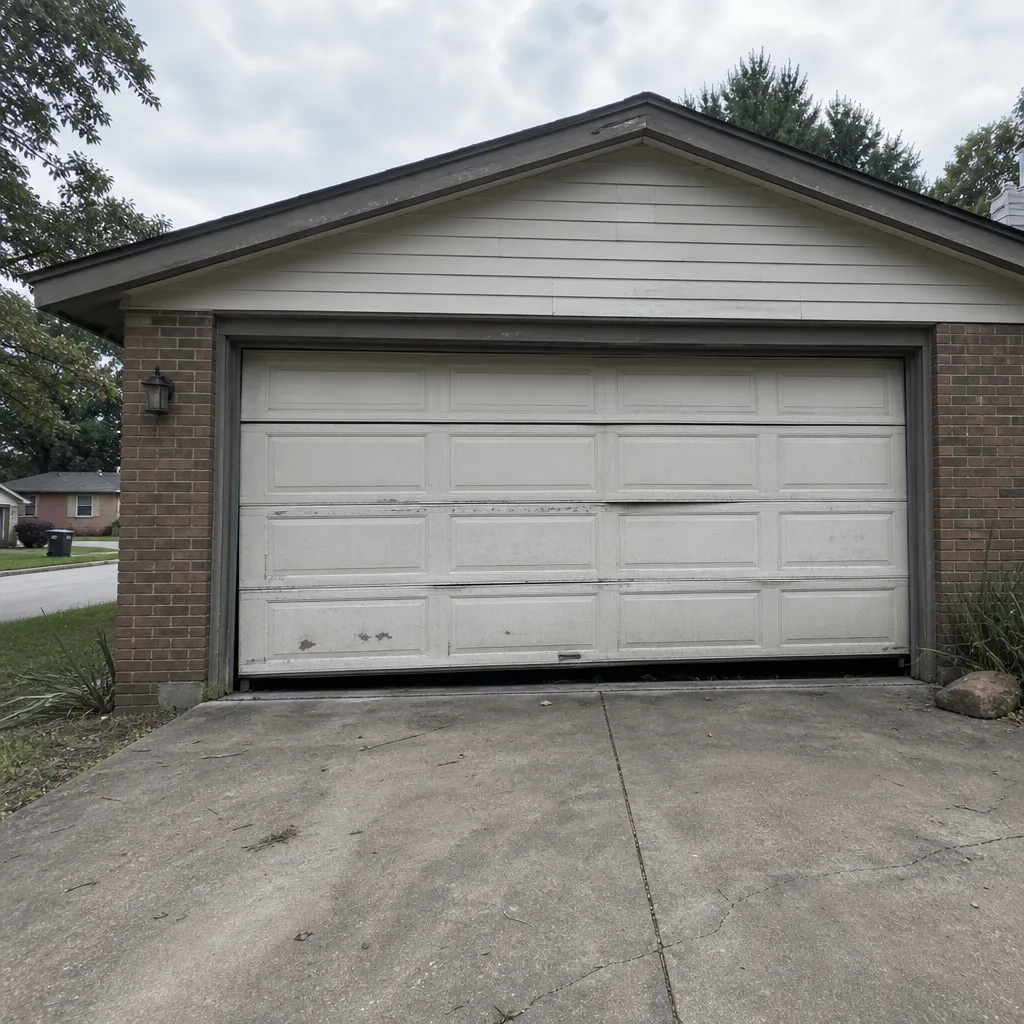 Before
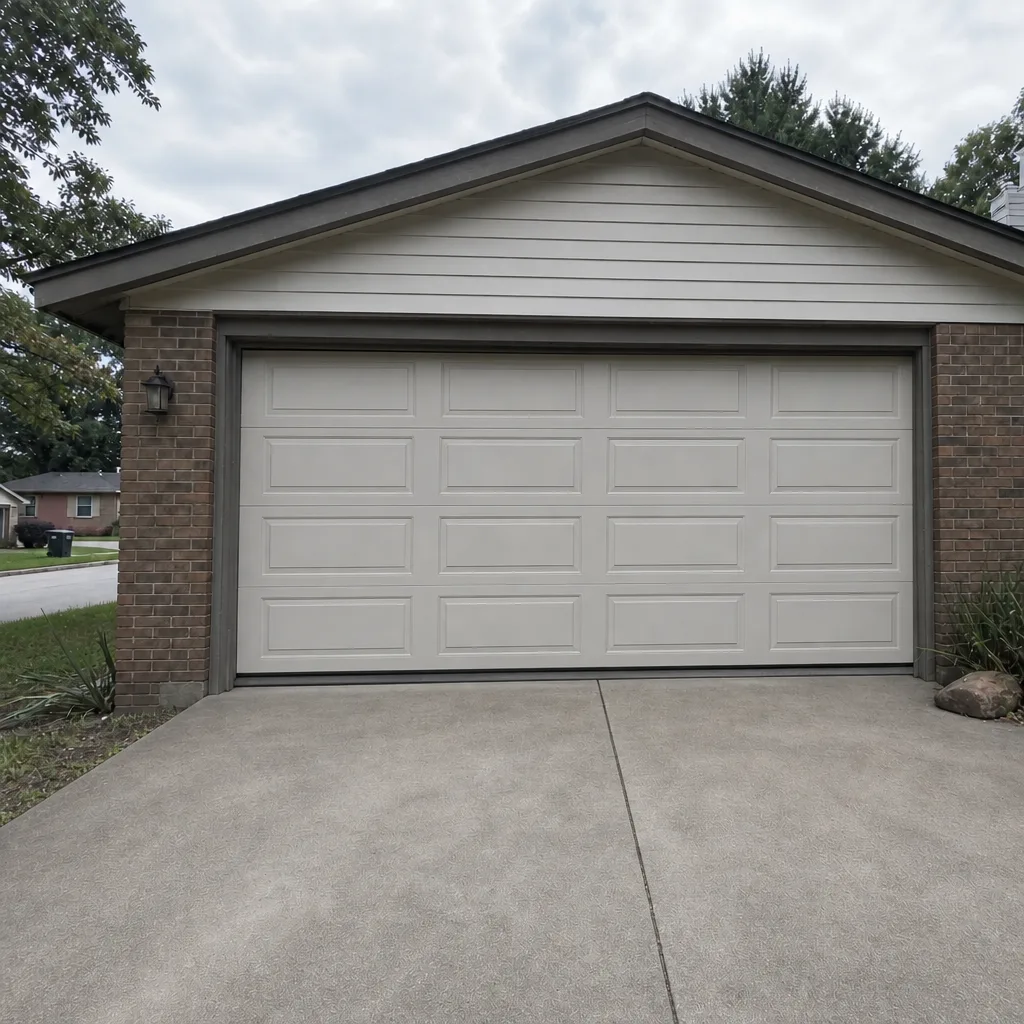 After
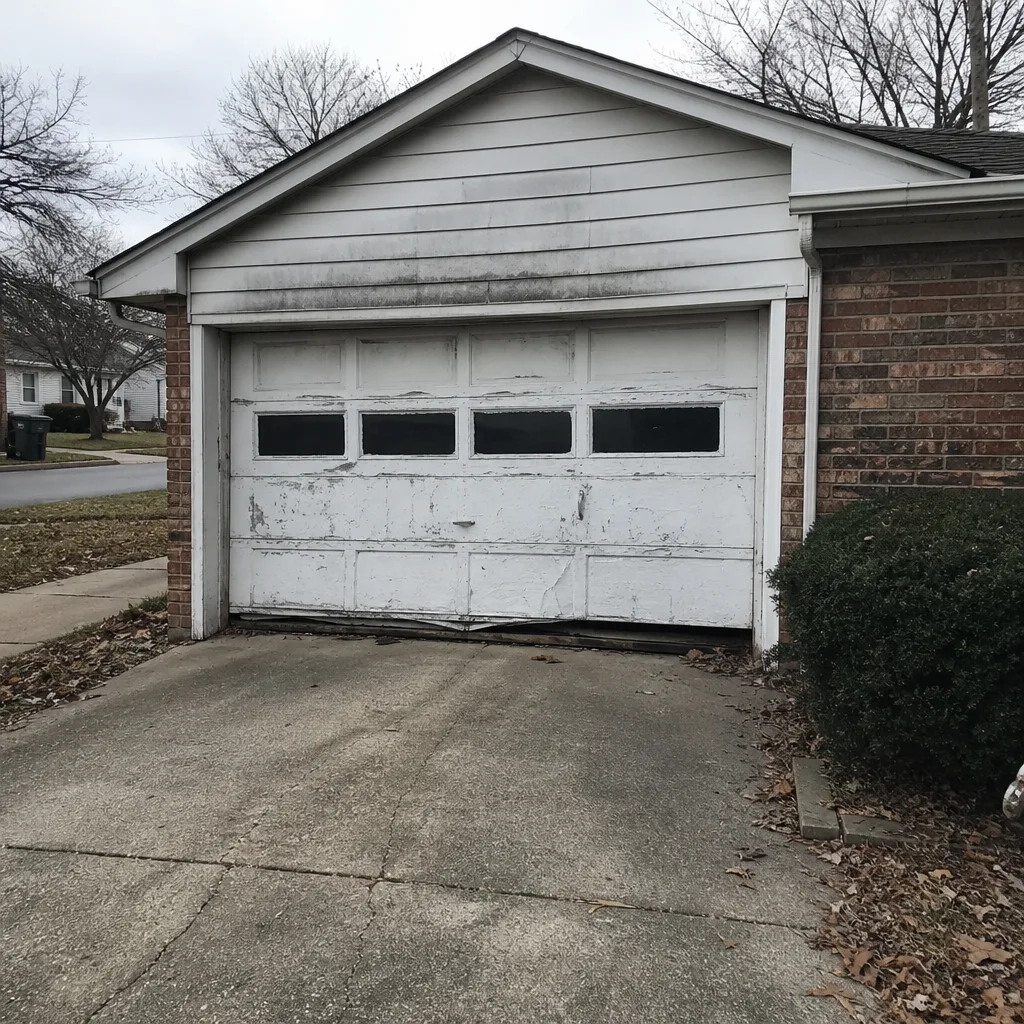 Before
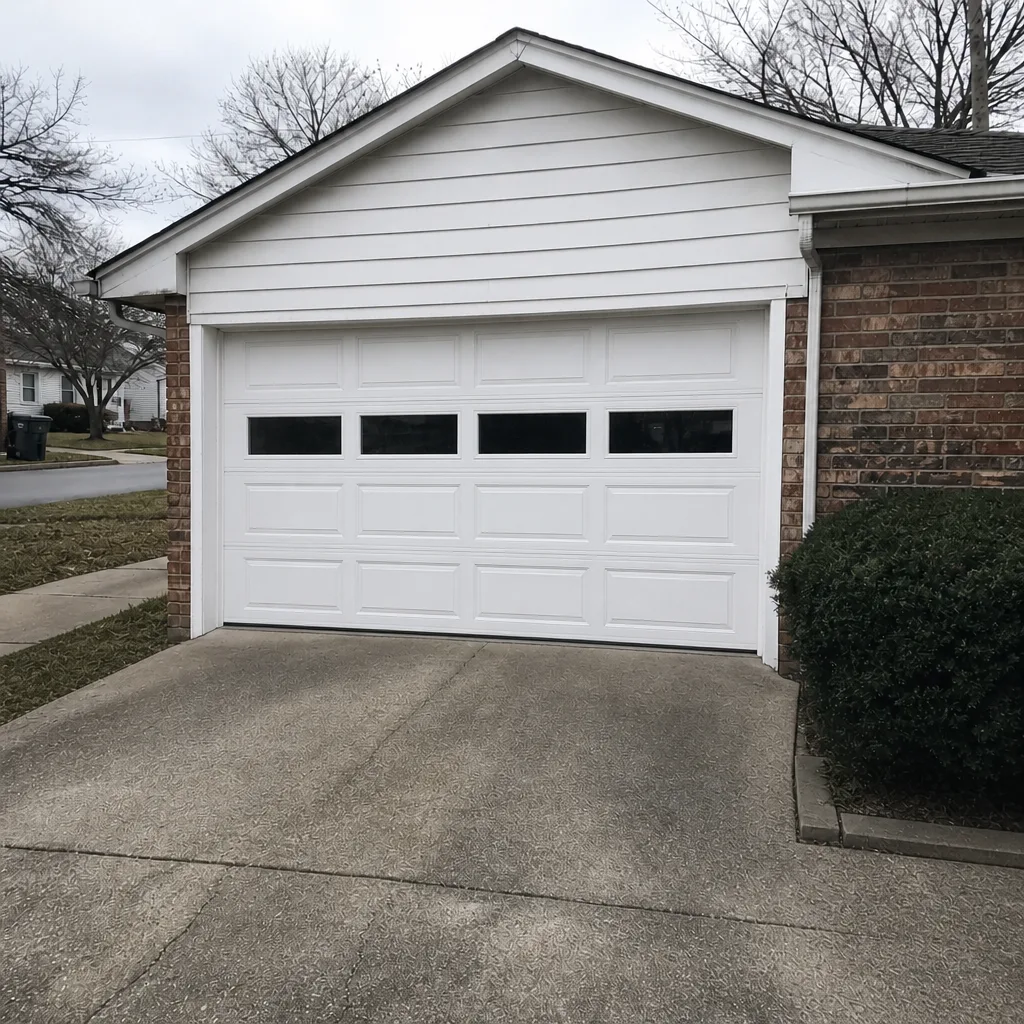 After
When to Call a Professional
Call a professional the moment a balance or safety test fails, when you hear a loud pop followed by a door that won’t lift, when a cable looks frayed or slack, or when a door binds, jerks or reverses on its own. Those are jobs for a trained technician, not a weekend project. A spring under tension can cause serious injury, so leave it to someone with the right tools and the right precautions. If your door or opener is behaving oddly but not failing outright, that’s also a good reason for a look, because early diagnosis keeps a small repair small. Landon Garage Door Repair offers free estimates in St. Louis. Call (866) 942-7683 and we’ll set a baseline on your door and opener together. Our technicians have up to 14 years of experience, and we work on what you already have.
Frequently Asked Questions
Book a full professional service once a year, run a five-minute visual and balance check monthly, and do a lubrication and tightening pass every spring and fall. Springs and cables should be planned around cycle count rather than a fixed number of years, since a busy household wears them faster than a quiet one. If the door gets heavy, noisy or slow to reverse, don’t wait for the annual service; call for a look sooner.
Springs last for a set number of cycles, not a set number of years. A household running about six cycles a day reaches a typical spring rating in roughly seven years, while a low-use household can go considerably longer. When a spring is past about 80 percent of its rated cycles, plan a replacement before it breaks rather than after. The written estimate sets the price before any work begins.
Use a purpose-made garage door lubricant or spray silicone on the springs and a small amount of white or lithium grease on the hinge pivots and roller stems. Wipe the tracks clean and leave them dry. Never spray standard WD-40 on the springs or hinges, and never grease the tracks, both of which cause more problems than they solve.
No. Springs and cables are under high tension and can cause serious injury if they slip or release while being handled. Adjusting, removing or re-tensioning either one calls for a trained technician with the right tools. If a spring breaks or a cable frays, stop using the door and call for a pro.
It depends on the job. Spring replacement, cable replacement, roller and hinge work, and opener repairs all carry different parts and labor, and the range for each depends on the door and the model. We give a written estimate before any work starts, so the price is agreed before we begin. Call us for a free estimate, and the number in the written quote is the price.
No. The mechanical door and the opener are two systems on the same job, and it makes sense to have both assessed together. We handle door hardware, springs, tracks and cables alongside opener repair and installation, so you’re not coordinating two companies for one problem. That’s the reason we treat opener work as its own service rather than an afterthought.
The Bottom Line
Good garage door maintenance runs on two clocks. The calendar handles the seasonal work: lubricate and tighten in the fall, check tension and seals in the spring, run the monthly balance and safety tests. Cycles handle the expensive parts: springs and cables wear according to how much the door runs, not how old it is. Check your opener’s firmware and drive on the annual pass, and know the brand flags on a Clopay, Amarr or Wayne Dalton door so wear gets caught at the hinge and seal. Do both, and you’ll catch the two big repairs, springs and openers, before they happen. If you want a St. Louis eye on the whole system to start, garage door repair and opener service are one call. Stop spraying WD-40, grease nothing in the track, and leave the springs to a trained hand.
Contact
If your annual check flags a problem, or you just want a starting baseline on the door and opener, call (866) 942-7683 for a free estimate. We serve homeowners across St. Louis and the surrounding area. We answer 24/7. Fast dispatch from 7am to 7pm, Sunday through Friday. From a worn hinge to a broken spring to a failing opener, the price is quoted and agreed before any work starts, and the fix is the right one, not the most expensive one. Door and opener, handled together.
Written by the team at Landon Garage Door Repair.