
Last updated November 16, 2026
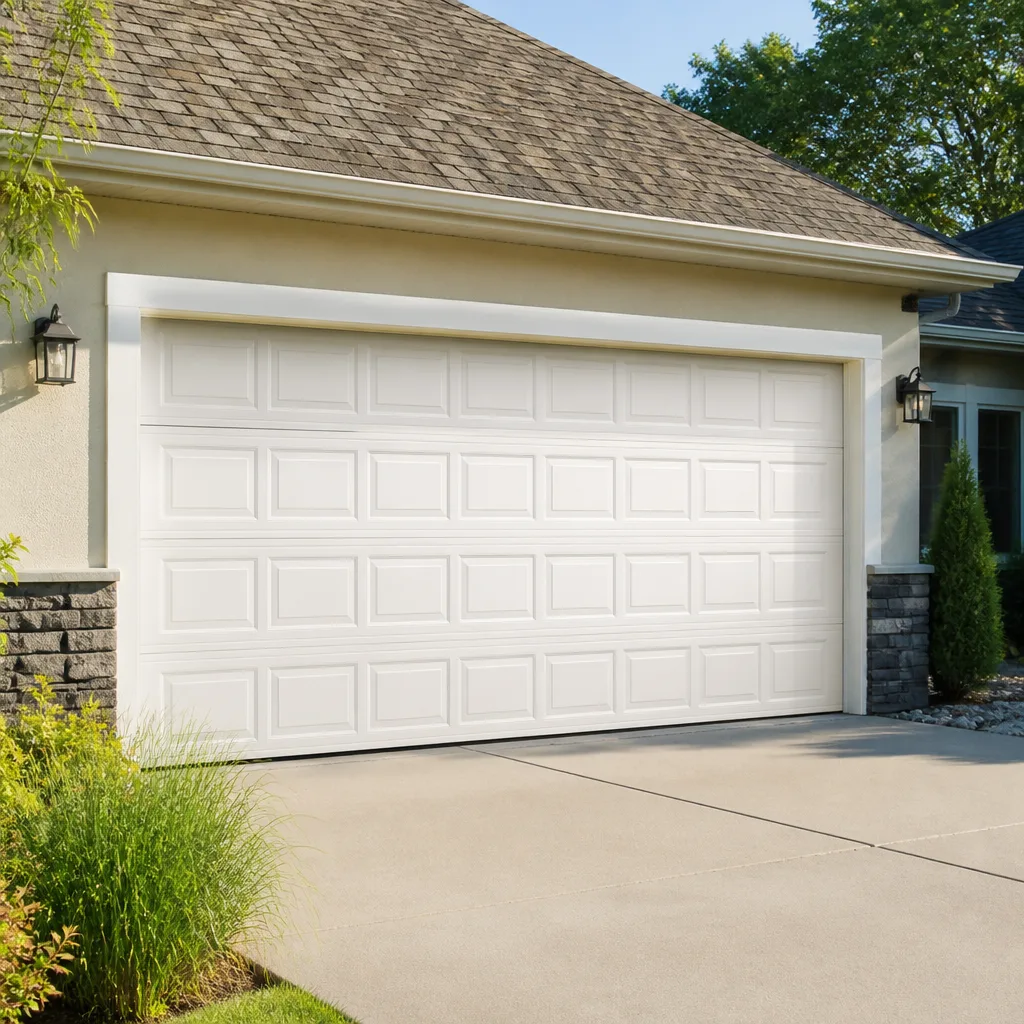 Raised-panel steel
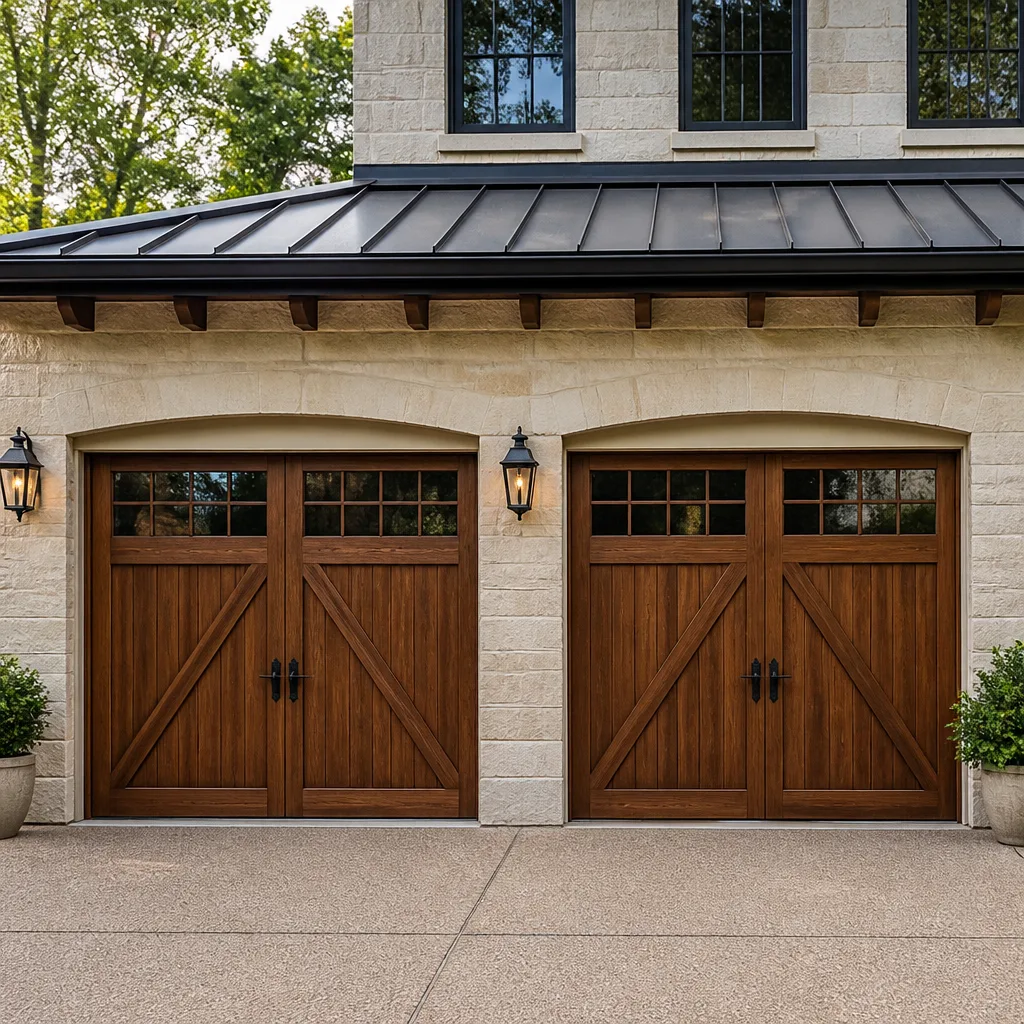 Carriage house
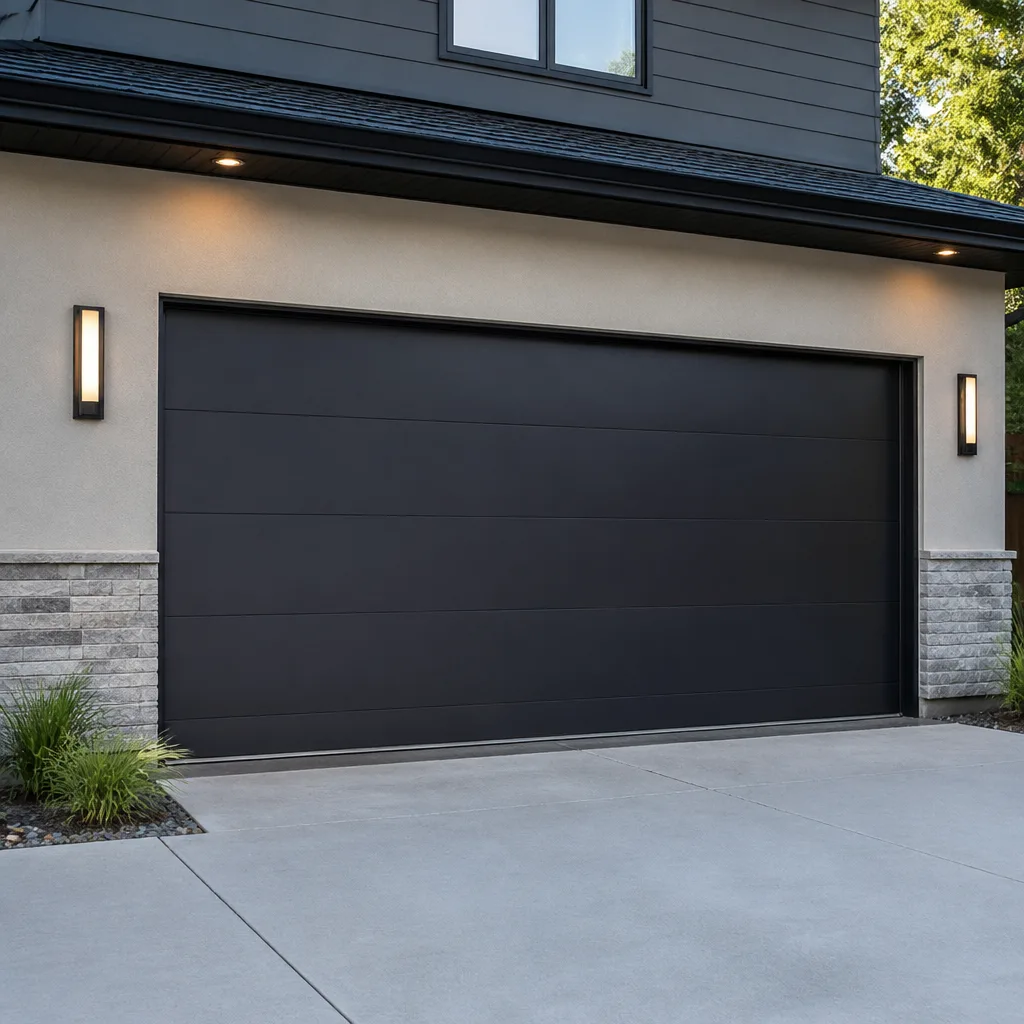 Modern flush
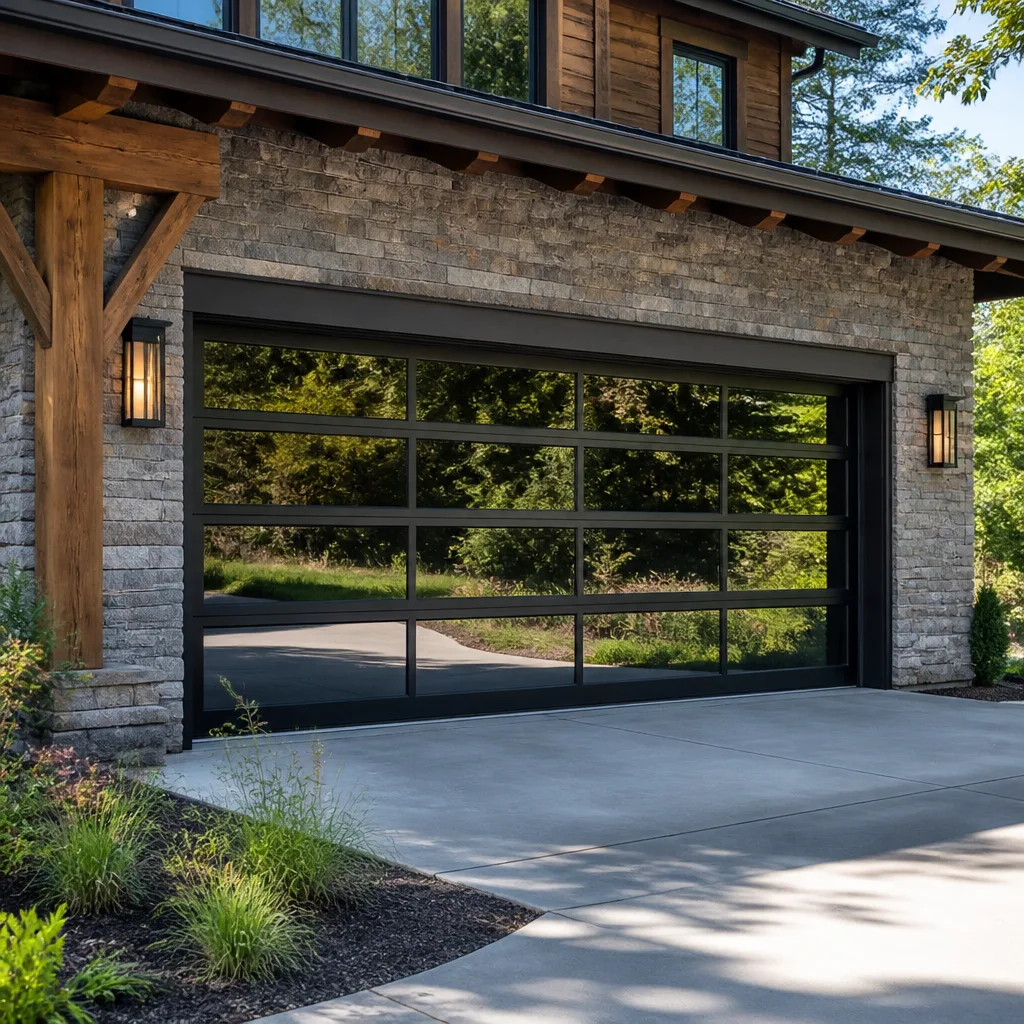 Full-view glass
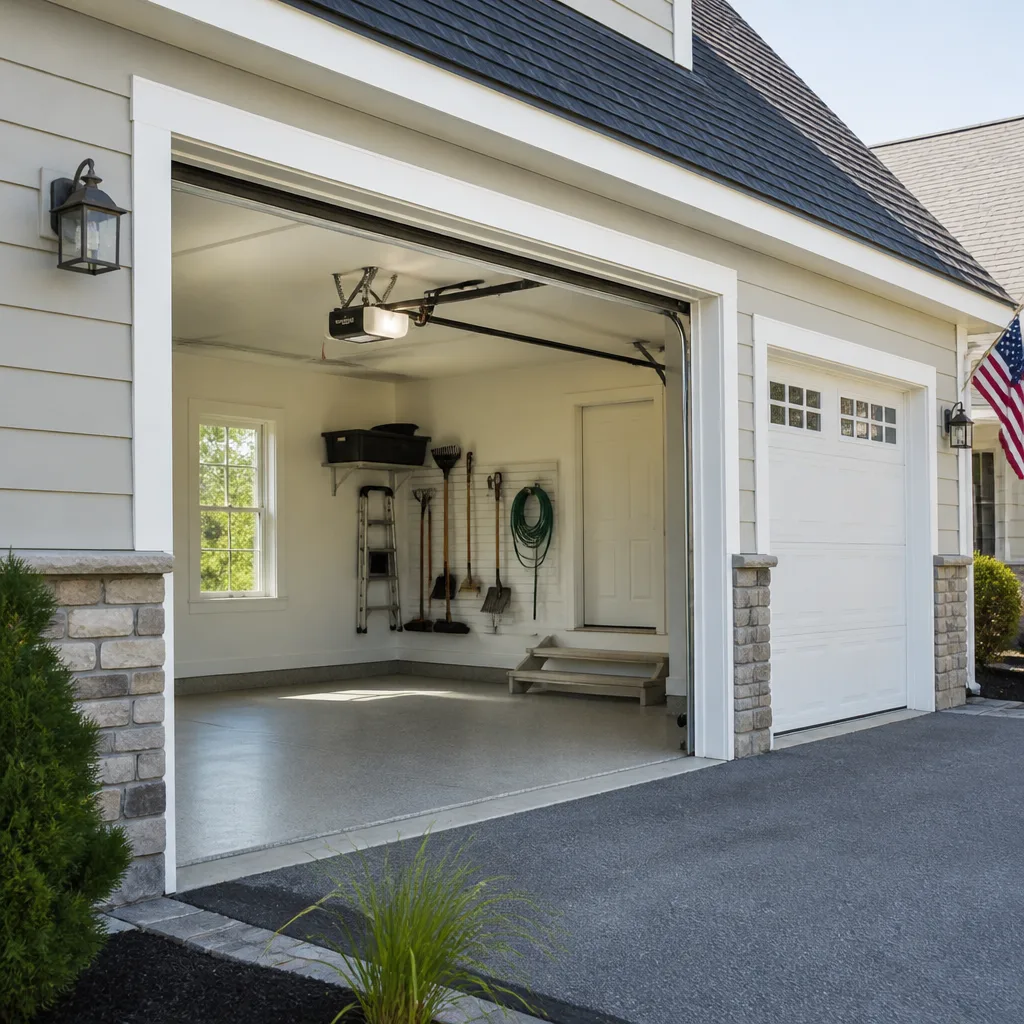 LiftMaster openers
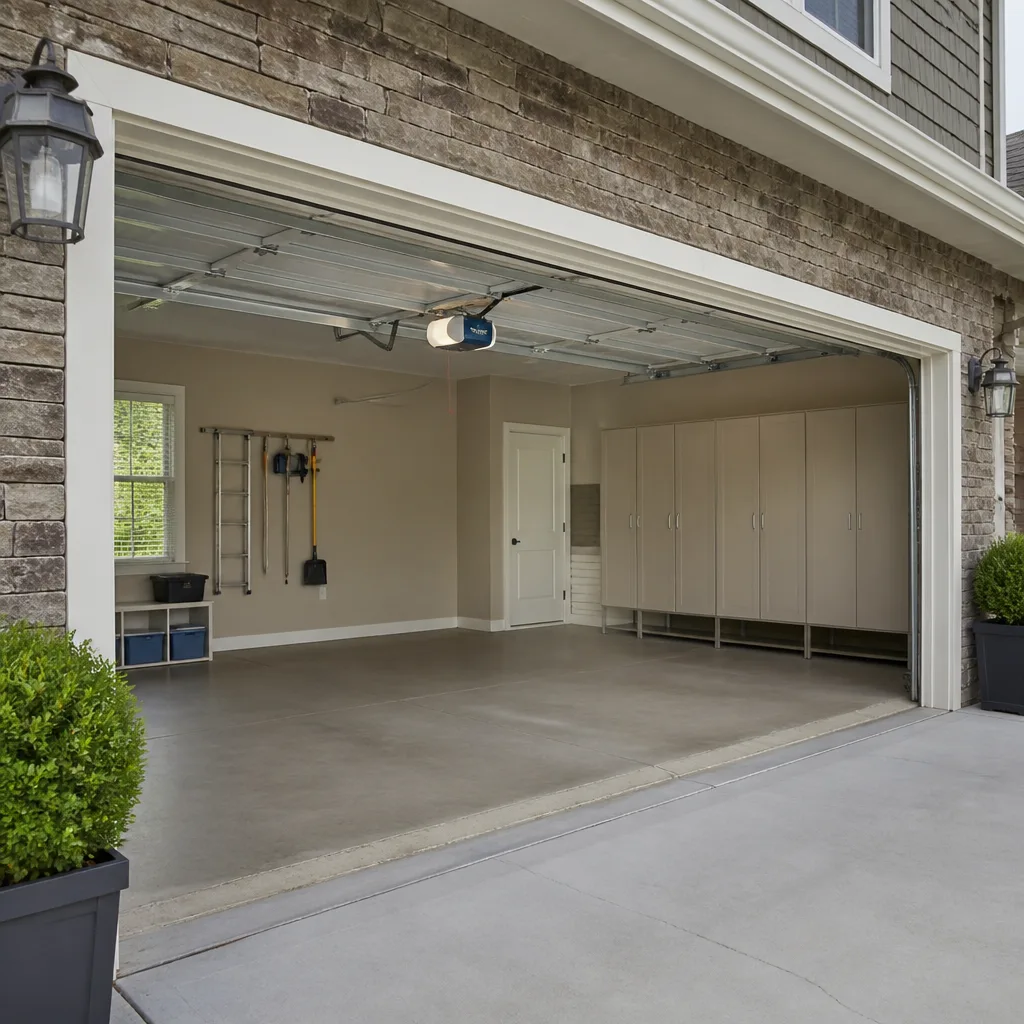 Chamberlain openers
Full 25-point door and opener safety check with every visit - springs, cables, rollers, tracks, and your LiftMaster or Chamberlain opener included
You get a price before we start. It does not change when the pro arrives.
Get your free estimateGarage Door Permits, Codes & Inspections in St. Louis, MO: What You Need to Know
Replace a door panel and you can usually skip the paperwork. Replace the full door system and change the opening width, and most St. Louis County municipalities want a permit before the first track goes up. That single distinction trips up homeowners and, frankly, some installers too. Get it wrong and the problem doesn’t surface on install day. It surfaces years later, at a home inspection, when a buyer’s agent asks for documentation you don’t have. This guide maps the real permit triggers across St. Louis city, St. Louis County, and the municipalities in between, explains how Missouri wind requirements shape door specs, and walks through the inspection step most homeowners skip. We work on what you already have, and part of that work is telling you when your project needs paperwork.
Quick Answer
In St. Louis, a garage door permit is usually required when you replace the full door system, alter the opening size, or change the structural framing around it. A like-for-like panel swap or a spring, roller, or opener replacement typically doesn’t trigger a permit. The catch is that permit authority is split: St. Louis City runs its own building department, unincorporated St. Louis County runs through the county, and municipalities like Chesterfield, Kirkwood, and Florissant each enforce their own rules. Always confirm with your city’s building department before work starts.
Styles & brands we work with
- Raised-panel steel
- Carriage house
- Modern flush
- Full-view glass
- LiftMaster openers
- Chamberlain openers
Table of Contents
- Who Issues Garage Door Permits in St. Louis?
- What Work Actually Triggers a Permit?
- What “Like-for-Like Replacement” Really Means
- How Missouri Wind Load Rules Affect Your Door Spec
- The Inspection Step Most Homeowners Skip
- How Unpermitted Work Shows Up at Resale
- Opener Codes: Safety Rules That Aren’t About Permits
- A Pre-Project Checklist for St. Louis Homeowners
Who Issues Garage Door Permits in St. Louis?
St. Louis is not one permitting authority. It’s dozens. A homeowner in the city answers to the City of St. Louis building department. A homeowner in unincorporated St. Louis County answers to the county. And a homeowner in Chesterfield, Kirkwood, Florissant, or any of the other incorporated municipalities answers to that city’s own building department, with its own forms, its own review timelines, and its own inspection process. This is the first thing to sort out, because it determines everything that follows.
Here’s how the split generally works:
- City of St. Louis: Governed by the city’s building department. Older housing stock in neighborhoods like Tower Grove, Shaw, and Benton Park means door replacements often involve non-standard opening sizes, which is exactly when permits come into play.
- Unincorporated St. Louis County: The county handles permitting and inspection directly. Subdivisions across South County and North County fall here.
- Incorporated municipalities: Chesterfield, Kirkwood, Florissant, Webster Groves, Ballwin, and others each run their own building department. A rule that applies in Kirkwood may not apply in Florissant.
What surprises people is how much the review process varies. Some municipalities review a residential permit quickly. Others route it through more steps. That’s why the timeline conversation should happen before you sign an installation contract, not after. When we quote a full door replacement in St. Louis, we build the permitting question into the estimate conversation, because the answer shapes the schedule.
The practical takeaway: before any full-door project, call your city’s building department and ask two questions. Does this scope require a permit? And what documentation do you need from the installer? Write down the answers, including the name of the person you spoke with. That note is worth more at resale than most homeowners realize.
What Work Actually Triggers a Permit?
The line between permitted and unpermitted work comes down to structure, not convenience. If you’re changing the opening, the framing, or the structural relationship between the door and the house, expect a permit. If you’re restoring the same door to working condition, you usually won’t need one. Here’s the breakdown most homeowners are looking for.
Work that typically requires a permit in St. Louis
- Full door system replacement where the opening width or height changes
- Any change to the structural framing, header, or rough opening
- Converting a manual door to an opener-driven system in some jurisdictions, particularly where electrical work is involved
- Enlarging or shrinking the garage opening, including converting a single door to a double
- New construction or an addition that includes a garage
Work that typically doesn’t require a permit
- Panel replacement on an existing door of the same size
- Spring, cable, roller, hinge, and track repair
- Opener replacement with a comparable unit
- Weather seal, bottom rubber, and trim replacement
- Remote and keypad programming
The one that catches people is the opener. In many St. Louis municipalities, swapping an opener for a comparable unit doesn’t need a permit, but adding new electrical service to the garage does, and that falls under electrical permitting rather than the garage door itself. If your project crosses that line, it needs a licensed electrician, and we’ll say so plainly rather than stretching our scope. Door and opener are handled together here, but we don’t touch your panel. That’s a safety line we don’t cross.
If you’re uncertain whether your scope is repair or replacement, the safest move is a quick call to your city’s building department with your address and a description of the work. Ask them directly. It takes five minutes and it protects you.
What “Like-for-Like Replacement” Really Means
You’ll hear “like-for-like” thrown around a lot in garage door sales, and it gets misused. Under local code, like-for-like means the replacement matches the existing door in size, configuration, and performance characteristics, so the structure of the home isn’t altered. It does not mean “any door that fits the opening.” A few salespeople stretch the term to cover a door that’s technically narrower, lighter, or a different material, and that’s where homeowners get exposed.
Here’s what actually counts as like-for-like:
- Same opening width and height, no framing changes
- Same general door type (sectional for sectional, for example)
- Comparable weight and wind-load performance for the location
- Same number of sections and comparable panel configuration
And here’s what doesn’t:
- A door sized to fit because the installer trimmed the opening
- A lighter door substituted for a heavier rated door without checking wind load
- Adding a window row or changing panel layout where it affects structural rating
- Any project where the rough opening had to be altered to make the new door fit
Why does this matter in St. Louis specifically? Because the housing stock is old and varied. A home in Kirkwood built decades ago might have a door opening that doesn’t match today’s standard sizes, and a technician who’s trying to save time might suggest “adjusting” the framing to fit a stock door. That adjustment is a structural change. Under most municipal codes in St. Louis, that turns a simple replacement into a permitted project. If someone proposes modifying your opening, ask whether they’re pulling a permit. The answer should be yes, or the project should be redesigned around a custom-sized door.
When we quote a new installation, we measure first. If a stock size fits the opening cleanly, it’s like-for-like and the permitting conversation is usually simple. If it doesn’t, the honest answer is that you’re doing structural work, and that changes the scope. The right fix isn’t the most expensive one, but it also isn’t the one that skips the paperwork.
How Missouri Wind Load Rules Affect Your Door Spec
Garage doors in St. Louis need to resist wind pressure, and the requirement scales with where you are. Much of the St. Louis region sits in a zone where wind speeds are taken seriously in residential construction, and the local building code enforces a design wind pressure that a door has to meet. If you’re replacing a door, the permit reviewer will want to see that the new door’s rating meets or exceeds that pressure. If you’re repairing panels on an existing rated door, that rating should be preserved.
What this means in practice:
- Ask your installer for the door’s wind-load rating in writing. It should be on the product documentation.
- Check that the rating meets what your municipality requires for your address. Your city’s building department can tell you the number they’ll expect.
- Make sure the reinforcement hardware (struts, hinges, and heavier track) matches the rated door. A rated door mounted on standard hardware loses some of that rating.
- Keep the documentation. The manufacturer’s spec sheet and the permit record together are what you show at resale.
What this doesn’t mean is that every home needs a storm-rated door. It means that whatever door goes in has to be rated appropriately for the wind pressure that applies to that address. A stock door from a big-box store is often perfectly adequate for a St. Louis residential garage, provided it carries the right rating for the location. The failure point is when a door with no documented rating gets installed and nobody checks. Then at resale, there’s no paper trail, and the next buyer’s inspector notices.
This is one area where brand familiarity helps. Doors from Clopay, Amarr, Wayne Dalton, and Raynor all come with published wind-load ratings, and being able to read those specs correctly is the difference between a compliant install and a mystery. We work with these systems regularly, and we’ll flag a rating mismatch before the door is ordered rather than after.
The Inspection Step Most Homeowners Skip
After a permitted install, the municipality will send an inspector to look at the work. Most homeowners don’t know this step exists, and a few actively avoid it because they don’t want to think about anything after the door is on. Skipping the inspection means the permit stays open, and an open permit is worse than no permit at all. It signals to a future buyer that something was started and never closed.
How the inspection usually goes:
- Final inspection request: After the door is installed, the installer (or you) requests the final inspection from the municipality.
- Inspector visit: The inspector checks the door’s attachment, the rough opening, the door rating documentation, and the permits against the scope of work.
- Sign-off and documentation: Once passed, the permit is closed and the record is filed. That record is what a future buyer or their agent finds when they search the property.
What inspectors typically look for: that the door is properly anchored to the framing, that the rated door matches the approved drawings, that the safety features are present (more on that in the next section), and that the scope matches what was permitted. If you permitted a full replacement and the installer only swapped panels, that’s a mismatch. If you permitted a like-for-like replacement and the opening was widened, that’s also a mismatch. Either one can fail the inspection and force remediation.
Here’s the detail most homeowners miss: the inspector doesn’t just check the door on install day. They check the paper trail. That’s why we tell customers to keep every document the installer hands them, from the manufacturer’s spec sheet to the permit number to the inspection pass slip. The whole package is what protects you.
For a St. Louis homeowner, the resale math is straightforward. A closed permit with a passing inspection adds a documented, verified fact to your property’s history. An open permit subtracts value and invites questions. It costs you nothing extra to request the inspection; it costs a real amount to remediate it later.
How Unpermitted Work Shows Up at Resale
The real estate transaction is where unpermitted garage door work becomes expensive. It rarely comes up at the moment of the sale of the door itself. It comes up months later, when a buyer’s inspector runs permits against the property and finds either a missing permit for structural work or an open permit that was never closed. At that point, a deal can stall while the seller scrambles to sort it out.
Here’s how it tends to show up:
- Disclosure questions: Missouri’s seller disclosure form includes a section on improvements. If you replaced the full door system and the disclosure says “no structural alterations,” and the permit record shows a door installation, that inconsistency needs explaining.
- Buyer’s inspection findings: Inspectors flag structural alterations without a permit. A door replacement that changed the opening, or modified the framing, is exactly the kind of thing they check.
- Open permits in the history: A permit pulled but never closed shows up as an open record. That’s a red flag to a buyer’s agent regardless of the door’s condition.
- Retroactive permitting: Sometimes the path forward is applying for a permit after the fact, which can involve opening walls, getting the work inspected, and paying current fees plus possible penalties.
The remediation cost depends on what was done. A like-for-like replacement that just never got permitted is usually straightforward to sort out. A structural alteration that bypassed a permit requires more careful work to demonstrate the installation was done to code. Neither outcome is catastrophic, but both are avoidable. If you’re selling a St. Louis home and you’re unsure whether a past door replacement was permitted, that’s worth checking before the buyer asks.
If you’re buying a home, here’s a question worth asking the seller’s agent: was the garage door ever replaced, and was that replacement permitted? The answer should be easy for the seller to produce. If it isn’t, that’s information.
Opener Codes: Safety Rules That Aren’t About Permits
A garage door permit and a garage door safety code are different things, and confusing them can lead a homeowner to skip a step that doesn’t involve the building department at all. The most important safety feature on any residential garage door is the auto-reverse mechanism. If the door contacts something while closing, it should reverse. If the door can’t detect contact, the feature is either missing or failing, and that’s a safety issue regardless of permit status.
What to check rather than how to fix it:
- Photo-eye sensors: The small eyes at the base of the track should be aligned and functioning. Wave your hand between them while the door closes and see if the door reverses.
- Force sensitivity: Place a small obstruction (a roll of paper towels works) under the door and see if it reverses on contact. If it doesn’t, stop testing and call for service.
- Wall-mounted control: The button should be high enough that a child can’t reach it.
- Age of the opener: An older opener without functioning sensors should be evaluated by a technician.
If the sensors aren’t working or the door doesn’t reverse, that’s a repair call. And here’s where the safety caveat matters: the door’s springs and cables are under high tension and can cause serious injury if handled improperly. Don’t try to inspect, adjust, or replace the springs yourself. That’s a job for a trained professional, and it’s the reason we include safety inspection in every repair visit.
For openers specifically, this is where brand familiarity pays off. LiftMaster and Chamberlain units are widely installed in St. Louis homes, and their logic boards and sensor wiring differ from, say, a Genie or a Craftsman. A technician who knows the specific system diagnoses the actual failure rather than swapping parts. That’s the difference between a fix and a re-do.
A Pre-Project Checklist for St. Louis Homeowners
Before any garage door project in St. Louis, walk through this list. It takes ten minutes and it prevents the two most common problems: an unpermitted structural change and an open permit at resale.
- Confirm your jurisdiction. Know whether you’re in the City of St. Louis, unincorporated St. Louis County, or an incorporated municipality. The permitting authority follows from that.
- Describe the scope in writing. Full door replacement, panel swap, opener replacement, or structural change. Know which one applies before you call.
- Ask your city’s building department two questions. Does this scope require a permit? What documentation will you need from the installer?
- Get the wind-load rating in writing. Along with documentation showing it meets your municipality’s requirement.
- Confirm the installer’s approach to permitting. Who pulls the permit, who requests the final inspection, and who hands you the paperwork at the end?
- Keep everything. Permit number, inspection pass slip, manufacturer spec sheet, and the written estimate. Store it with your property records.
- Check the safety features before you sign off. Photo-eye sensors and auto-reverse should function. If they don’t, don’t accept the job as complete.
If you’re in Chesterfield or Kirkwood and the door opening matches a stock size, you’re likely in like-for-like territory. If you’re in a Tower Grove bungalow with a non-standard opening, plan for a more involved scope. Knowing which side of the line you’re on before the technician arrives saves time and prevents surprises.
Common Mistakes to Avoid
- Assuming a full replacement is like-for-like. A full door system on a new opening width is not like-for-like, and treating it as though it is can leave you with an unpermitted structural change that surfaces at resale.
- Skipping the building department call. Rules in St. Louis vary by municipality, so a neighbor’s experience in Ballwin doesn’t tell you what applies in Florissant.
- Trusting a verbal promise on permits. Ask for the permit number in writing and confirm it was pulled before work starts.
- Ignoring the final inspection. An open permit is a worse outcome than no permit, because it signals an unfinished process to a future buyer’s agent.
- Ordering a door without a documented wind-load rating. A door with no spec sheet is a question mark at inspection.
- Letting an installer “adjust” the rough opening for a stock door. That adjustment is a structural change and it changes the permitting picture.
- Tossing the paperwork. Keep the manufacturer’s spec sheet, the permit record, and the inspection slip together in one folder.
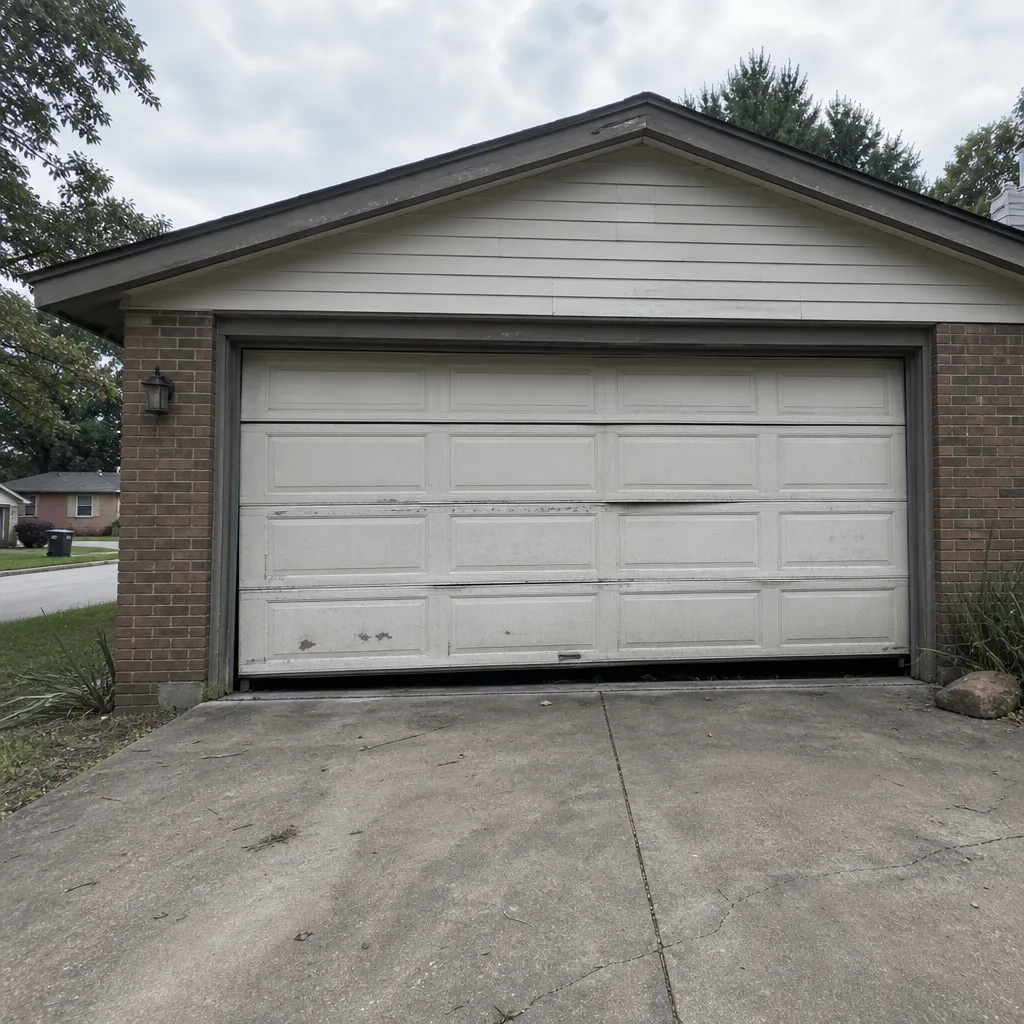
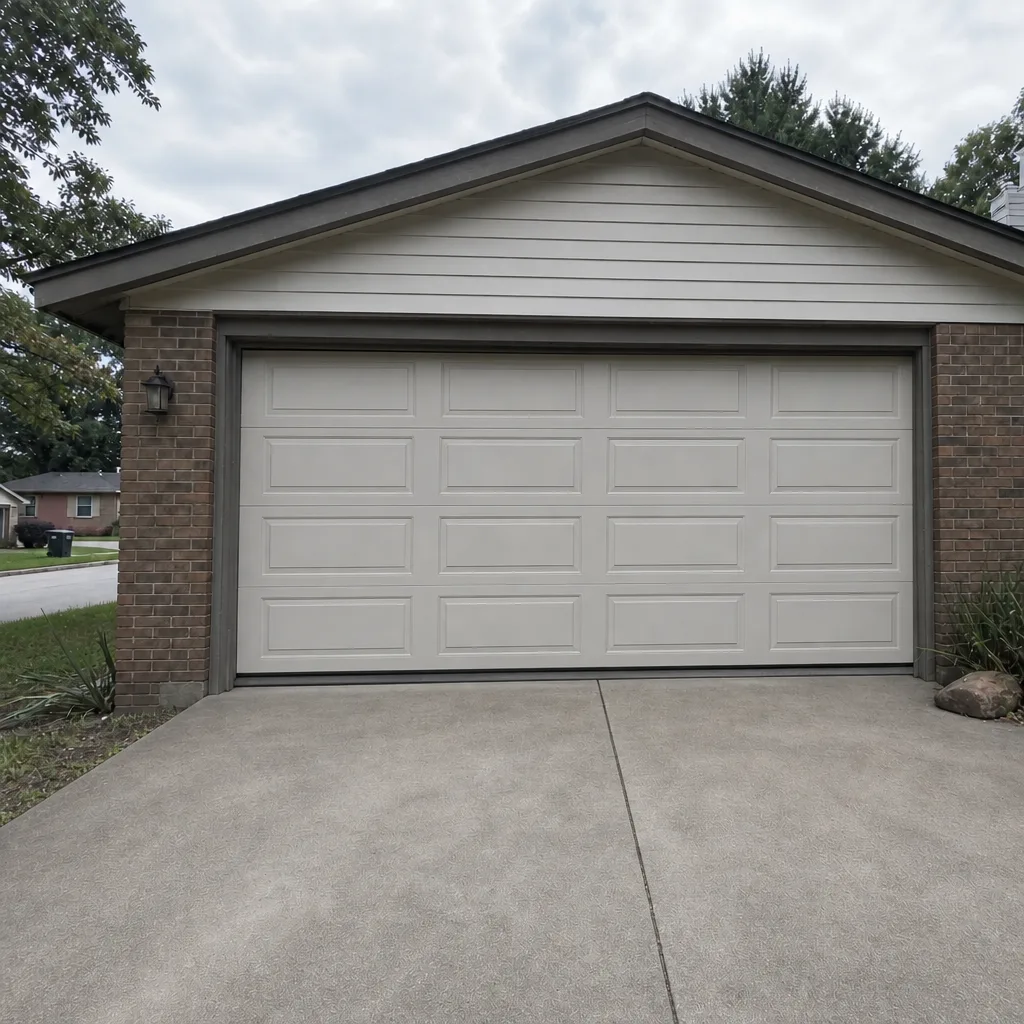
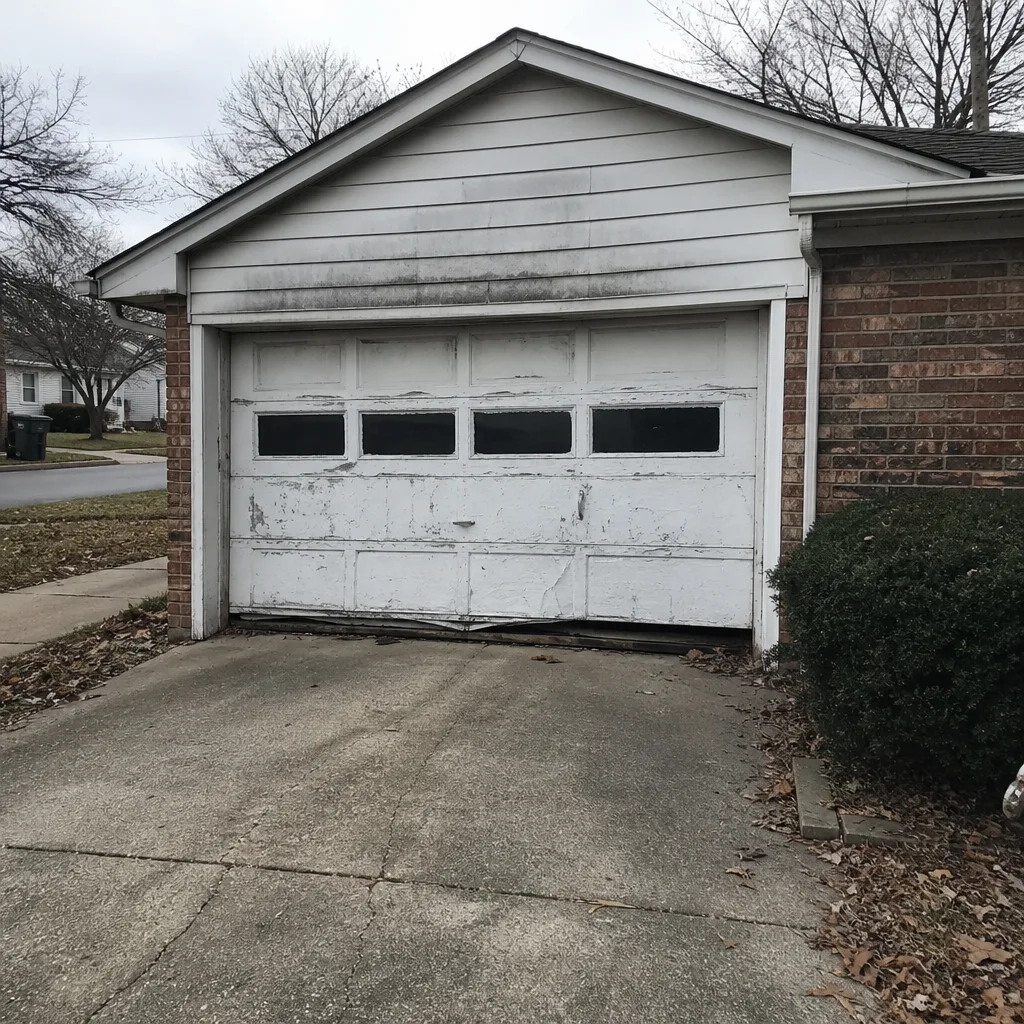
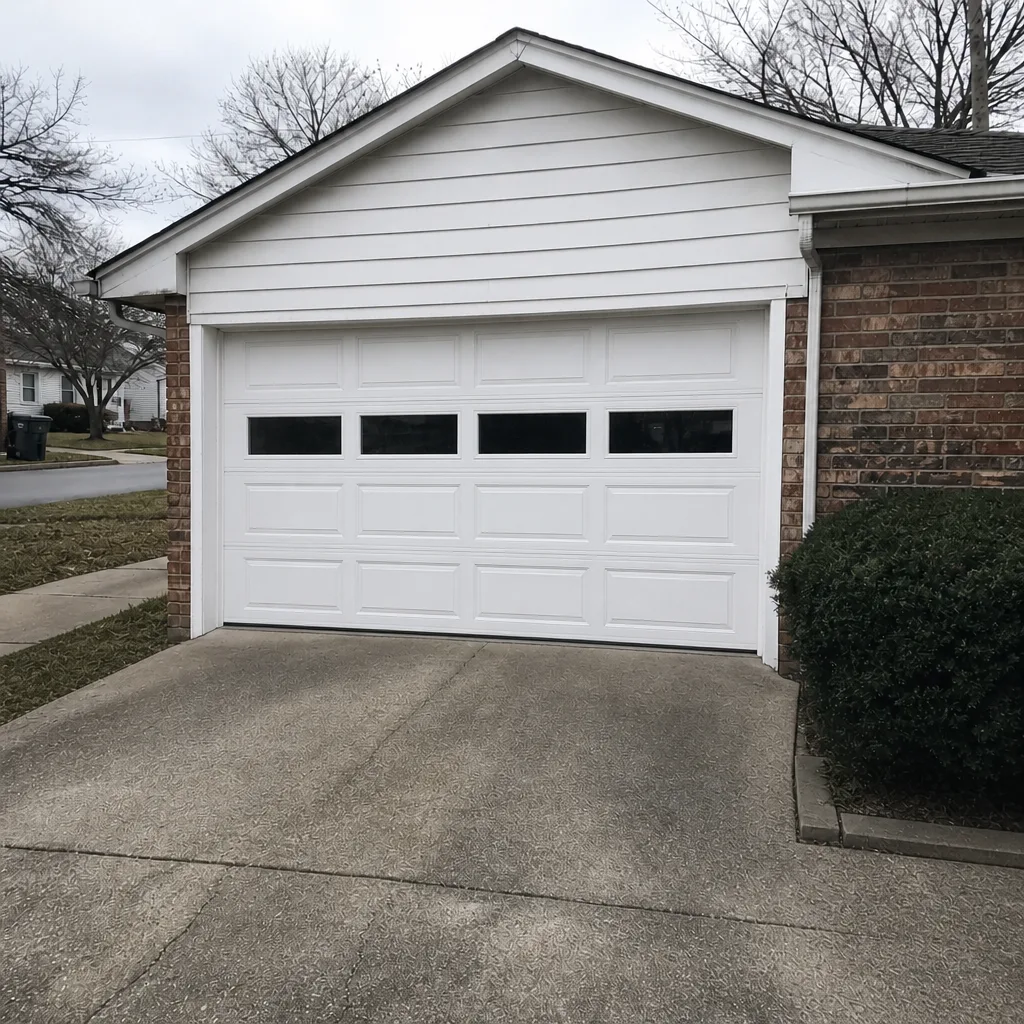
See the difference
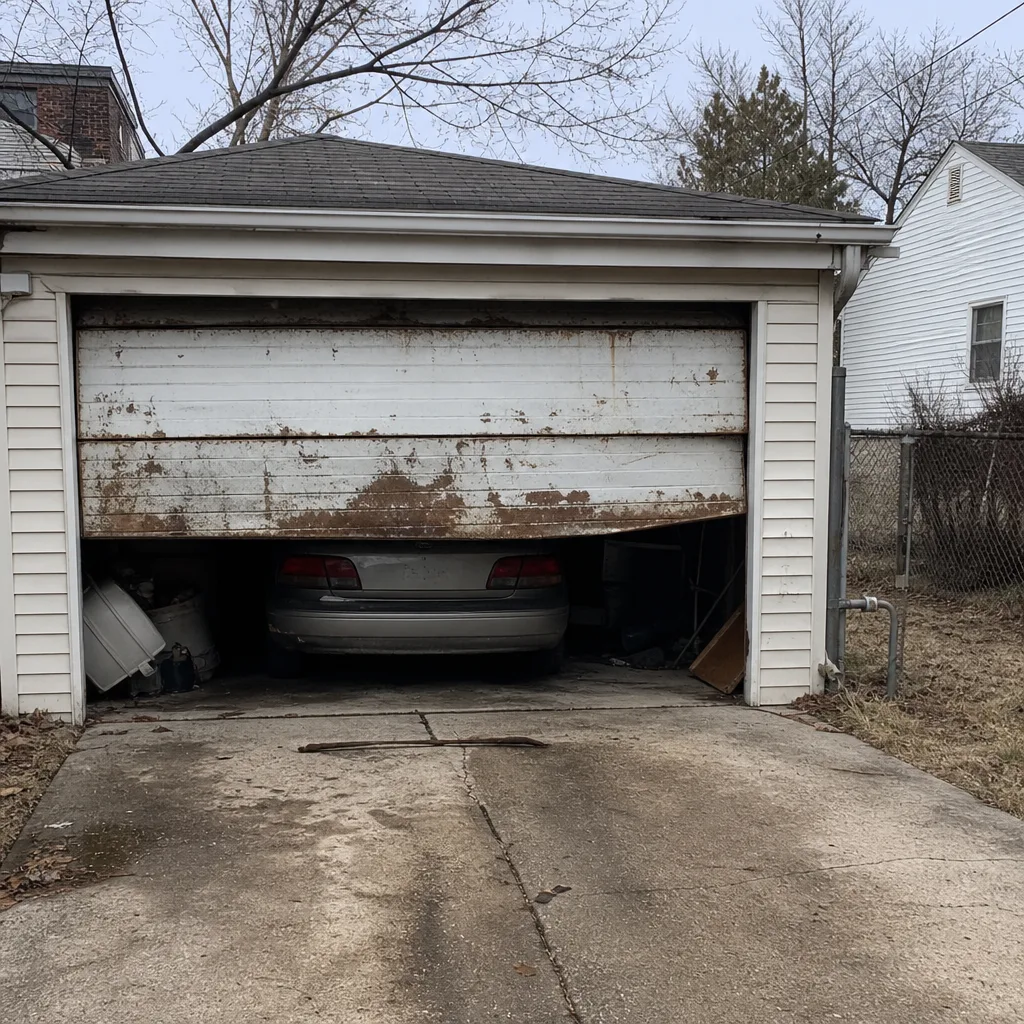 Before
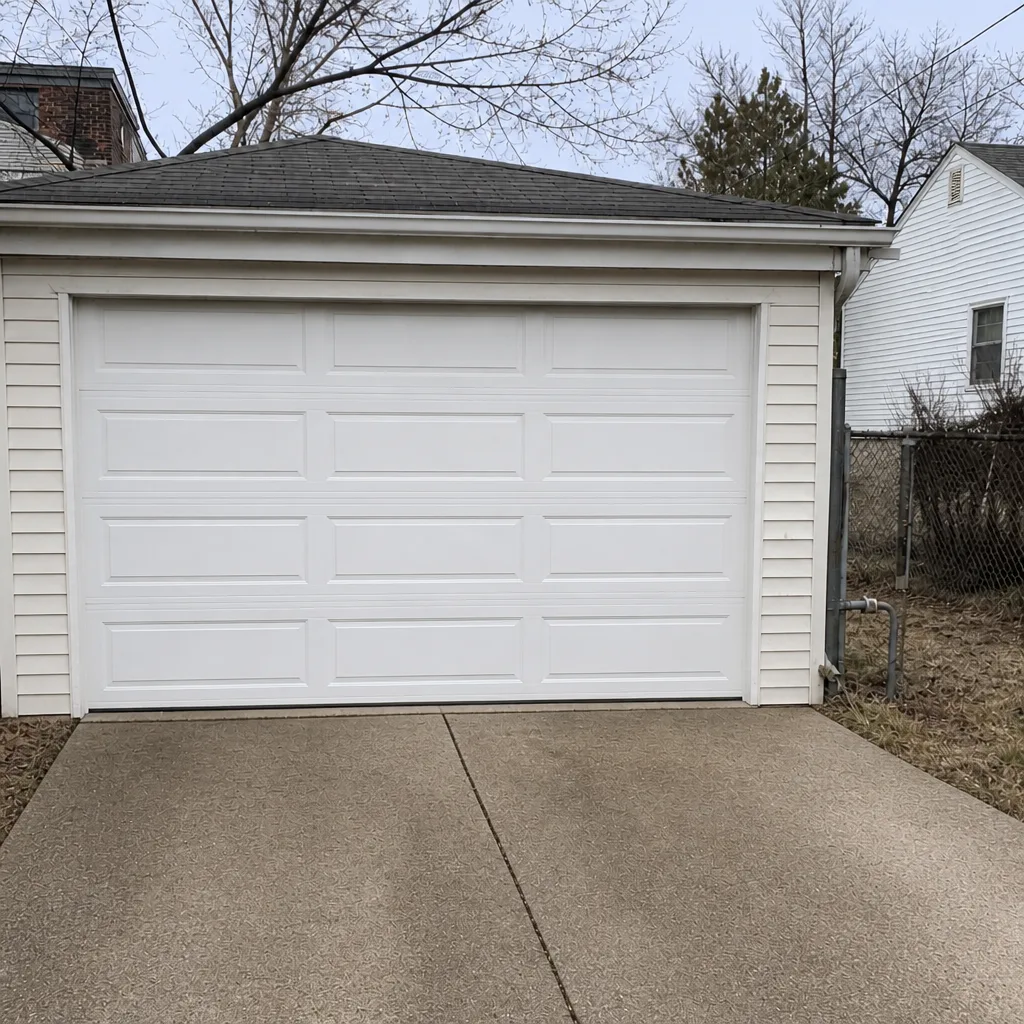 After
 Before
 After
 Before
 After
When to Call a Professional
Permitting and code questions aside, there are repairs you shouldn’t attempt yourself. A door that won’t reverse when it meets an obstruction, a spring that’s broken or making a snapping sound, cables that have come off the drum, or a door that’s come off track are all situations where the tension in the system can injure you if handled wrong. Track and roller replacement on a door with intact springs is a reasonable DIY job for some homeowners, but anything involving springs or cables should go to a technician. If you’re unsure about the permit scope for a full replacement or a structural change, that’s also a call worth making, because a licensed contractor can often tell you what your municipality will expect before you file anything. For garage door repair in St. Louis, we can assess whether your project is repair or replacement and what that means for permits. Landon Garage Door Repair offers free estimates in St. Louis. Call (866) 942-7683 to get scheduled.
Frequently Asked Questions
It depends on the scope. A full door system replacement with a changed opening width or structural modification typically requires a permit in most St. Louis County municipalities and in the City of St. Louis. A like-for-like replacement that doesn’t alter the opening usually does not. Call your city’s building department with your address and a description of the work to confirm before the project starts.
Usually not, provided the replacement is a comparable unit and no new electrical service is added. If your project requires new wiring or a dedicated circuit to the garage, that falls under electrical permitting and needs a licensed electrician, not just a garage door technician. Call (866) 942-7683 for an exact quote on the opener side. Estimates are free.
Like-for-like means the new door matches the existing door in size, configuration, and performance characteristics, including wind-load rating, so the structure of the home isn’t altered. It does not mean any door that simply fits the opening. If the opening has to be modified to make the new door fit, you’ve moved out of like-for-like and into permitted structural work.
It shows up during the buyer’s inspection and in permit record searches. An unpermitted structural alteration or an open permit can stall a closing while the seller sorts it out, and remediation can involve retroactive permitting and follow-up inspection. Keeping the permit record and inspection pass slip with your property documents prevents the problem entirely.
The rating has to meet the design wind pressure your municipality enforces for your address, which is why the number can vary from one St. Louis jurisdiction to another. Ask your city’s building department what they expect, and ask your installer for the door’s rated spec in writing before the door is ordered. Keep that documentation with your permit record.
The technicians who perform the work should be properly licensed and insured, and you should ask for confirmation before work begins. We can also work with your insurer when a claim is involved, though we don’t bill them directly on your behalf. Call (866) 942-7683 for an exact quote. Estimates are free.
The Bottom Line
Garage door permitting in St. Louis comes down to a few clear rules. Panel swaps, spring repairs, and opener replacements usually don’t need a permit. Full door replacements, opening changes, and structural modifications usually do. The authority you answer to depends on your address: city, unincorporated county, or one of the municipalities like Chesterfield, Kirkwood, or Florissant. Get the wind-load rating documented, request the final inspection, and keep every piece of paper. Do those things and your project stays clean at resale. Skip them and the problem sits quietly until a buyer’s inspector finds it. For help sorting out whether your project is repair or replacement, Landon Garage Door Repair can walk you through it. Our technicians have up to 14 years of experience, and we service LiftMaster, Chamberlain, Genie, Clopay, Amarr, Wayne Dalton, Craftsman, and Raynor systems. We answer 24/7. Fast dispatch, 7am-7pm, Sunday through Friday.
Whether it’s a single garage door opener repair or a full replacement with permitting, we handle it the same way: measure first, quote in writing, and tell you what your municipality expects before anything gets ordered. We serve homeowners across St. Louis and the surrounding county, and we’d rather answer a permit question on the phone than let you find out at resale.
Call (866) 942-7683 for a free estimate. We answer 24/7. Fast dispatch from 7am to 7pm, Sunday through Friday. The price is quoted and agreed before any work starts, and the written estimate is the number you pay. When you’re ready to sort out your door, we’re ready to help. Door and opener, handled together.
Written by the team at Landon Garage Door Repair.