
Last updated November 16, 2026
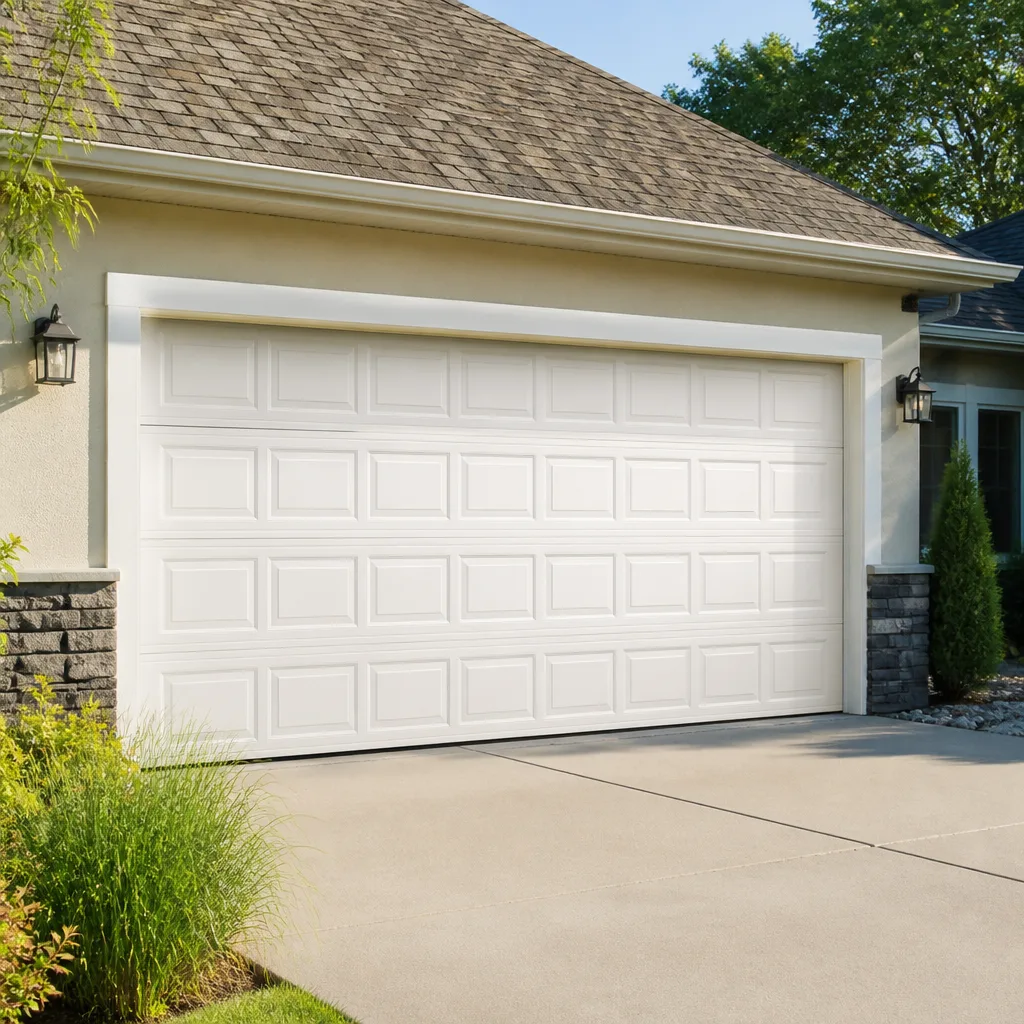 Raised-panel steel
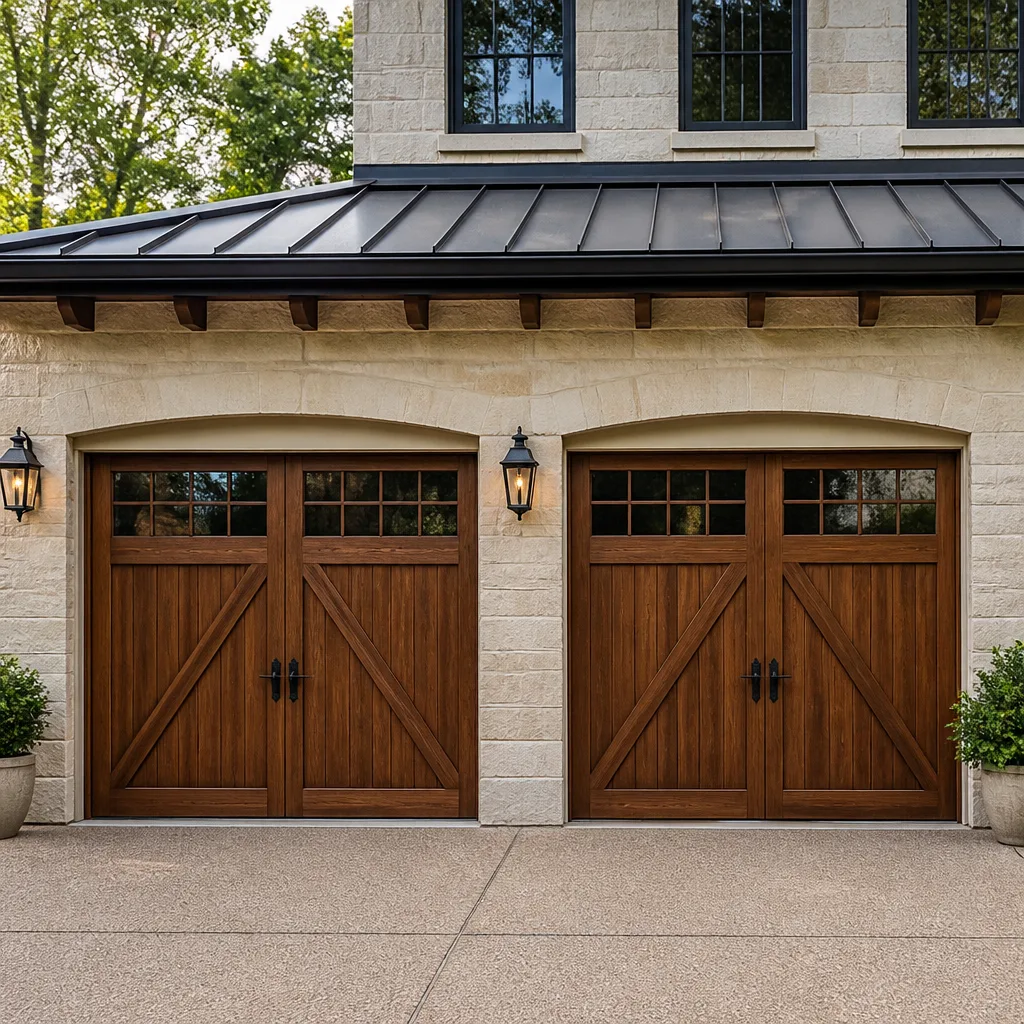 Carriage house
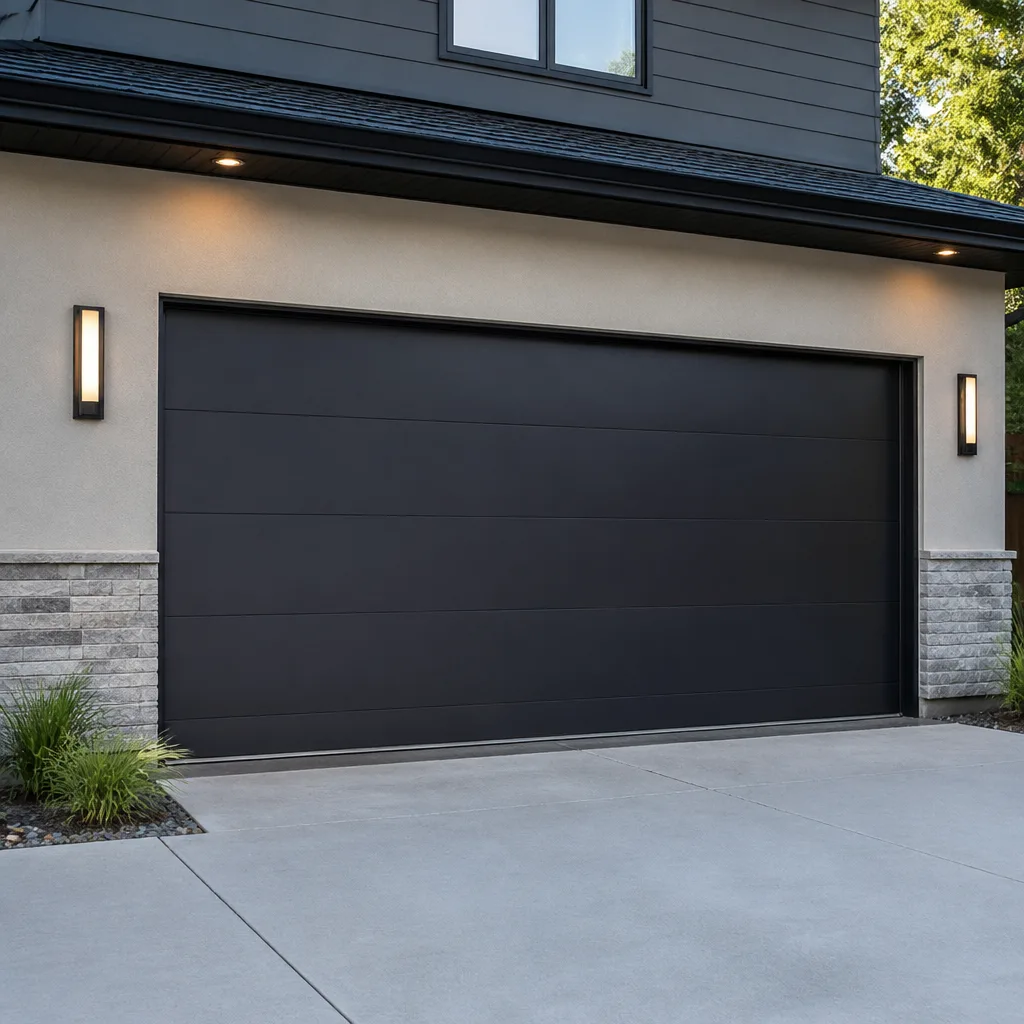 Modern flush
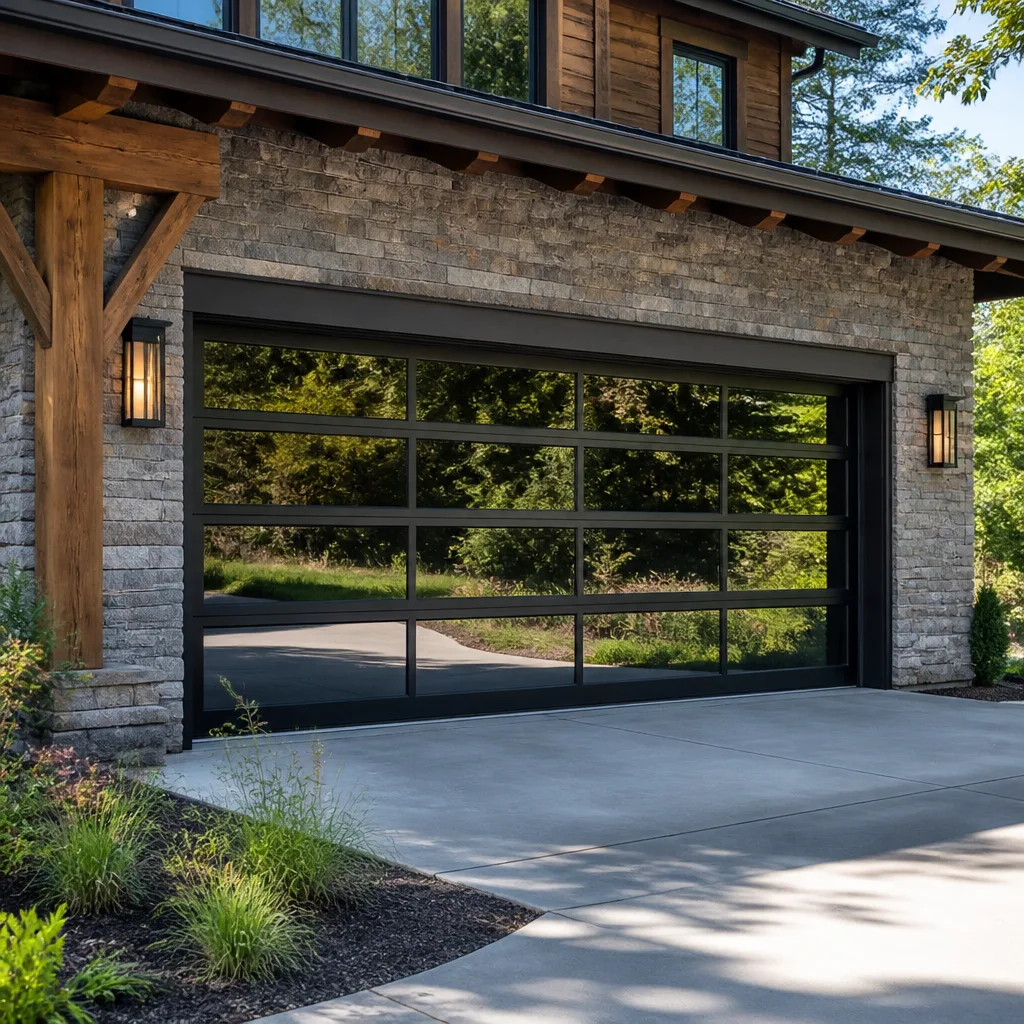 Full-view glass
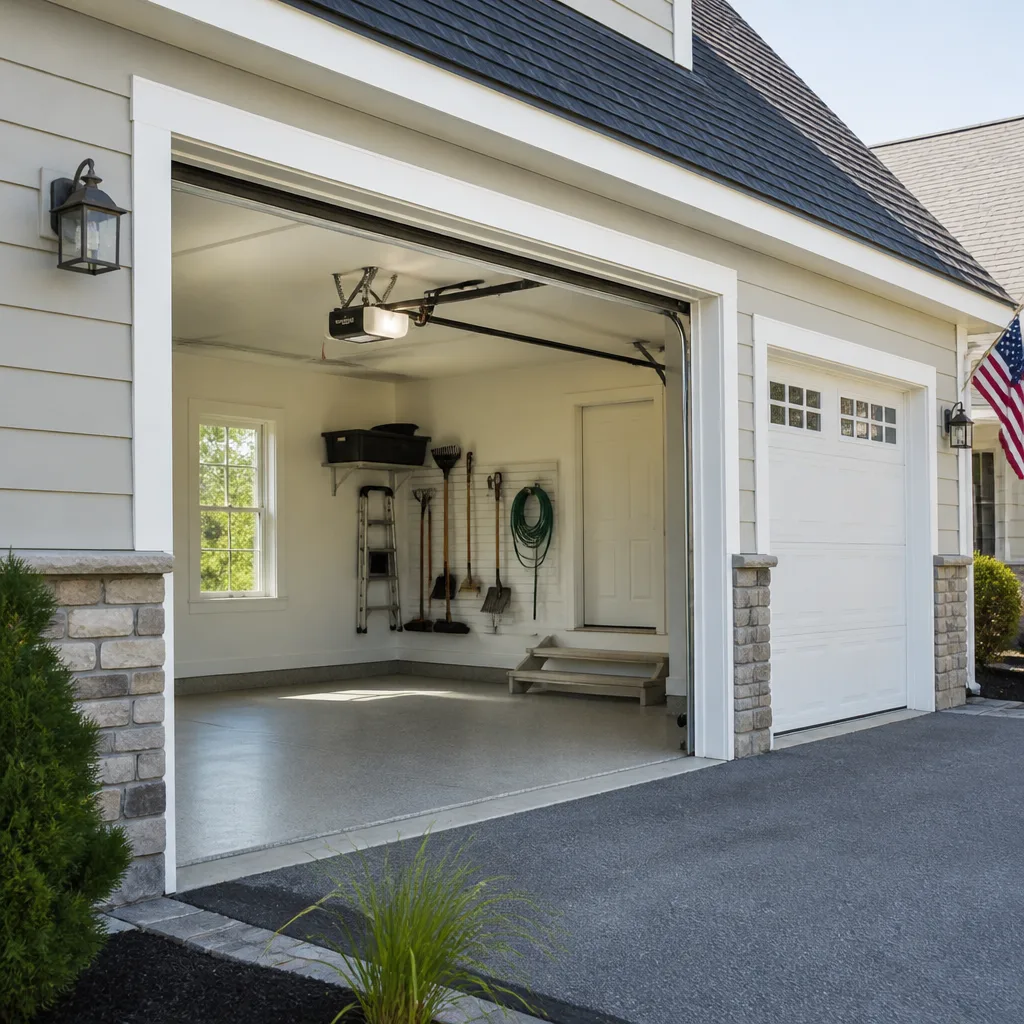 LiftMaster openers
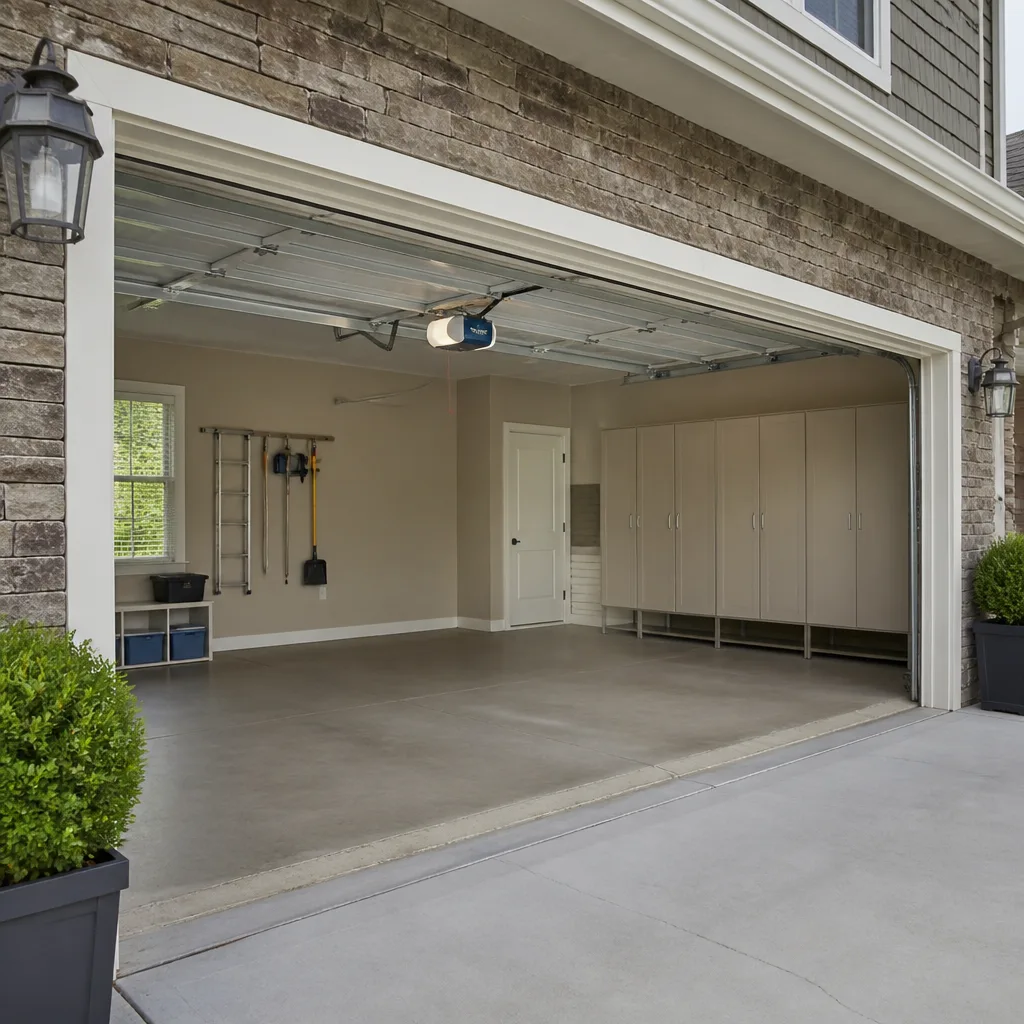 Chamberlain openers
Full 25-point door and opener safety check with every visit - springs, cables, rollers, tracks, and your LiftMaster or Chamberlain opener included
You get a price before we start. It does not change when the pro arrives.
Get your free estimateChoosing the Right Garage Door Brand: A Buyer’s Guide for St. Louis
Most brand comparisons are written by people who sell one or two lines. That’s worth knowing before you read any of them, including the polished pages on manufacturer websites. When an installer recommends Clopay over Amarr, or LiftMaster over Genie, the recommendation is sometimes driven by a dealer agreement as much as by fit. We don’t carry a single line, which means we get to see how these systems actually hold up after five years of St. Louis summers, freeze-thaw cycles, and daily open-close cycles. This guide covers how the major brands compare on parts availability and service cost in the St. Louis market, what insulation ratings actually mean for our climate zone, how to match a door to your existing opener, and what a “lifetime warranty” really excludes. By the end, you’ll know how to make a choice based on your house and your usage, not a sales rep’s inventory.
Quick Answer
There’s no single best garage door brand for St. Louis. Clopay and Amarr are the safest bets for parts availability and long-term serviceability in this market, while Wayne Dalton and LiftMaster dominate on the opener side. The right choice depends on three things: whether your existing opener will work with the new door, how much insulation you actually need for a Zone 6a climate, and whether common replacement parts for that brand are stocked locally or have to be ordered. Choose the brand that fits those three answers, not the one with the flashiest showroom display.
Styles & brands we work with
- Raised-panel steel
- Carriage house
- Modern flush
- Full-view glass
- LiftMaster openers
- Chamberlain openers
Table of Contents
- How Do the Major Garage Door Brands Compare in St. Louis?
- Which Brands Have Local Parts Availability in St. Louis?
- Why the R-Value Comparison Between Brands Is Misleading
- How to Match Your Door Brand to Your Existing Opener
- What “Lifetime Warranty” Actually Excludes in the Midwest
- How These Brands Hold Up After Five Years in St. Louis
- Matching the Brand to Your Home, Not the Showroom
How Do the Major Garage Door Brands Compare in St. Louis?
The short answer: Clopay and Amarr lead on parts availability and serviceability, Wayne Dalton is common in newer subdivisions and a mixed bag on parts, and CHI and Doorlink sit in the middle with decent quality but thinner local supply support. When we’re called out to a St. Louis home for garage door repair, the brand on the door tells us almost immediately how fast the job will go and what the parts will cost.
Here’s how the five door brands we see most often stack up on the metrics that matter to a homeowner with a broken or aging door:
- Clopay: Strong. Panels, hinges, rollers, and torsion hardware are widely available through local distributors. Common failures are usually fixable the same day or within a day or two.
- Amarr: Strong. Similar parts availability to Clopay. Good track record on structural hardware and panel fit.
- Wayne Dalton: Mixed. The door itself is solid, but some model-specific components (certain hinges, panel profiles) can require ordering, which adds wait time to a repair.
- CHI: Decent. Quality construction, but fewer local distributors stock the full parts line. Simple fixes are fine; odd parts can take longer.
- Doorlink: Decent. Budget-friendly and common on new construction, but the parts network is thinner than Clopay or Amarr.
The practical takeaway for a St. Louis homeowner: if you’re choosing a brand for a new door and you plan to stay in the house for a decade or more, parts availability should weigh heavily. A door that’s slightly cheaper up front but needs a specialty hinge ordered every time something wears can cost more over the life of the door. We’re not steering you toward one manufacturer – we work on all of them. We’re telling you what we see when the truck pulls up.
Which Brands Have Local Parts Availability in St. Louis?
Clopay and Amarr have the best local parts availability in the St. Louis market, followed by Wayne Dalton, with CHI and Doorlink trailing. That ranking isn’t about quality; it’s about how many local distributors stock the components, which directly affects how long a repair takes when a panel, hinge, or spring needs replacing.
Parts availability matters more in St. Louis than in many markets because of the weather cycle. Freeze-thaw cycles from December through March put real stress on torsion springs, hinges, and the door’s moving parts. When something fails in January and the replacement part has to be ordered from a manufacturer two states away, you’re looking at down time on a door that’s your main entry point. That’s a very different experience from a brand where the part is on a shelf an hour away.
Here’s what to check before you commit to a brand for a new door:
- Ask the installer which distributor they buy from locally. If they can’t name one, parts availability may be a real problem down the road.
- Ask about the specific model, not just the brand. Parts networks vary by line. A base model Clopay and a premium Clopay don’t have identical availability.
- Ask what typically fails on that door first. Hinges and rollers on some brands wear faster than others. Knowing the expected wear points tells you what you’ll be sourcing.
- Check the warranty’s parts clause. A warranty that covers the part but not the labor still leaves you paying for the install.
For a full discussion of how we approach opener and door service across brands, our Landon Garage Door Repair page covers the service model. The short version: we diagnose what’s actually on your door and make a recommendation that fits your situation, not a single product line.
Why the R-Value Comparison Between Brands Is Misleading
The R-value printed on a garage door brochure tells you almost nothing about how the door will perform in St. Louis. R-value is measured in a lab under steady-state conditions, and a garage door doesn’t live in a lab. It has gaps around the perimeter, a thermal bridge at the hinges and track, and a weather seal that’s the real weak point. What actually matters for a Zone 6a climate is the combination of insulation value, air sealing, and door fit in the opening.
Here’s what we tell homeowners who ask about insulation:
- Perceived R-value vs. effective R-value: A door rated R-16 with a poor perimeter seal can perform worse than an R-9 door properly sealed and fitted to the opening. The seal is where most of the heat loss actually happens.
- Insulation type matters for our climate: Polyurethane foam cores hold up better in cold conditions than polystyrene. In a St. Louis winter, that can translate into fewer issues with condensation and door structural movement.
- The opener’s role: An insulated door is heavier. If you’re upgrading to a high-R-value door with an older opener, the opener may struggle to lift it – which means an opener replacement factored into the budget. This is one of the most common surprises in a door replacement.
- Attached vs. detached garage: If your garage is attached to the house and there’s living space above it, the insulation choice matters much more than if the garage is detached and unheated.
The honest framing: don’t compare R-values between brands as if they tell the whole story. Compare insulation type, perimeter seal quality, and whether the door fits your opening properly. Those three things determine how the door actually performs in a St. Louis February.
How to Match Your Door Brand to Your Existing Opener
Your new door has to work with your existing opener, or you’re buying an opener too. This is where a lot of door purchases go sideways. A heavier or differently balanced door can push an older opener past its rated lift capacity, and some door manufacturers’ proprietary hardware doesn’t play nicely with certain opener arms and brackets.
Start by identifying what opener you already have. The three common systems in St. Louis homes are LiftMaster, Chamberlain, and Genie. LiftMaster and Chamberlain are both part of the same corporate family but differ in feature sets and remote compatibility. Genie has its own ecosystem. The brand you choose for the door doesn’t have to match the opener brand, but the opener’s lift capacity and the door’s weight have to match, and the opener’s mounting hardware has to work with the door’s top section and brackets.
Here’s the process we recommend before you buy a door:
- Find the opener’s model plate. It’s usually on the back or side of the motor housing. Note the lift rating.
- Weigh the door. The old door’s weight is on the manufacturer’s label, or your installer can tell you. The new door’s weight has to be within the opener’s rating.
- Check the balance. A door that’s out of balance puts excess strain on the opener, and an older opener already near its capacity won’t tolerate that.
- Decide whether to replace the opener alongside the door. If the existing opener is more than a decade old or at the edge of its lift capacity, replacing it during the door job often makes more sense than doing it separately a year later.
If your opener needs attention separately, our garage door opener repair service covers drive systems, remotes, and smart-home integration for all the major brands. Door and opener, handled together, is the cleanest way to avoid a compatibility surprise in the middle of a door install.
What “Lifetime Warranty” Actually Excludes in the Midwest
A “lifetime warranty” on a garage door is almost never a lifetime warranty on the whole door. It’s typically a tiered warranty with a limited lifetime clause on certain components and much shorter coverage on others. Understanding the exclusions before you buy is more valuable than the headline.
What these warranties usually do cover:
- Section delamination and structural integrity of the door panels, often for the life of the door for the original purchaser.
- Hardware and torsion springs for a shorter period, commonly several years, not lifetime.
- Finish and paint for a limited period, with exclusions for certain color and environmental exposures.
What they almost always exclude, and what matters most in the Midwest:
- Labor. The warranty covers the replacement part; you pay the technician to install it. On a torsion spring, that labor is the bulk of the cost.
- Weather damage. Freeze-thaw stress on springs and hinges is often classified as normal wear, not a defect. St. Louis’ winter cycles can accelerate wear on components that are still within the warranty’s “expected life” period.
- Improper installation or maintenance. If the door wasn’t installed to the manufacturer’s spec or maintained per the manual, the warranty can be voided. This is a common issue when a door is installed by someone other than a certified installer.
- Cosmetic damage from dents, impacts, or salt exposure on the bottom section.
The practical advice: read the warranty’s exclusion list before you buy, and ask specifically what coverage applies to the springs and hardware – the parts most likely to fail first in St. Louis. A “lifetime” spring warranty and a “lifetime” panel warranty are very different things.
How These Brands Hold Up After Five Years in St. Louis
Spec-sheet comparisons don’t tell you how a door holds up after five years of St. Louis weather. Five years of freeze-thaw cycles, summer humidity, and daily open-close cycles exposes the differences that don’t show up on the brochure. Here’s what we’ve observed across the brands we service most.
Clopay and Amarr tend to hold up well on the structural side. Panels stay square, hinges wear predictably, and the torsion system maintains its balance longer. The most common failures around year five are hinge and roller wear, which are serviceable parts. These are the brands where the five-year repair is usually a straightforward job.
Wayne Dalton doors typically hold up well; the wear points are similar to Clopay and Amarr, but when something non-standard fails, the parts lead time is longer. That’s the trade-off. If your door was installed by the builder in a newer subdivision, it’s likely a Wayne Dalton, and it’s likely in the “good door, occasional parts delay” category.
CHI and Doorlink are solid doors but tend to show finish wear and hardware wear a bit earlier than the premium brands, and their parts networks are thinner. On the opener side, LiftMaster and Chamberlain openers from five years ago are still serviceable and often repairable; Genie systems have their own parts availability picture, with some models easier to source than others.
The takeaway after five years is not “one brand wins.” It’s that the brands with local parts support and standard hardware are easier and cheaper to keep running. The brand that’s easiest to service in year five is often the better long-term investment, even if it costs a little more up front.
Matching the Brand to Your Home, Not the Showroom
The brand that fits your home is the one whose door style, insulation level, and opener compatibility match your house and your life. That’s a different question from “which brand is best,” and it’s the question that actually matters. A showroom full of doors looks impressive, but none of them are attached to your garage.
Here’s the checklist we use when helping a homeowner choose a brand for a new door:
- Measure the opening and check the headroom. Some door styles and lift systems need more headroom than others. This isn’t about brand as much as model, but some brands have more options in low-headroom situations.
- Match the style to the house. A carriage-house style on a mid-century ranch looks off. A basic raised panel on a Tudor looks underdressed. The brand’s style lineup matters here.
- Decide on insulation based on garage use. Attached garage with living space above: prioritize insulation and sealing. Detached, unheated garage: a lower-R door is fine.
- Confirm opener compatibility before ordering. The new door’s weight and hardware have to work with the existing opener or you’re buying both.
- Check parts availability for the specific model. Brand-level availability isn’t the same as model-level availability. Ask about the exact model.
For a homeowner making this decision in St. Louis, the conversation should include your existing opener, the orientation of your garage, how much you use the door daily, and how long you plan to stay. If you’re in a neighborhood with a lot of builder-grade doors, we’ve probably seen your exact model before and can tell you what it needs. Wherever you are in St. Louis, the right brand is the one that fits your house and your budget, not the one with the best display.
Common Mistakes to Avoid
- Buying on R-value alone. The R-value on the brochure doesn’t account for your perimeter seals, your garage orientation, or how well the door fits your opening. Insulation type and sealing matter as much as the number.
- Assuming your existing opener will handle the new door. A heavier or differently balanced door can strain or exceed an older opener’s lift capacity. Check the opener’s rating against the new door’s weight before you order.
- Ignoring parts availability in favor of a slightly lower price. A cheaper door whose common failure parts have to be ordered from out of state can cost more in down time and labor over five years than a pricier door with local parts support.
- Reading “lifetime warranty” as coverage on the whole door. Read the exclusions. Springs, hardware, labor, and weather damage are usually carved out or covered for much shorter periods.
- Choosing a brand because your installer carries it. If your installer only sells one line, that’s a dealer agreement, not necessarily the right fit. Ask if they service other brands too.
- Skipping the low-headroom check. Some door and opener combinations need more overhead clearance than others. This shows up after delivery if it’s not checked during measure.
- Letting a builder-grade door go unserviced. Newer subdivisions in St. Louis often have the same door on many homes. Those doors wear at predictable points, and catching the wear early keeps a repair from turning into a replacement.
See the difference
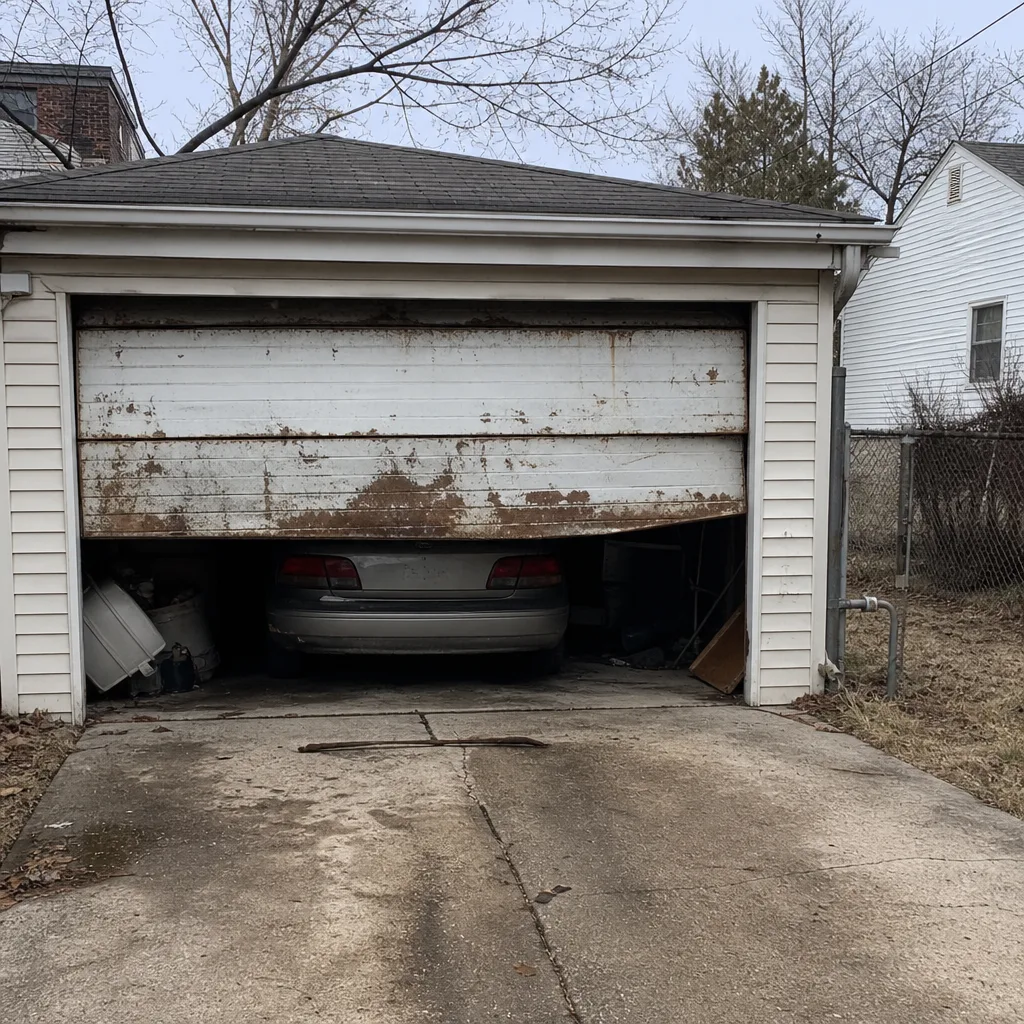 Before
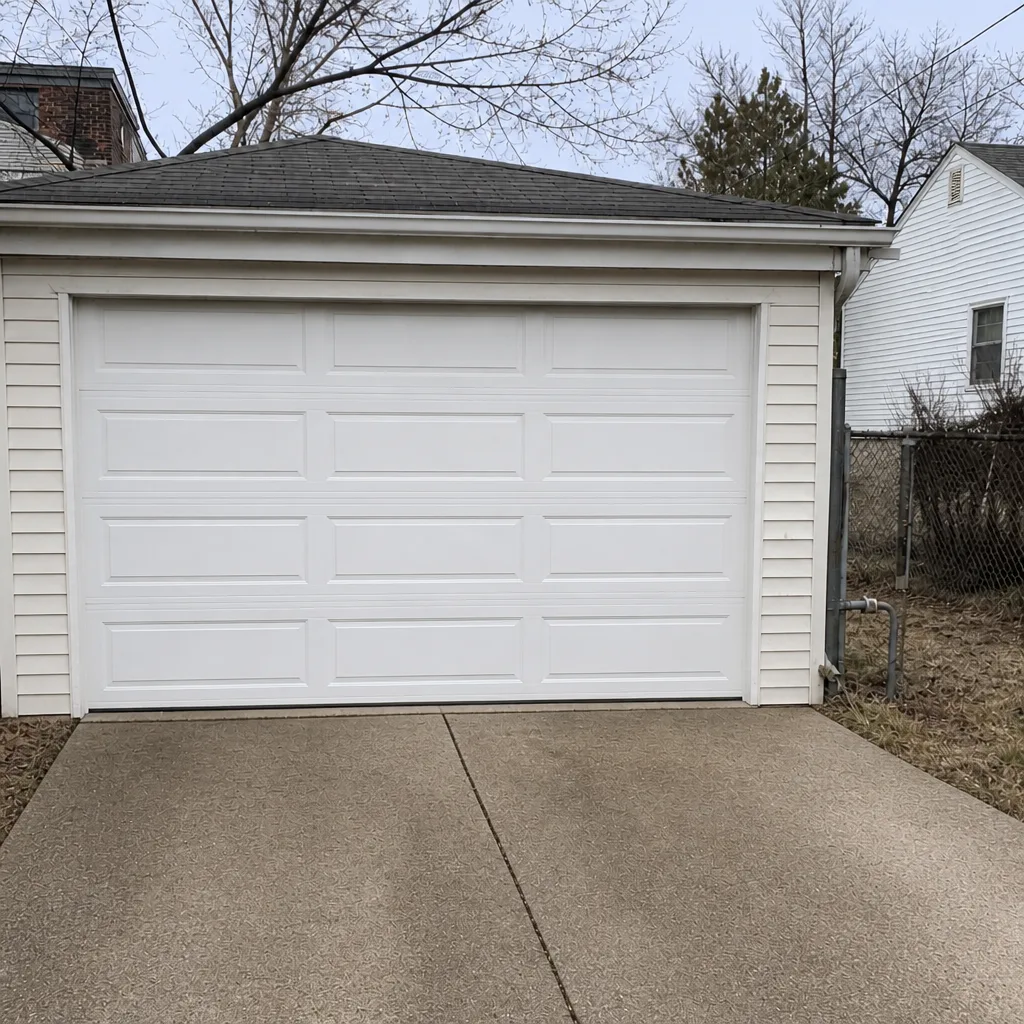 After
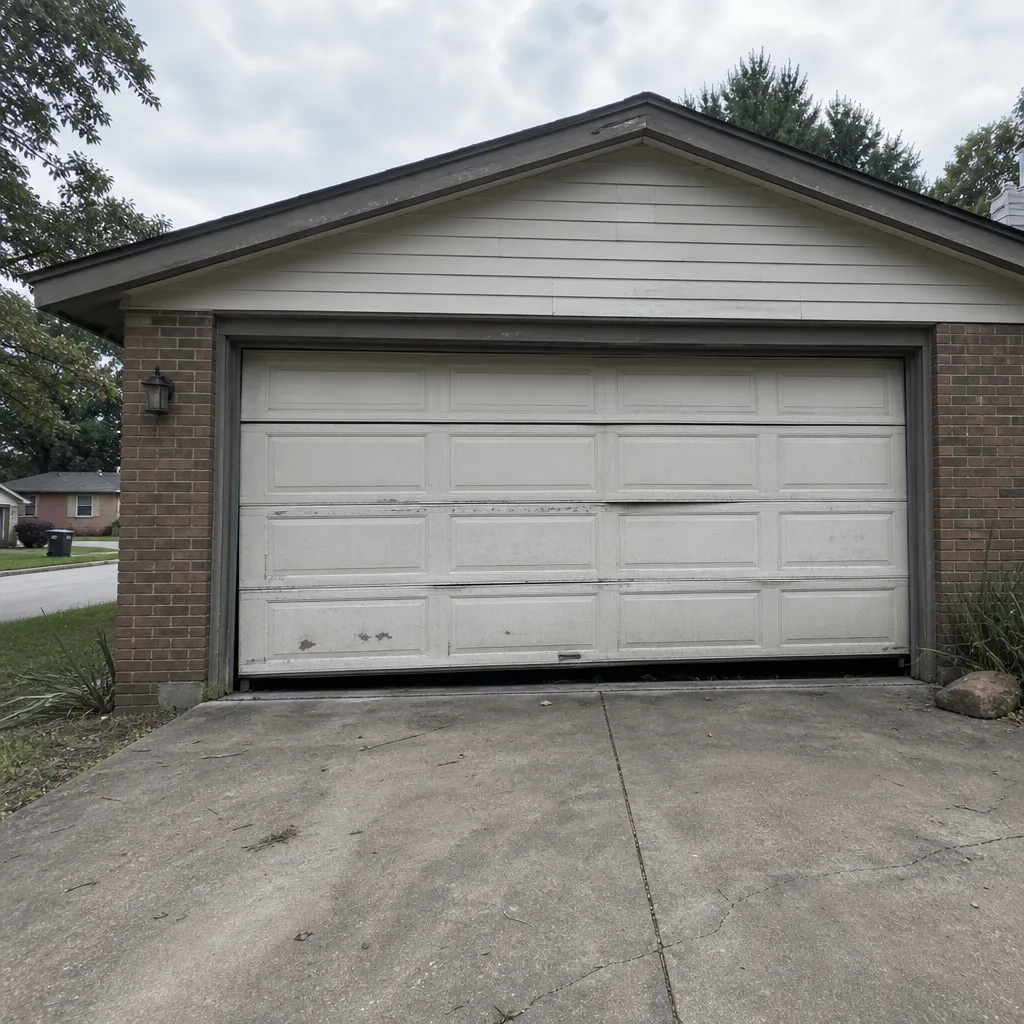 Before
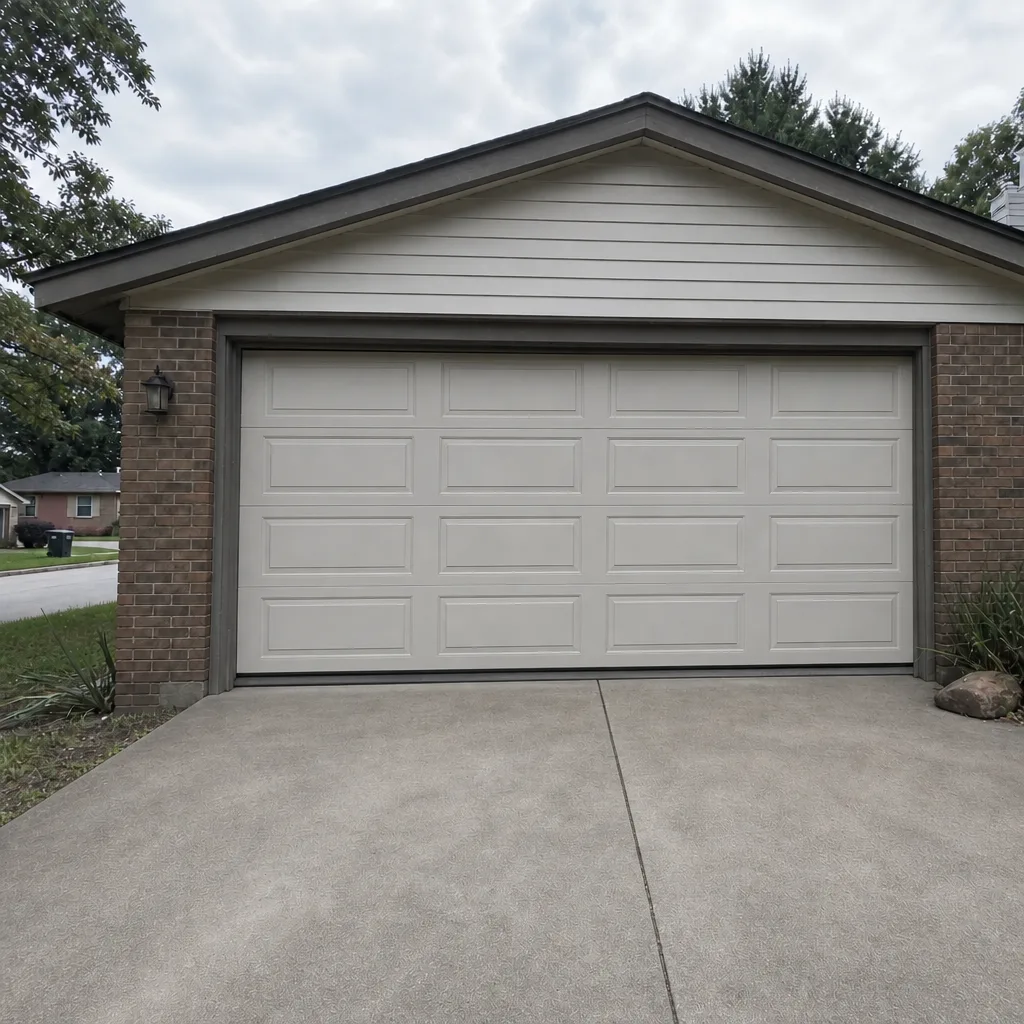 After
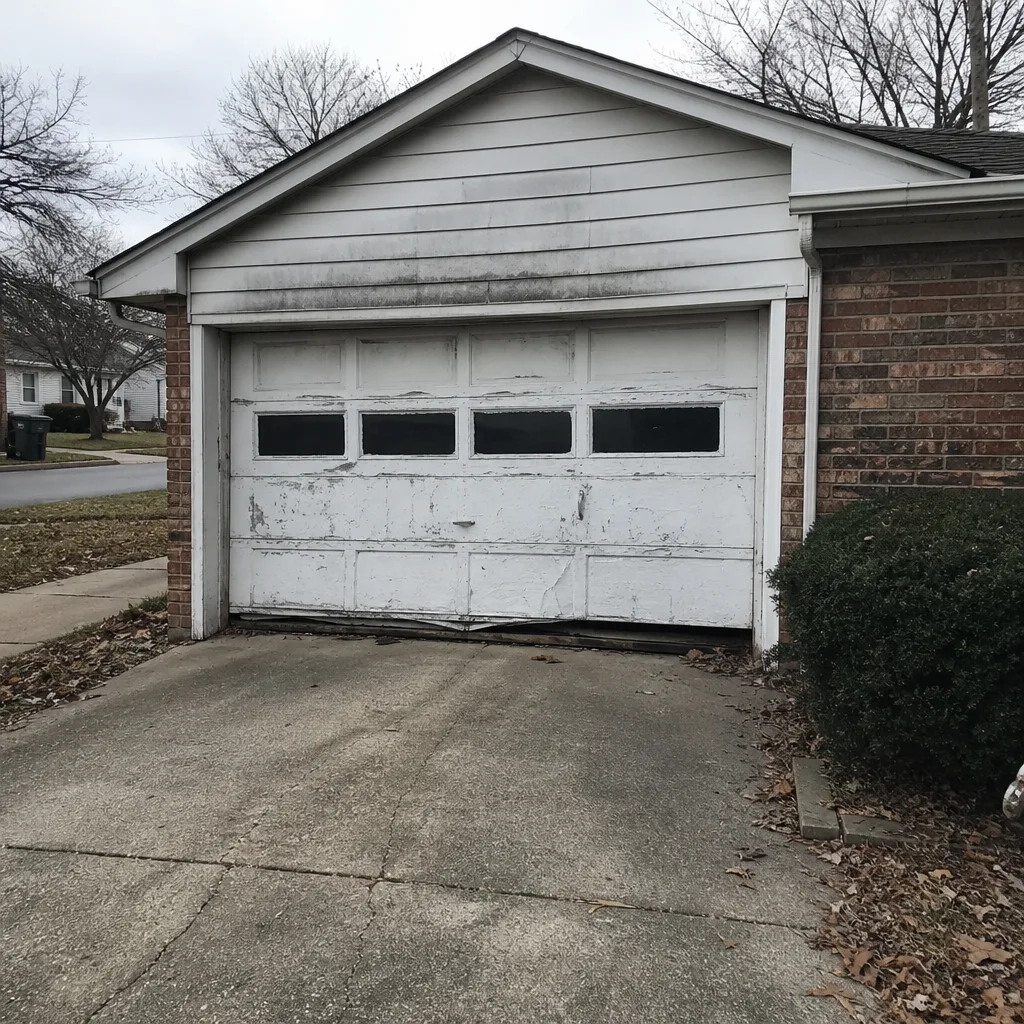 Before
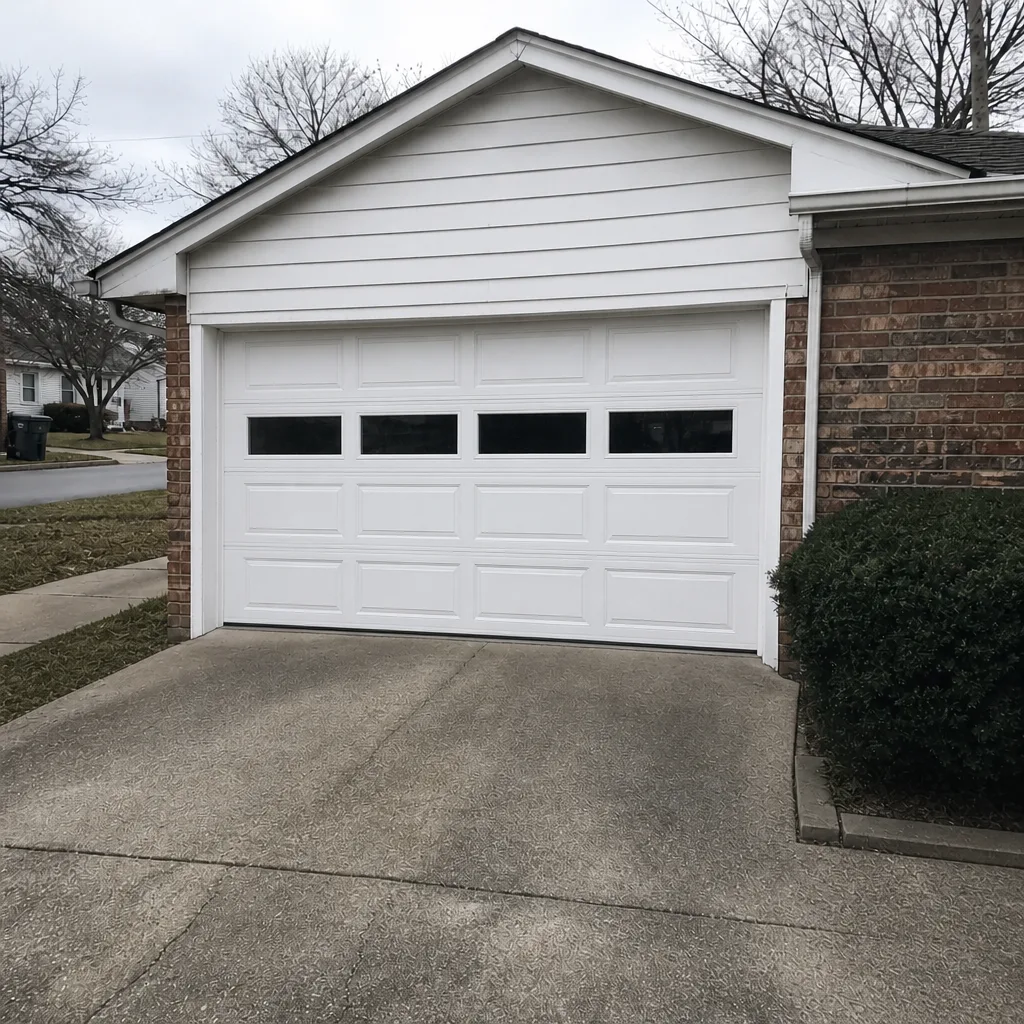 After
When to Call a Professional
Call a professional when the door’s springs, cables, or torsion system need attention – those components are under extreme tension and should only be handled by a trained technician. Call when the door has come off its track, when the opener is straining or reversing unexpectedly, or when you’re considering a new door and need an honest assessment of whether a repair or replacement makes more sense. Also call when you’re choosing a brand for a full replacement and want an opinion from someone who services all the major lines rather than one dealer. Landon Garage Door Repair offers free estimates in St. Louis – call (866) 942-7683. Our technicians have up to 14 years of experience across LiftMaster, Chamberlain, Genie, Clopay, Amarr, Wayne Dalton, Craftsman, and Raynor systems.
Frequently Asked Questions
Clopay and Amarr are the strongest choices for most St. Louis homes because they combine solid construction with the best local parts availability, which keeps long-term service costs lower and repairs faster. Wayne Dalton is common in newer subdivisions and holds up well, though some model-specific parts take longer to source. The right brand for your home also depends on your opener, your garage’s orientation, and how long you plan to stay. Call (866) 942-7683 for a free estimate – we’ll give you an honest take on what fits your house.
It matters, but less than the brochure suggests. St. Louis sits in a Zone 6a climate with real freeze-thaw cycles, so insulation value helps – especially on an attached garage with living space above it. But the perimeter seal and the fit of the door in the opening usually have a bigger effect on how the door actually performs than the R-value alone. Insulation type matters too: polyurethane cores hold up better than polystyrene in our winters. Call (866) 942-7683 to talk through what makes sense for your garage.
Usually yes, as long as the new door’s weight is within the existing opener’s lift rating and the opener’s mounting hardware works with the new door. We check the opener’s model plate, the door’s weight, and the door’s balance before recommending whether to replace both. If the opener is old or already at the edge of its capacity, replacing it during the door job often makes more sense. Call (866) 942-7683 for a free estimate on a door and opener assessment.
Because their parts networks are thinner locally. Clopay and Amarr have broad distributor support in the St. Louis market, so common repair parts are usually on a shelf nearby. Wayne Dalton, CHI, and Doorlink have more mixed availability, and some model-specific components have to be ordered, which adds lead time to a repair. It’s not about quality – it’s about how many suppliers carry the parts. Call (866) 942-7683 and we’ll tell you what your brand typically needs.
Usually it covers the door panels’ structural integrity for the life of the door for the original purchaser, with much shorter coverage on hardware and springs. Labor is almost always excluded, so you pay the technician to install a warranted part. Weather-related wear – which is the main cause of spring and hinge failure in St. Louis – is typically excluded as normal wear. Read the exclusions list before you buy, and ask specifically about spring and hardware coverage. Call (866) 942-7683 with questions about your current door’s warranty situation.
Your door brand and opener brand don’t have to match, but the door’s weight has to be within the opener’s lift rating and the mounting hardware has to be compatible. Find the opener’s model plate, confirm its lift capacity, and compare to the new door’s weight. LiftMaster, Chamberlain, and Genie are the most common opener systems in St. Louis homes, and all three can pair with most door brands if the weight and mounting are right. Call (866) 942-7683 for a free estimate and we’ll check compatibility before you buy.
The Bottom Line
There’s no single best garage door brand for St. Louis – there’s the brand that fits your house, your opener, and your usage. Clopay and Amarr lead on local parts availability, Wayne Dalton is common in newer subdivisions with a few more parts delays, and CHI and Doorlink sit in the middle. Insulation ratings need to be read alongside perimeter sealing, not in isolation. Your existing opener’s lift capacity is as important as the door brand you choose. And a “lifetime warranty” almost always excludes labor and weather wear, which are the costs that actually hit a St. Louis homeowner. The right fix, not the most expensive one, is the goal. We work on all the major brands, which means we’ll tell you what we see, not what we sell.
Call (866) 942-7683 for a free estimate. We answer 24/7. Fast dispatch from 7am to 7pm, Sunday through Friday.
Written by the team at Landon Garage Door Repair.