
Last updated November 16, 2026
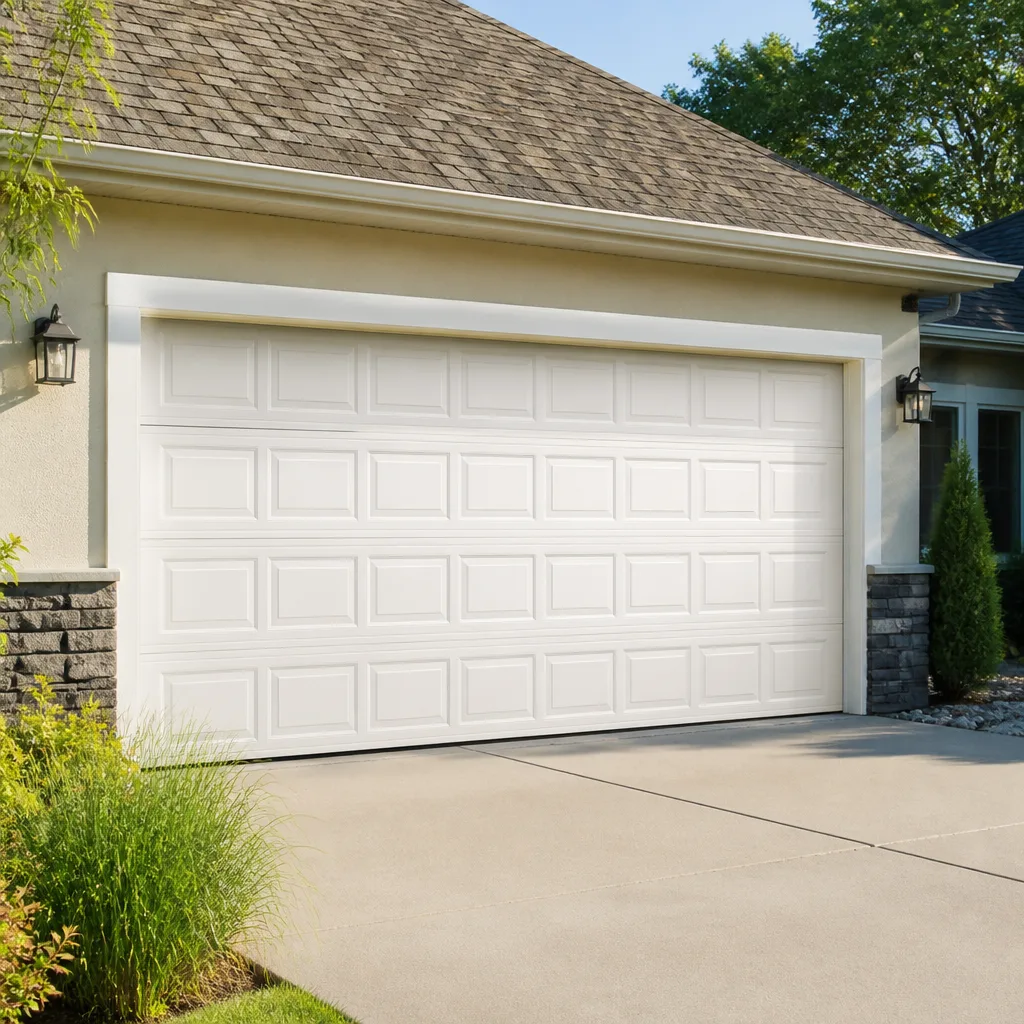 Raised-panel steel
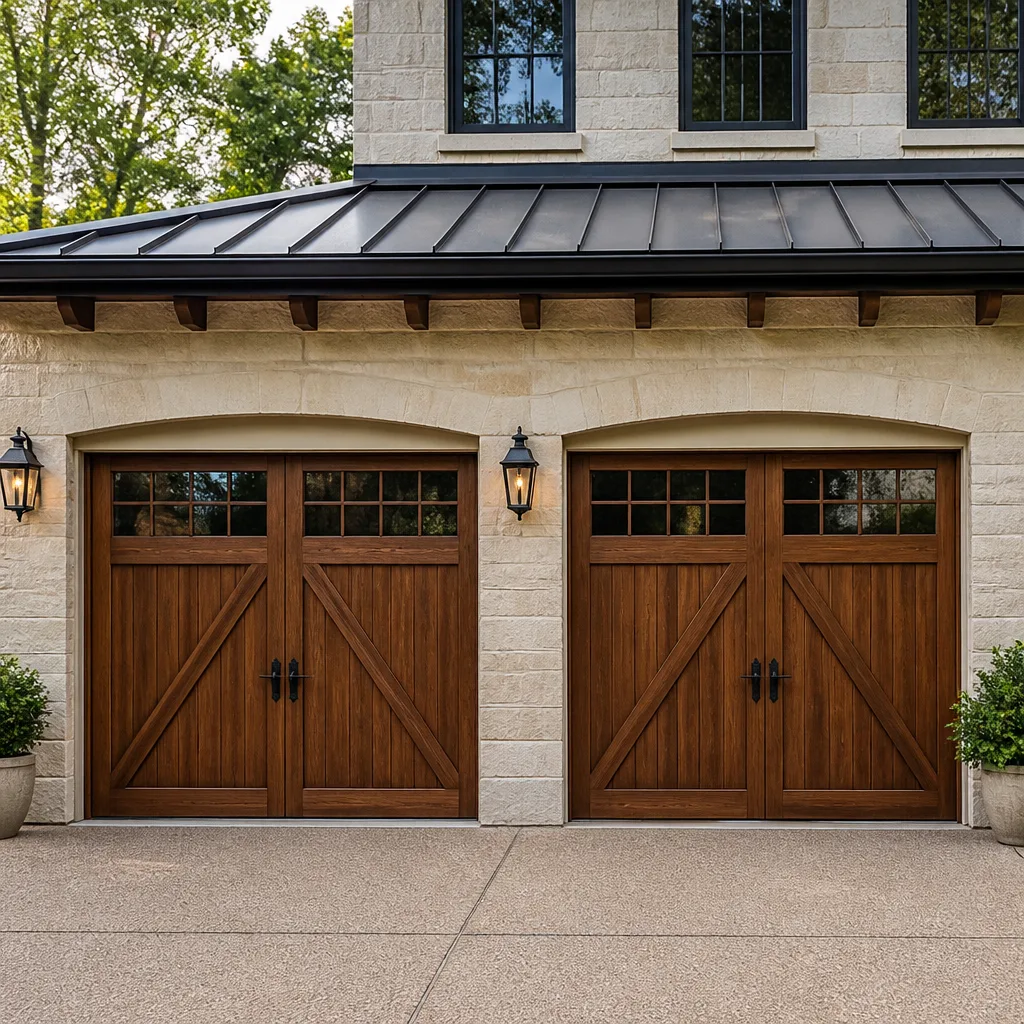 Carriage house
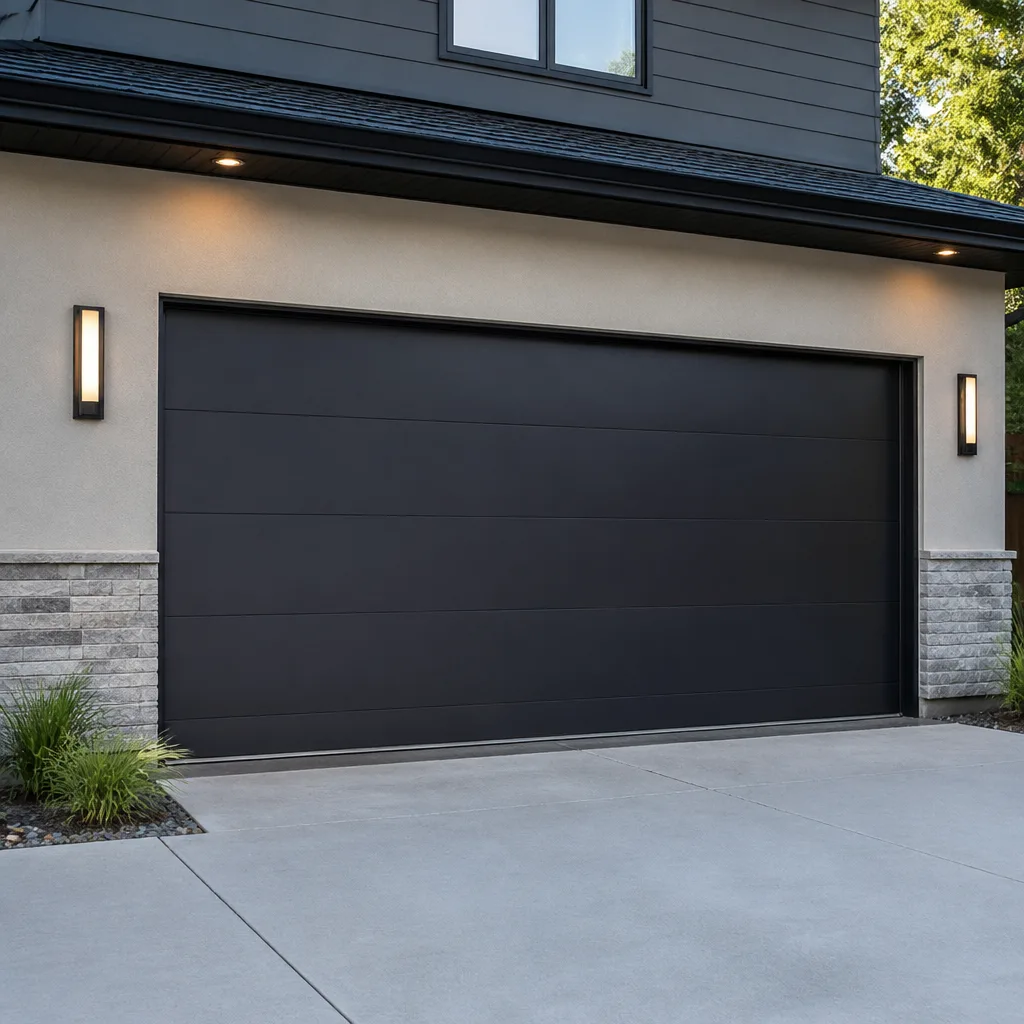 Modern flush
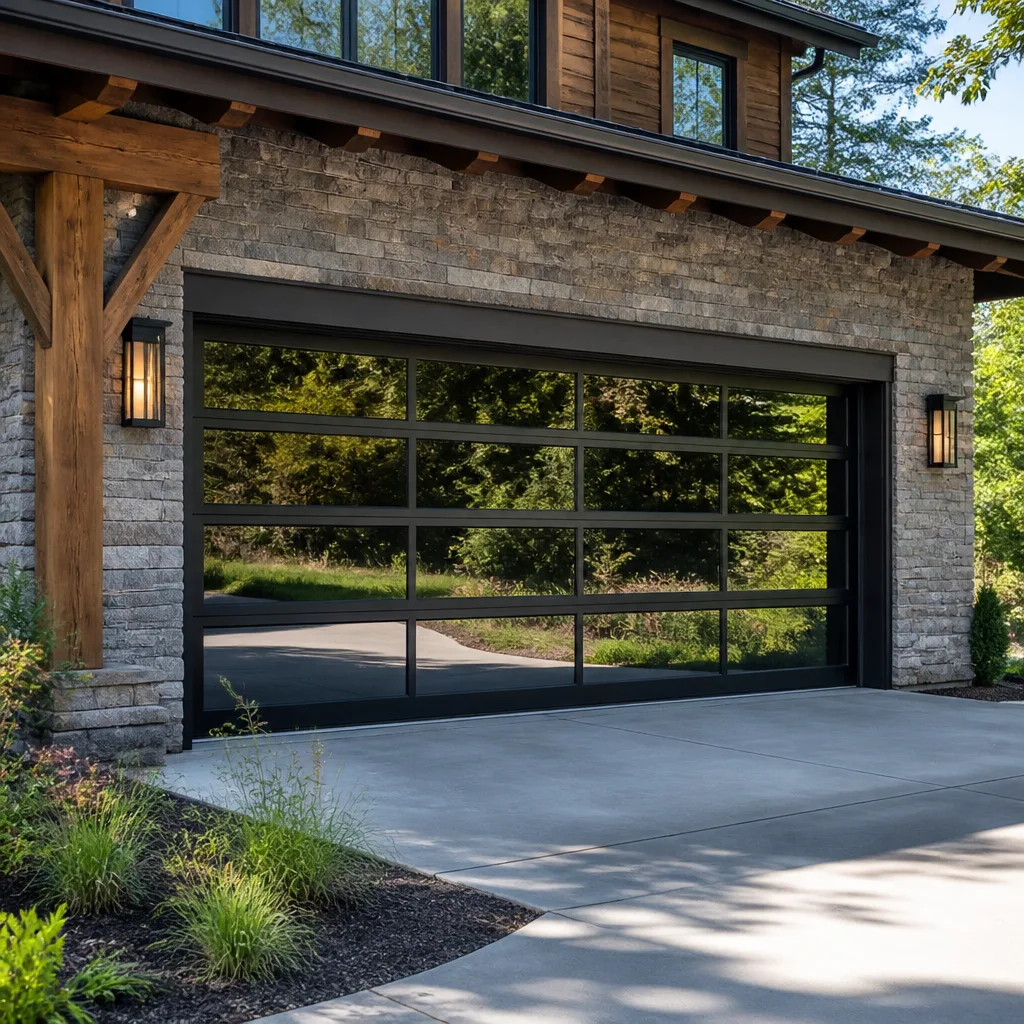 Full-view glass
 LiftMaster openers
 Chamberlain openers
Full 25-point door and opener safety check with every visit - springs, cables, rollers, tracks, and your LiftMaster or Chamberlain opener included
You get a price before we start. It does not change when the pro arrives.
Get your free estimateGarage Door Emergency Preparedness Guide for St. Louis Homes
During a tornado warning, the worst thing you can do is open your garage door to “equalize pressure.” That myth persists, it’s wrong, and it turns your door into a sail at exactly the moment it needs to be a wall. St. Louis sits in a tornado corridor and sees more than 50 days of severe weather a year, which makes the largest, most structurally vulnerable opening in most homes a piece of emergency equipment, not just a convenience. This guide covers what to do with your door before, during, and after a storm: how to run it by hand in an outage, the inspection sequence to follow before you touch the opener, what wind load ratings actually mean here, and exactly what to document for a Missouri insurance claim. Read it once now, so you’re not learning it in the dark.
Quick Answer
Before severe weather hits St. Louis, close your garage door, secure it, and leave it shut – never open it to “equalize pressure,” which is a myth that can cause the door to fail. After a storm, don’t run the opener until you’ve inspected springs, cables, tracks, and panels by eye. If you find damage, stop and call a trained technician at (866) 942-7683 for a free estimate.
Styles & brands we work with
- Raised-panel steel
- Carriage house
- Modern flush
- Full-view glass
- LiftMaster openers
- Chamberlain openers
Table of Contents
- What to Do With Your Garage Door During a Tornado Warning
- How to Open Your Garage Door During a Power Outage
- Post-Storm Inspection: The Sequence Before You Run the Opener
- Wind Load Ratings and St. Louis Storm Exposure
- What to Document After Storm Damage for a Missouri Claim
- Pre-Season Preparedness Checklist
- Common Mistakes to Avoid
- When to Call a Professional
What to Do With Your Garage Door During a Tornado Warning
The single most important rule: keep your garage door closed and latched during a tornado warning. A closed door presents a solid face to wind pressure. An open one gives the wind a way inside your home, and it exposes the door itself to uplift forces it was never designed to resist.
The “equalize the pressure” advice you may have heard is a holdover from hurricane folklore, and it doesn’t hold up. Opening a door doesn’t relieve pressure on your house – it creates an opening the wind can pressurize from the inside, which is worse for your roof and walls. Your garage door is engineered as a barrier. Treat it that way.
Before the warning arrives (severe thunderstorm watch)
- Close the door fully and confirm the bottom seal is seated on the floor.
- Unplug nothing, but know where your opener’s manual release is – you’ll want it if power goes out.
- Clear the area under and in front of the door so debris can’t jam it if it shifts.
- Move anything loose in the garage – ladders, bins, tools – away from the door panels.
During the warning
- Stay away from the door. Don’t stand in the garage watching it flex; that’s the exact spot that fails first.
- Move to your safe room or interior space, per your household plan.
- Leave the door shut. Don’t try to open or adjust it mid-storm.
If a door is already damaged or sagging before a system moves in, that’s a weak point worth fixing ahead of time. A sagging panel or a frayed cable has no margin in a wind event, and our garage door repair team can assess it before the season turns.
How to Open Your Garage Door During a Power Outage
Almost every automatic opener has a manual release – usually a red cord hanging from the trolley – that lets you lift the door by hand. Before you pull it, know that a garage door under spring tension is heavy, and a door that’s been damaged or has a broken spring can come down hard. Test the weight with the door closed and the opener disengaged first, and if it won’t lift smoothly or feels far heavier than it should, stop and get help.
Step-by-step: manual operation
- Make sure no one is standing under the door.
- Locate the manual release cord on the opener trolley and pull it down and toward the door to disengage the trolley.
- Lift the door slowly with two hands, using the lift handle if you have one.
- Raise it fully and, if your system has one, lock the door in the open position so it can’t drop.
- When power returns, re-engage the trolley by pulling the cord back toward the opener until it clicks, then cycle the door once with the wall control to confirm it’s running normally.
Before you re-engage the automatic opener
- Look at the door in the up position – are both cables still on the drums, and is the door level?
- Check that the safety sensors on the floor at each side are aligned and the indicator lights are steady.
- Run the door one full cycle and watch it. If it stops, reverses, or sounds different, don’t keep cycling it.
A door that runs unevenly after manual use usually points to a trolley or sensor issue rather than the door itself. That’s a job for garage door opener repair, not a screwdriver and a YouTube video – the drive system and the door are separate disciplines, and each has its own failure points.
Post-Storm Inspection: The Sequence Before You Run the Opener
After a severe weather event in St. Louis, resist the urge to hit the remote and see if everything’s fine. Run through this sequence by eye and by hand first. It takes five minutes and it can save you a much bigger repair.
- Stand back and look at the whole door. Are the panels straight? Any visible dents, buckling, or gaps between sections? A panel that’s been pushed in can bind in the tracks the moment the opener pulls on it.
- Check the tracks. Look for bends, dents, or sections pulled away from the wall. A misaligned track will grind the rollers and can drop the door.
- Inspect the springs. Look at the torsion spring above the door (or the extension springs along the sides). A broken spring shows a visible gap. Do not touch a spring under tension – they store enormous energy, and this is the one part of the system that genuinely injures homeowners.
- Look at the cables. Both cables should be taut and seated on their drums. A cable that’s come off, is frayed, or is hanging loose means the door is no longer safely supported. Stop here.
- Check the bottom seal and hinges. Make sure nothing’s jammed under the door and the hinges are tight.
- Only now, run the opener one cycle and watch the full travel. If it’s smooth and quiet, you’re likely fine.
If anything in that list looks off – a bent track, a slack cable, a panel that won’t sit flat – call a technician before running the opener again. An opener pushing against a jammed door will strip the drive gear or snap a cable, turning a small fix into a big one.
Wind Load Ratings and St. Louis Storm Exposure
Garage doors can be rated for wind pressure, and the rating tells you how much wind the door and its hardware are built to withstand. For homes in St. Louis’s storm corridor, that rating matters more than most homeowners realize – a door rated for ordinary residential conditions has less margin in a high-wind event than a door built and braced for it.
Wind load ratings are typically expressed in pounds per square foot (psf), and they involve more than the door panel itself: the track gauge, the reinforcement struts, the hinges, and the way the track is anchored to the framing all contribute. A door with a higher wind rating usually carries heavier-gauge tracks and added bracing.
What this means for your home
- If you’re replacing a door, ask about wind-rated options – Clopay and Amarr both offer wind-load-rated door lines, and the choice should match your home’s exposure and your budget.
- If you’re staying with your existing door, a reinforcement strut kit can add bracing to a door that’s already installed. It’s not a substitute for a rated door, but it helps.
- If a storm has bent your tracks or twisted a panel, replacing those parts with heavier-gauge hardware is often the right call rather than reinstalling the same lightweight parts.
Local building departments can tell you what wind provisions apply to your address, and it’s worth a call if you’re building or remodeling. For a straight answer on what your current door can handle, one of our technicians – with up to 14 years of experience across major brands – can look at the door and the bracing and tell you plainly.
What to Document After Storm Damage for a Missouri Claim
If a storm damages your garage door in St. Louis, document it immediately – before you clean up, before you move anything, and before you make a repair. Missouri homeowner policies generally cover sudden storm damage, but the adjuster needs evidence of what happened and when. The better your record, the smoother the claim.
Documentation checklist
- Photograph everything. Wide shots of the whole door and garage, then close-ups of each damaged panel, bent track, and any debris that hit the door. Include something for scale if you can.
- Note the date and time of the storm and when you first noticed the damage.
- Save any receipts for emergency measures you take to prevent further damage (a tarp, a temporary brace), because most policies reimburse reasonable mitigation.
- Don’t throw away damaged parts until the adjuster has seen them.
- Get a written repair estimate from a licensed technician – the adjuster will want one, and it protects you from a lowball settlement.
- Call your insurer promptly. Missouri policies generally require prompt notice of a claim, so don’t sit on it while you shop around.
Keep the difference between “storm damage” and “wear and tear” clear in your mind. A spring that snapped in a windstorm may be argued as a wear item; a panel that was struck by debris is clearly storm damage. Photos and a technician’s written assessment help make that distinction for the adjuster. If you’re not sure whether your damage is storm-related or just age, that’s a conversation worth having before you file.
Pre-Season Preparedness Checklist
St. Louis storm season rewards the homeowner who does a little maintenance in the calm weeks. Run through this list once before spring and again in late summer, ahead of the fall storm window.
- Test the manual release. Pull it, lift the door by hand, and confirm it’s balanced – it should lift easily and stay put when you let go halfway.
- Lubricate the moving parts. A few drops of garage-door lubricant on the rollers, hinges, and spring (not the tracks) keeps things quiet and reduces strain.
- Check the balance. With the opener disengaged, lift the door halfway – if it won’t hold, the springs are wearing and the opener is doing extra work.
- Inspect the springs and cables by eye. Look for gaps in the spring, fraying on the cables, or anything that’s come off its drum.
- Test the safety reverse. Put a block of wood in the door’s path and confirm the door reverses on contact.
- Check the weather seal. A torn bottom seal lets wind-driven rain and debris into the garage and puts stress on the door’s lower panels.
- Confirm your opener’s battery backup, if it has one. Many modern Chamberlain and Genie openers accept a backup battery that keeps the door working in a power outage – worth checking before you need it.
If your checklist turns up a worn spring, a frayed cable, or a door that won’t stay balanced, get it handled while the weather is calm. Our Landon Garage Door Repair team works on what you already have, and we’ll tell you honestly whether it’s a repair or a replacement.
Common Mistakes to Avoid
- Opening the door to “equalize pressure” during a tornado warning. This is the myth that costs people their doors and, sometimes, their roofs. Keep the door closed. The wind doesn’t need your help getting inside.
- Running the opener before inspecting after a storm. Hitting the remote on a door with a bent track or a slack cable turns a small fix into a stripped drive gear or a snapped cable. Inspect first, run second.
- Standing under the door while testing it. A garage door under tension is heavy and unforgiving. Test from the side, and never stand beneath a door that’s been storm-stressed.
- Trying to fix a broken spring or cable yourself. These parts store enough energy to cause serious injury. Look, don’t touch – call a technician.
- Cleaning up storm debris before you photograph it. Missouri adjusters want to see what happened, and a cleared garage gives them nothing to work with. Photograph first, tidy second.
- Assuming a sagging door is just “old.” A door that’s out of balance is straining the opener every time it runs, which shortens the life of both. Get it checked.
- Ignoring the door’s wind rating when replacing it. In St. Louis’s storm corridor, a door chosen only on looks or price can leave you under-braced where it counts. Ask about wind-rated options.
See the difference
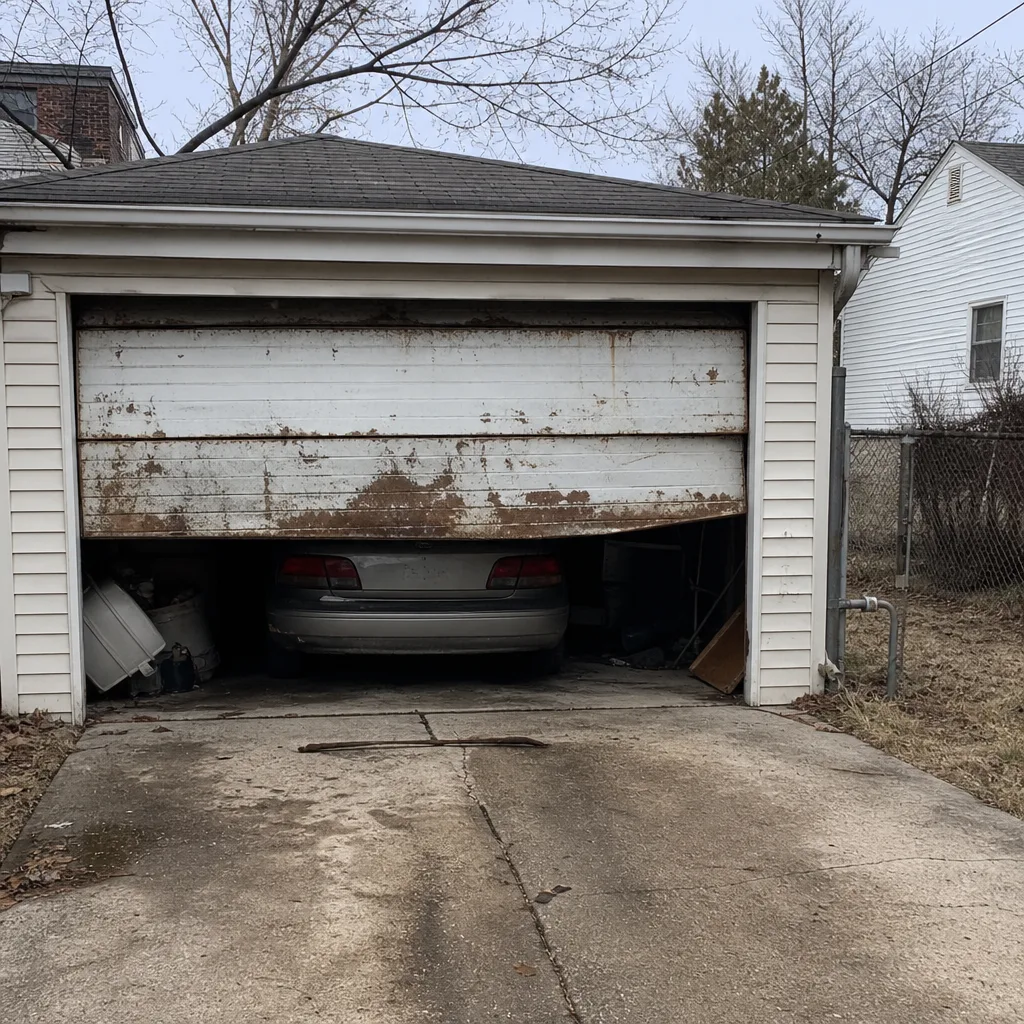 Before
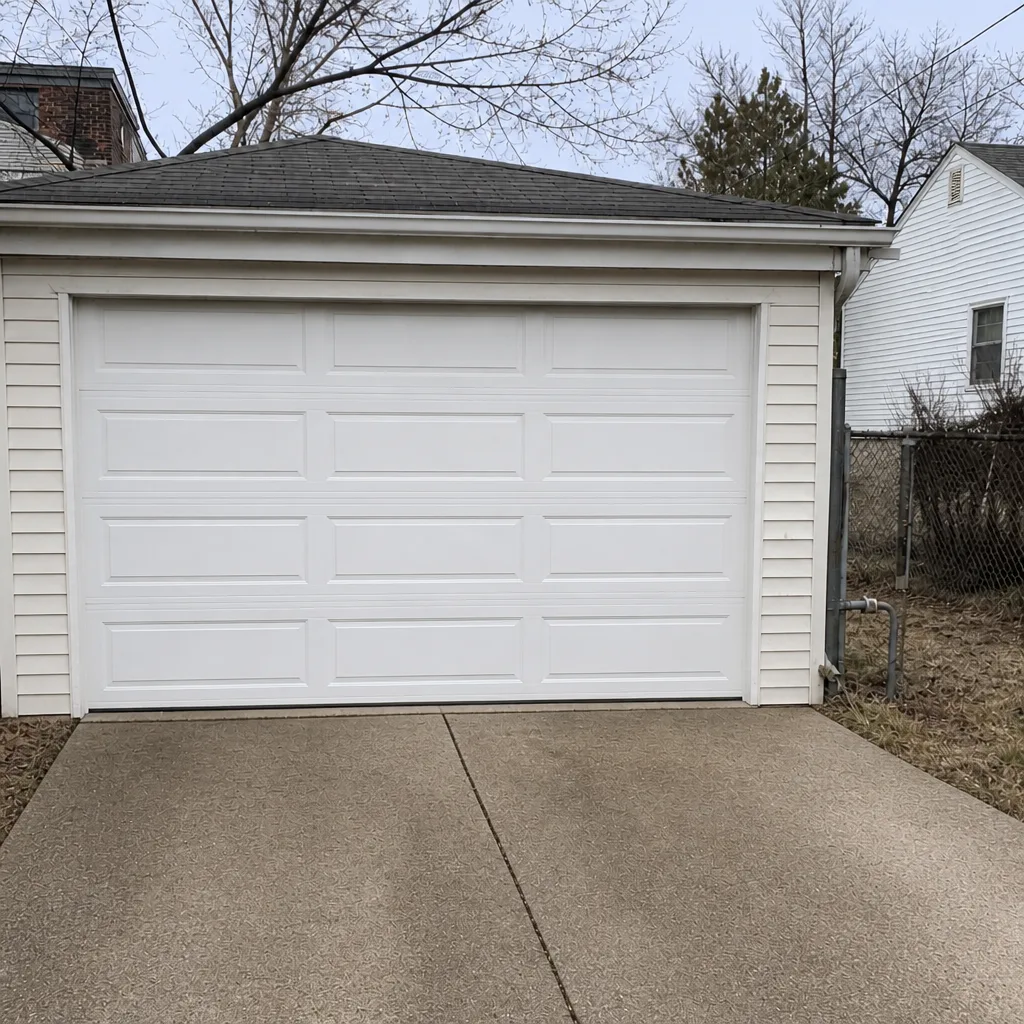 After
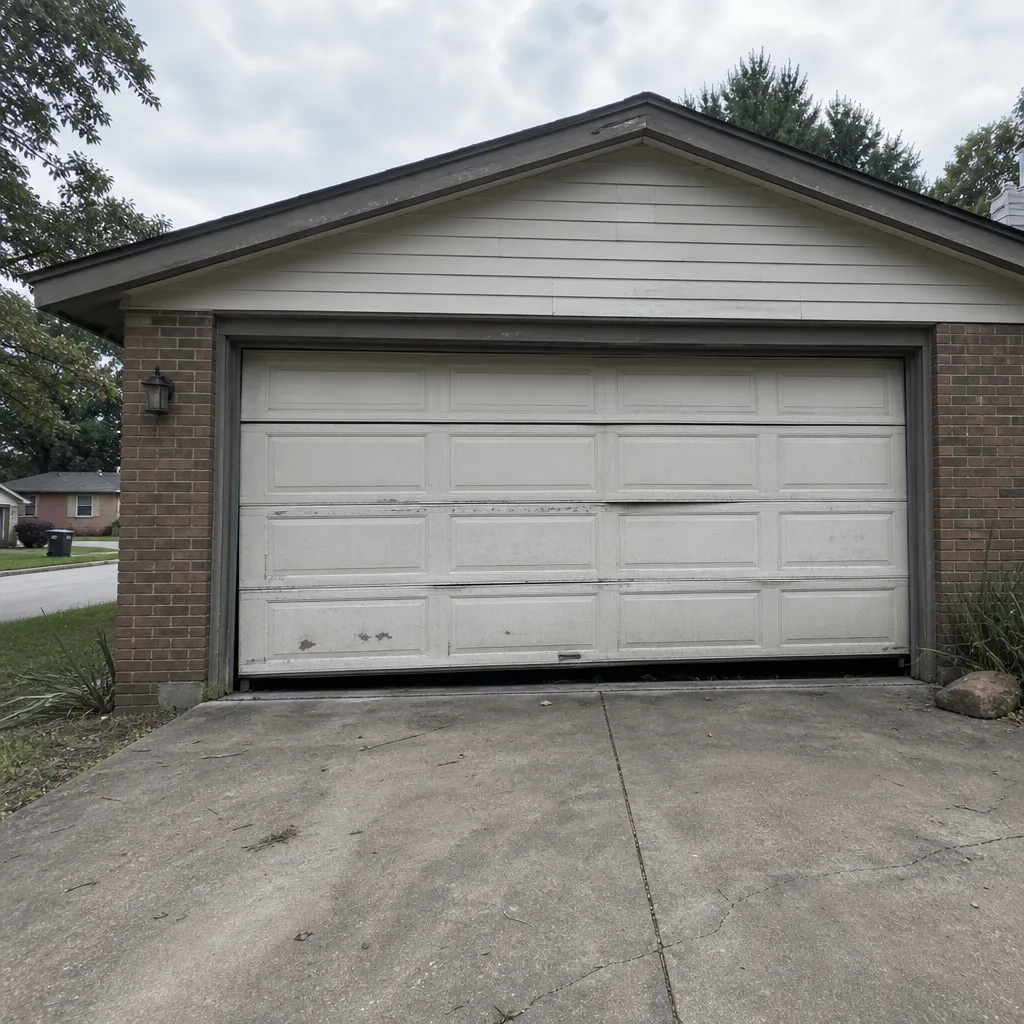 Before
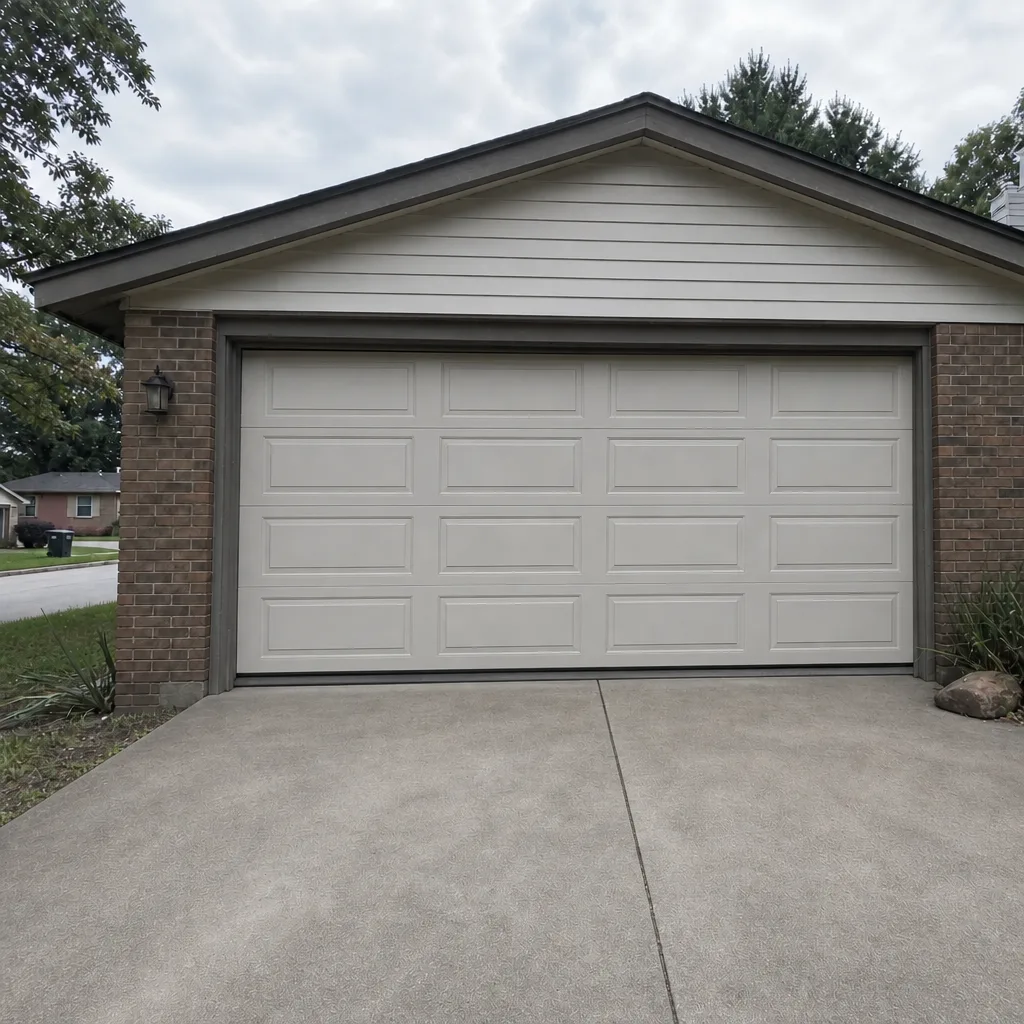 After
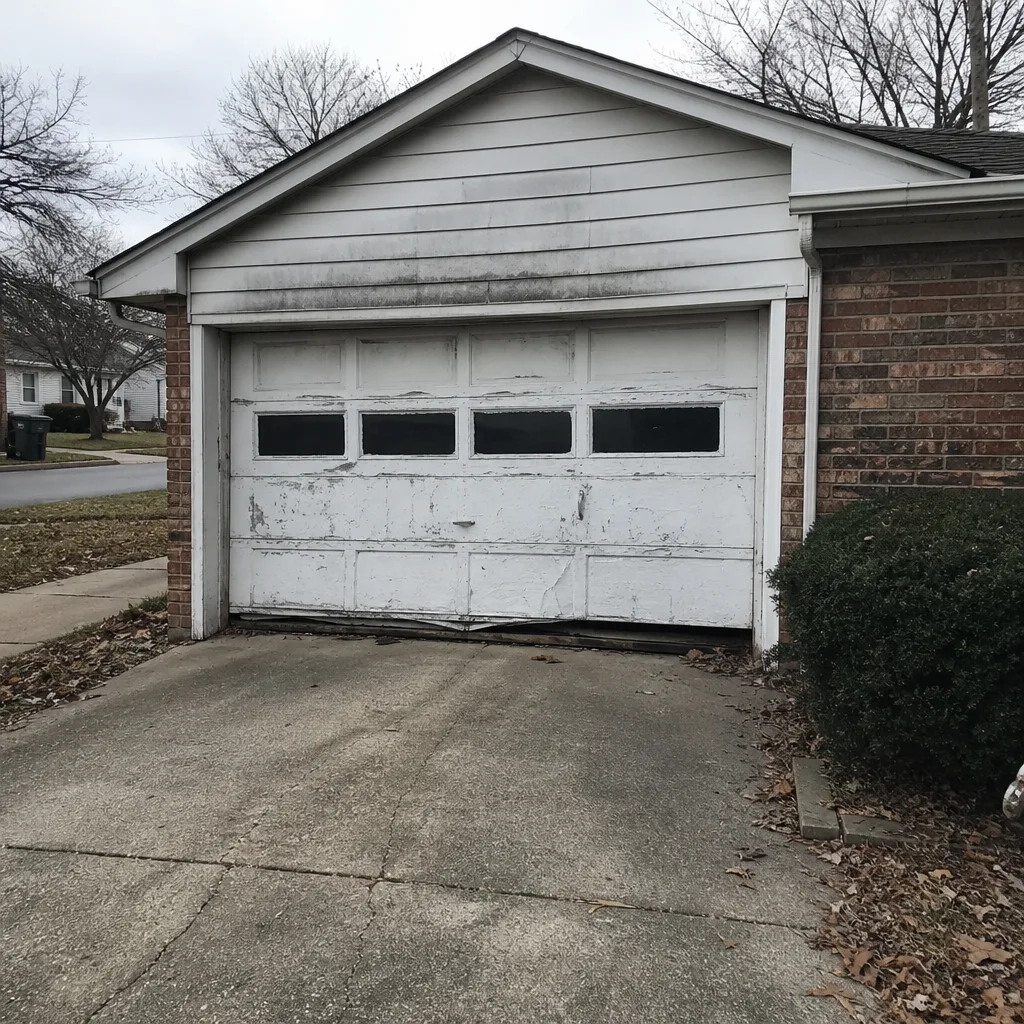 Before
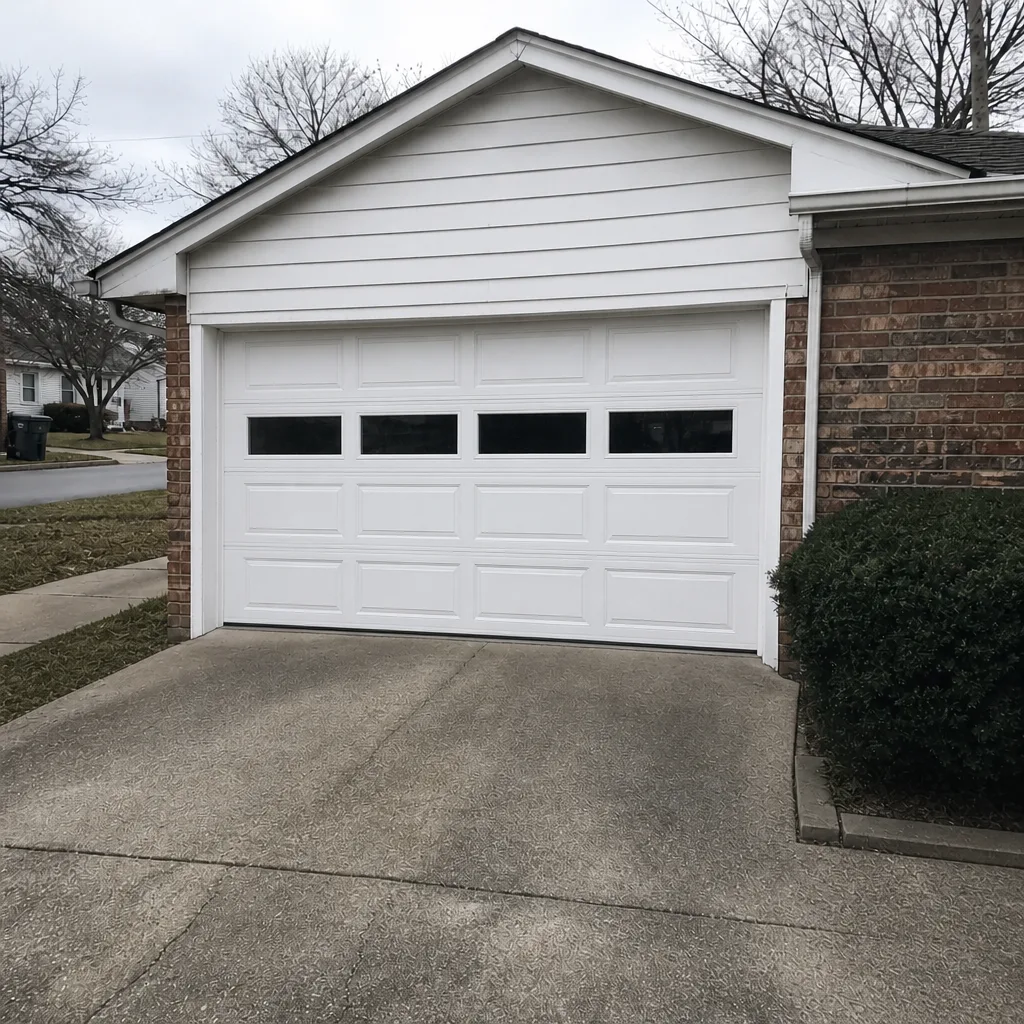 After
When to Call a Professional
Call a technician when you find a broken spring, a cable off its drum, a bent track, or a door that won’t stay balanced. Call us if the opener runs but the door doesn’t move, if the door reverses for no reason, or if it’s making new noises after a storm. And call us if a storm has damaged panels or hardware and you need a written estimate for an insurance claim – a clear assessment protects your settlement. Some of this is genuinely dangerous to handle yourself, and the rest is faster and cheaper to get right the first time. Landon Garage Door Repair offers free estimates in St. Louis – call (866) 942-7683. We answer 24/7. Fast dispatch from 7am to 7pm, Sunday through Friday.
Frequently Asked Questions
Keep it closed and latched, and stay away from it. A closed door presents a solid barrier to wind pressure; an open one lets wind inside and exposes the door to uplift forces it wasn’t built to take. Never open it to “equalize pressure” – that’s a dangerous myth. Move to your safe room and leave the door alone. Call (866) 942-7683 for an exact quote on any needed repair – estimates are free.
Pull the manual release cord on the opener trolley to disengage it, then lift the door slowly by hand with two hands. Test the weight first – a damaged door or a broken spring can make it fall. When power returns, re-engage the trolley and run one cycle. If it won’t lift smoothly, call (866) 942-7683 – estimates are free.
No. Inspect first: look at the panels, tracks, springs, and cables by eye, and check that the door is level and the safety sensors are aligned. Running an opener against a jammed or storm-stressed door can strip the drive gear or snap a cable. If anything looks off, call (866) 942-7683 for a free estimate before you run it again.
There’s no single answer for every home – it depends on your exposure and what your local building department requires for your address. Wind load ratings are expressed in pounds per square foot and involve the panel, track gauge, bracing, and anchors. If you’re replacing a door, ask about wind-rated options from Clopay or Amarr. Call (866) 942-7683 to have a technician assess your door.
Most Missouri homeowner policies cover sudden storm damage, but the adjuster needs evidence. Photograph the damage before you clean up, keep damaged parts, save receipts for emergency mitigation, and get a written repair estimate. Keep the distinction between storm damage and ordinary wear clear. Call (866) 942-7683 for a written estimate – it’s free.
Often, yes. We dispatch Sunday through Friday from 7am to 7pm and can usually get a technician out the same day for storm-related repairs. Call (866) 942-7683 for an exact quote – estimates are free and the price is agreed before any work starts.
The Bottom Line
Your garage door is the biggest moving part of your house, and in St. Louis’s storm corridor it deserves an emergency plan, not just a service schedule. Keep it closed during tornado warnings. Know how to release it by hand in an outage. Inspect before you run the opener after any severe weather. Understand what a wind rating means for your home, and document storm damage before you touch a thing. None of that requires a technician – but when the inspection turns up a broken spring, a bent track, or a slack cable, stop and call one. That’s where we come in. If a storm has damaged your door or opener, call (866) 942-7683 for a free estimate. We work on what you already have – from a broken spring to a full new door – and we’ll tell you the right fix, not the most expensive one.
For more on the neighborhoods and communities we serve across St. Louis, see our local pages.
Written by the team at Landon Garage Door Repair.