
Last updated November 16, 2026
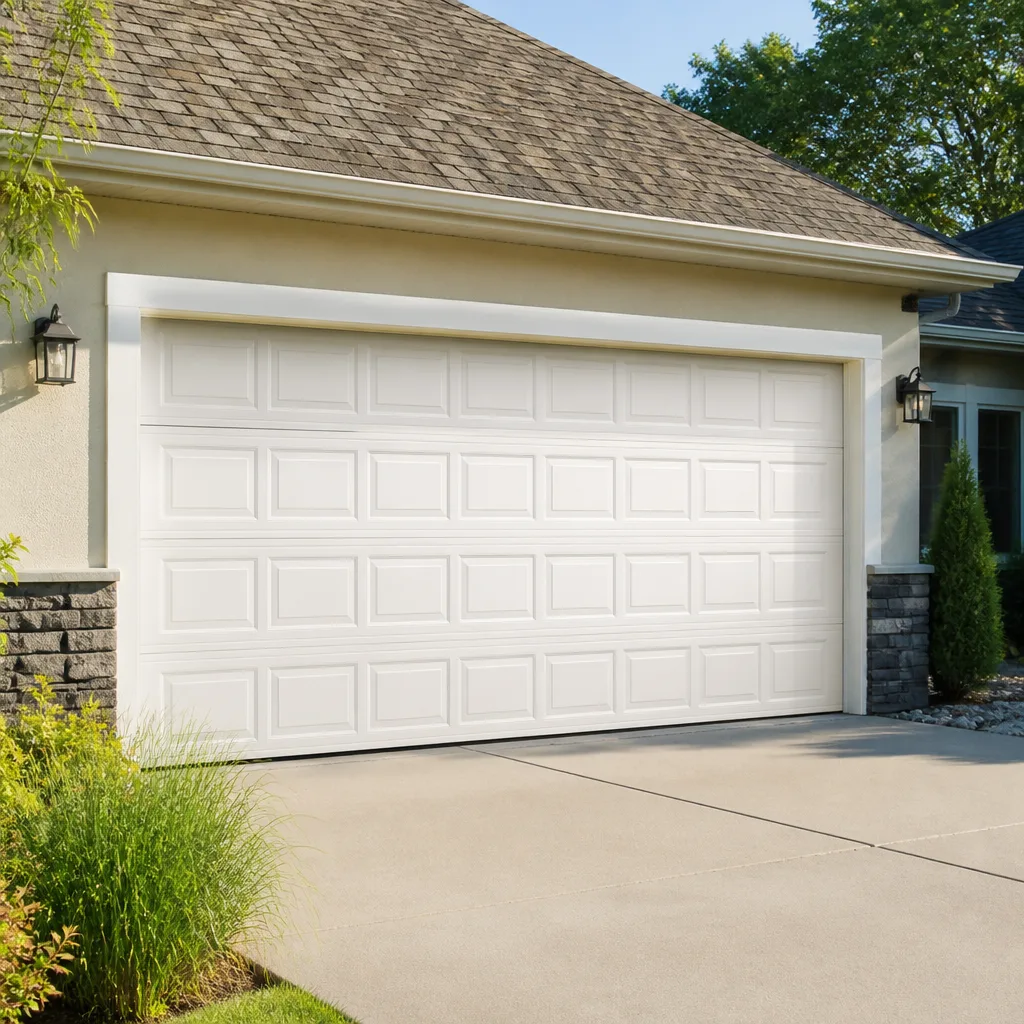 Raised-panel steel
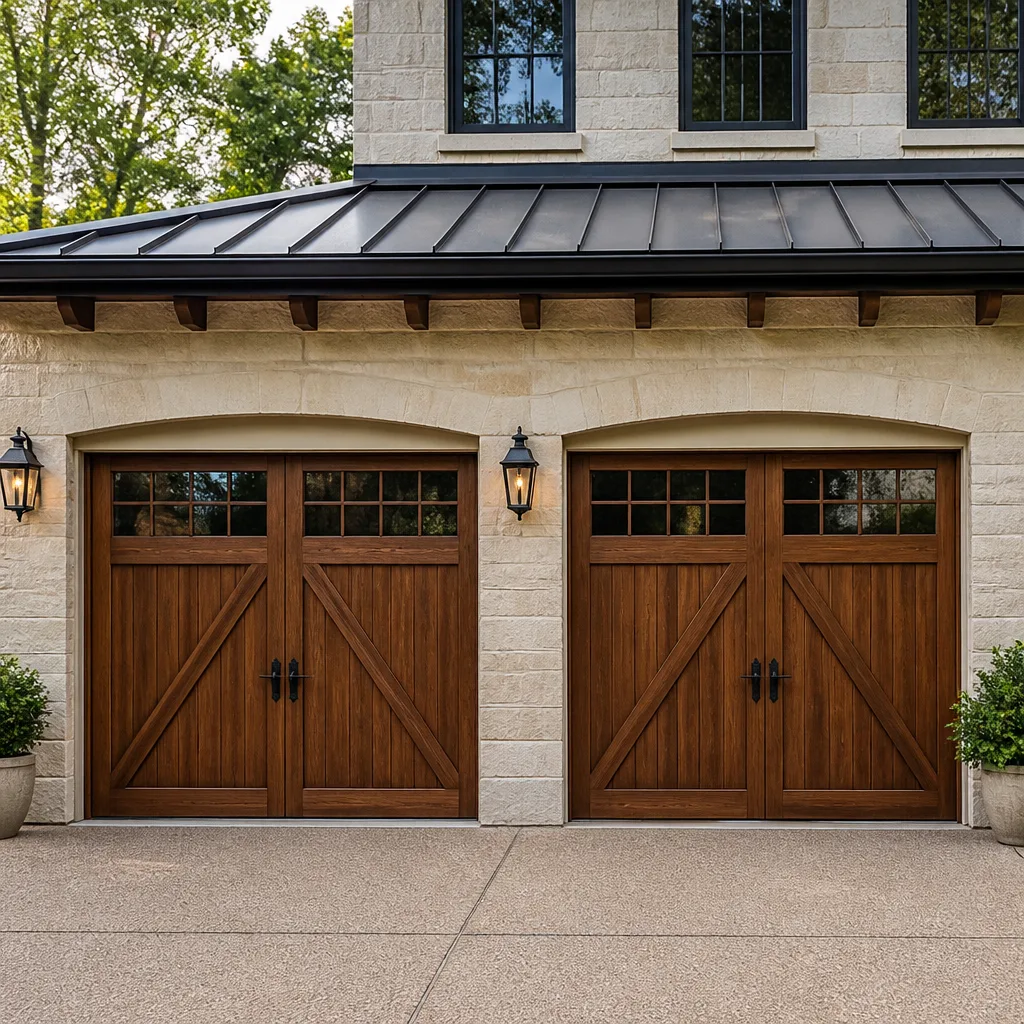 Carriage house
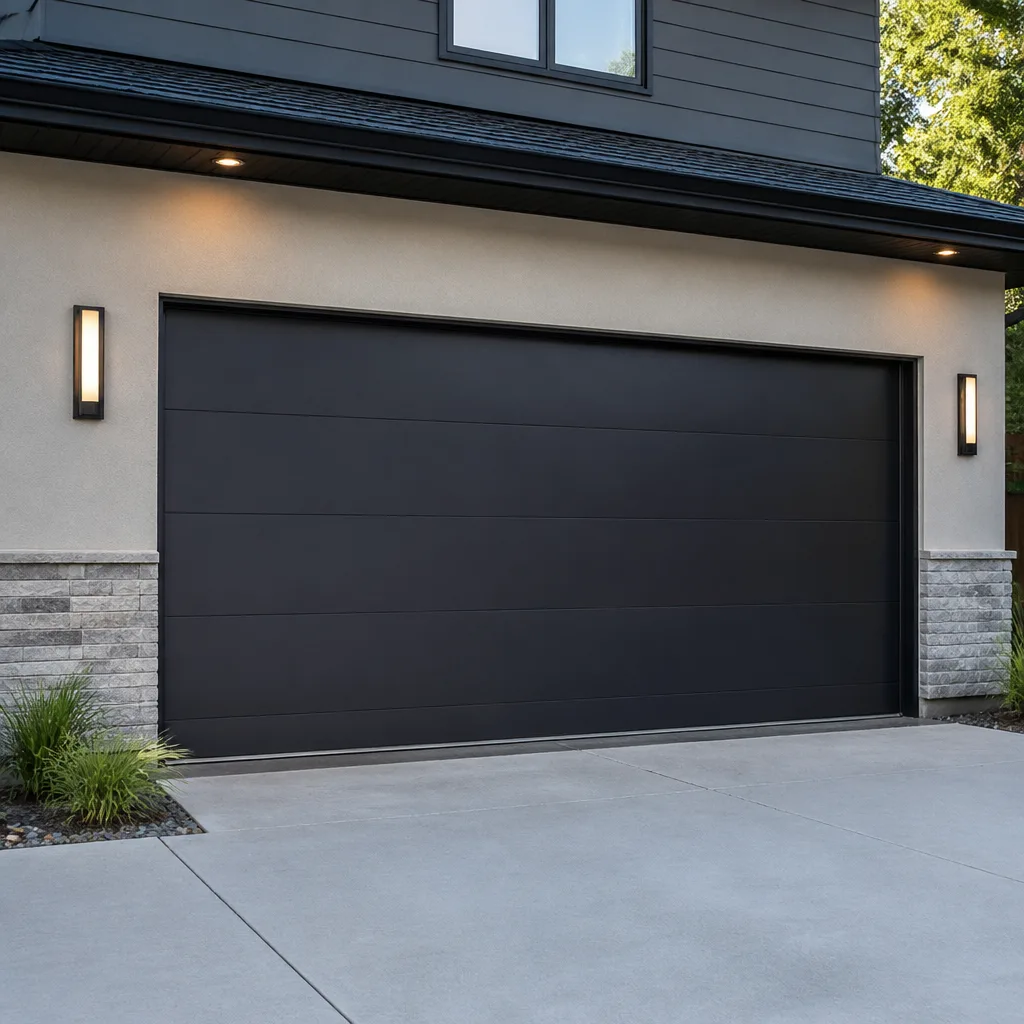 Modern flush
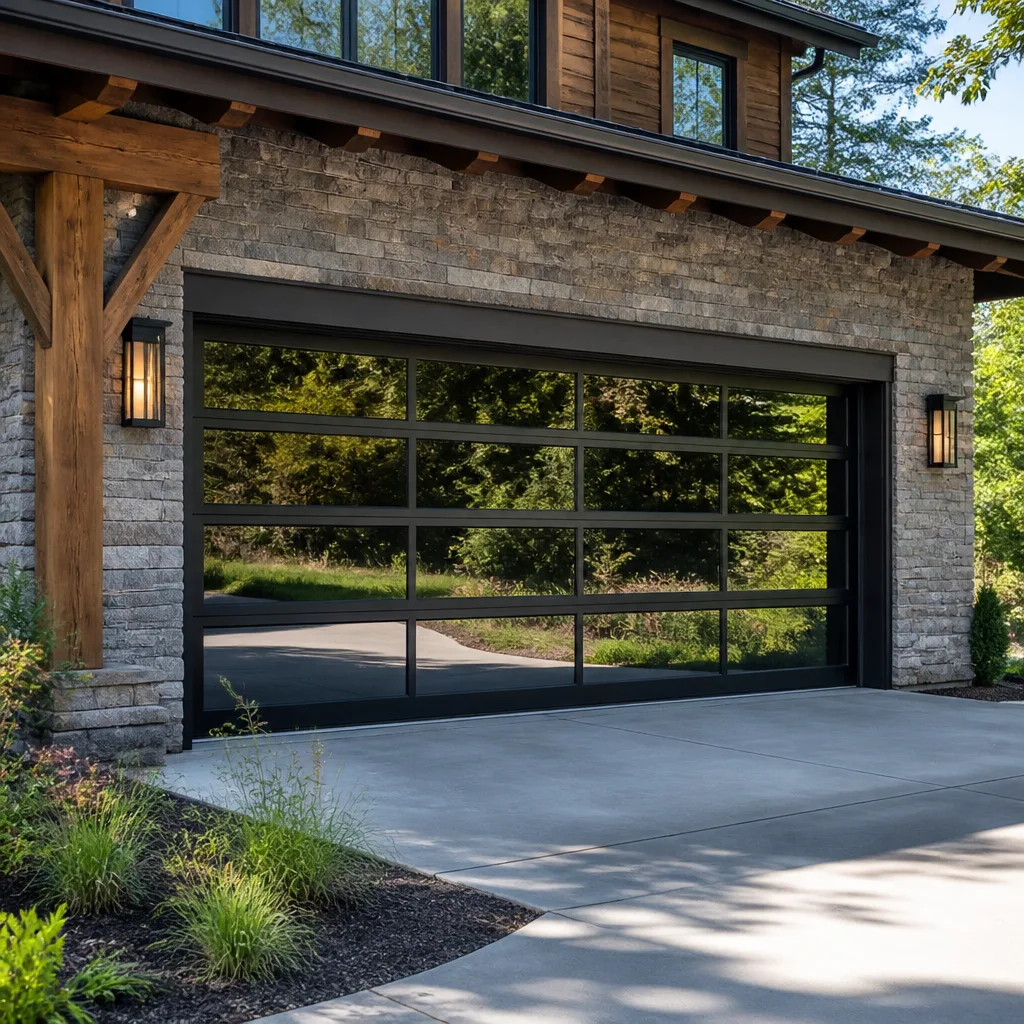 Full-view glass
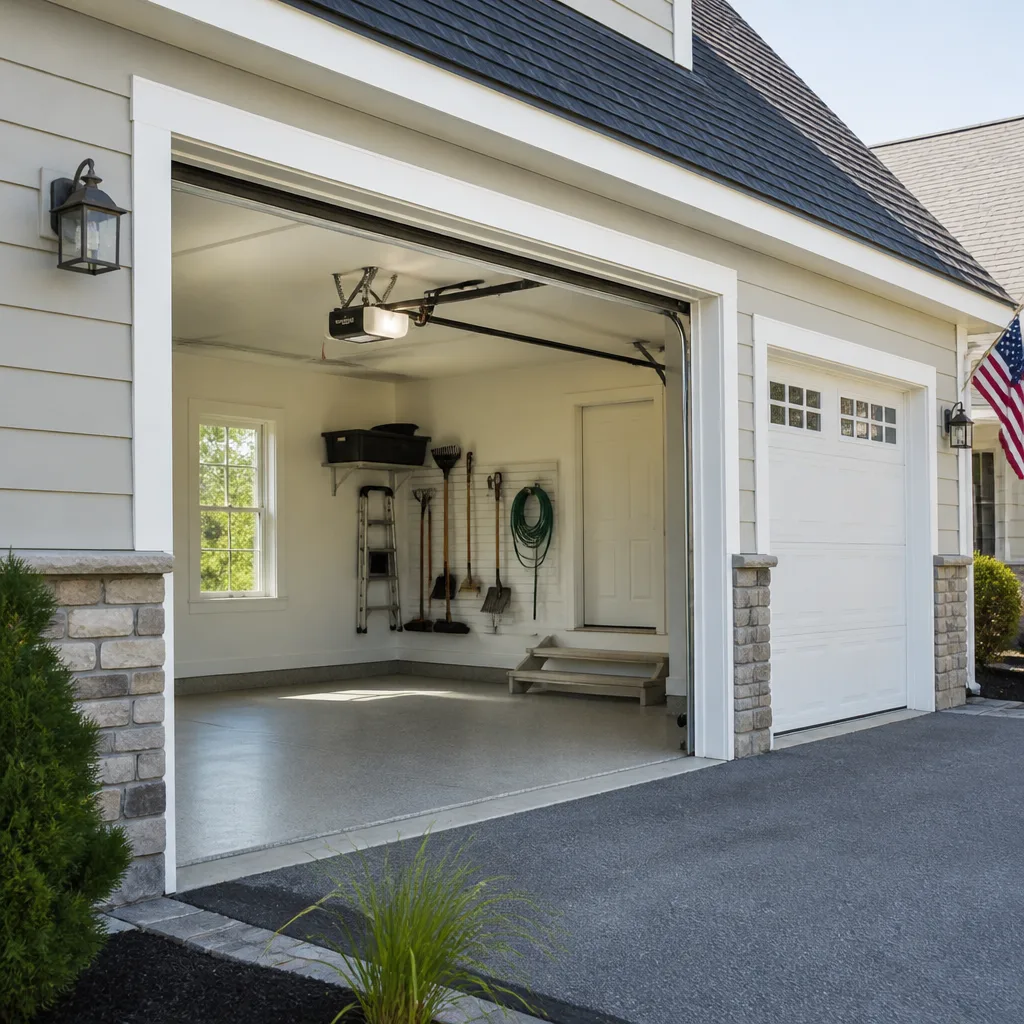 LiftMaster openers
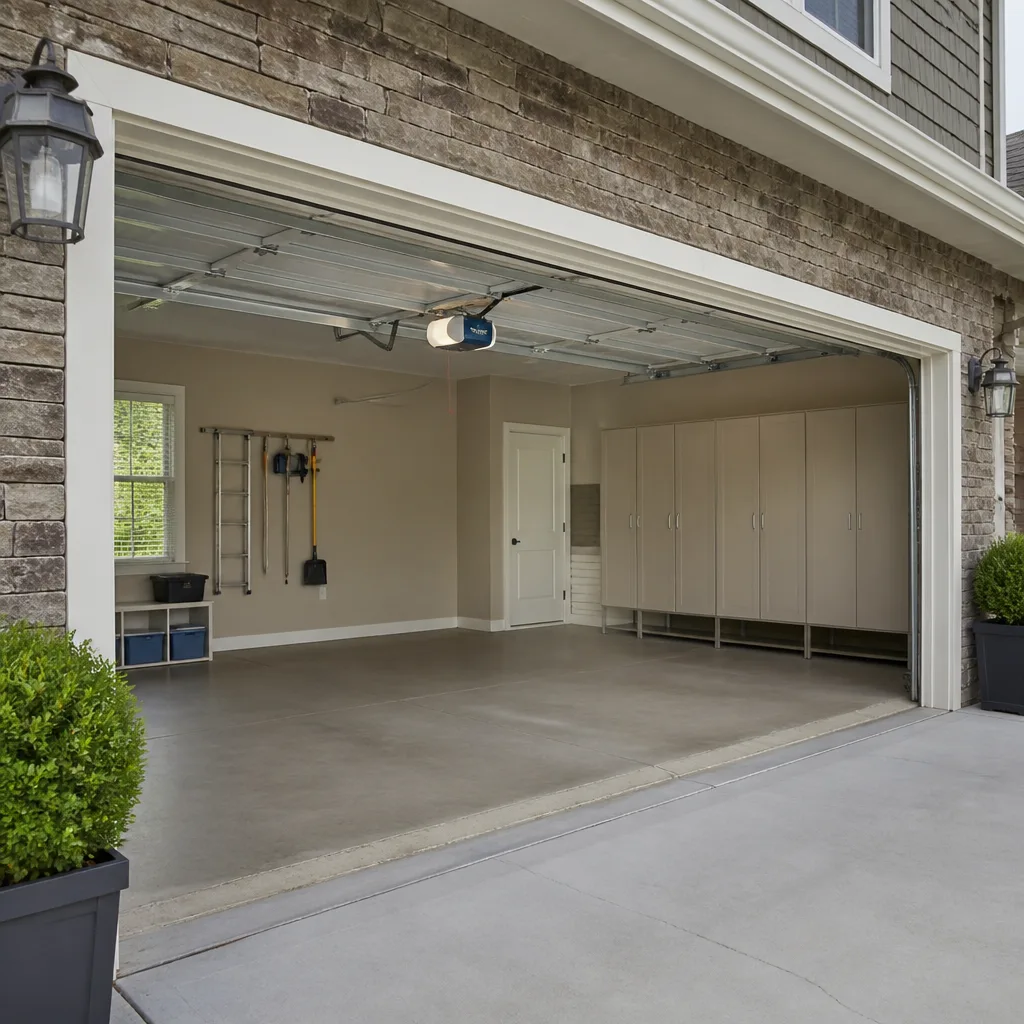 Chamberlain openers
Full 25-point door and opener safety check with every visit - springs, cables, rollers, tracks, and your LiftMaster or Chamberlain opener included
You get a price before we start. It does not change when the pro arrives.
Get your free estimateThe Complete Guide to Garage Doors in St. Louis
Most garage door guides are written for a house that doesn’t exist here. They assume a wide, flat, climate-controlled suburban footprint in a warm state, and they treat “insulation” as an optional upgrade for people who park luxury cars. A St. Louis garage is a different animal. It’s framed into a house that may predate modern insulation standards, it sits on clay soil that swells and shrinks with the seasons, and it takes a beating from humid summers followed by hard freezes. The advice that works in Phoenix can cost a St. Louis homeowner real money. This guide translates the local conditions – the clay, the freeze-thaw, the older housing stock, the specific brands already installed on thousands of driveways – into decisions you can actually use.
Quick Answer
The right garage door decision in St. Louis starts with what your house was framed for, not with what looks good in a showroom. An insulated door pays for itself fastest in our USDA Zone 6a climate, spring and opener service should match the brand you already own, and any door on a home built before 1980 needs its framing and track alignment checked before you replace a single panel. Reading your existing system correctly is worth more than any upgrade.
Styles & brands we work with
- Raised-panel steel
- Carriage house
- Modern flush
- Full-view glass
- LiftMaster openers
- Chamberlain openers
Table of Contents
- How St. Louis Climate Ages a Garage Door
- Clay Soil, Foundation Movement, and Door Frame Alignment
- Why Insulated Doors Earn Their Price in Zone 6a
- What Fits St. Louis’s Bungalow, Tudor, and Brick Ranch Stock
- Big-Box Installer vs. Multi-Brand Specialist
- Your Opener Is a Separate Discipline
- Reading a Door System You Inherited With the House
- The Spring and Cable Safety Line
How St. Louis Climate Ages a Garage Door
St. Louis weather runs a door through more thermal cycles in a year than most of the country sees in three. A spring might sit at 30 degrees in February and 100 in July. Steel panels expand and contract with that swing, which loosens fasteners, works hinges, and slowly wears the paint at the panel seams where moisture gets a foothold. This is why you’ll see rust starting along the bottom of older doors around St. Louis rather than in the middle of a panel – the bottom section takes the splash and holds it.
Freeze-thaw is the bigger story. When water gets into a hairline crack in the concrete apron in front of the door and freezes, it lifts and shifts the slab. A door that closed cleanly in October can drag on the apron by January. The torsion springs overhead aren’t immune either. Cold makes steel more brittle, and a spring already near the end of its life is far more likely to snap during a hard cold snap than on a mild day. In our experience, spring failures cluster in the coldest weeks of the year and again after the first big temperature swings of spring.
Humidity handles the rest. Our summers push moisture into wood jambs, which swell and pinch the door’s travel. By fall they dry and shrink, leaving gaps that whistle in the wind. If your door seems to stick for a few weeks every summer and then free, that’s not your imagination. It’s the wood doing what wood does in a humid climate. Keep the door’s moving parts lubricated and the weather seal in good shape, and you’ll reduce the wear that comes from all this back-and-forth.
Clay Soil, Foundation Movement, and Door Frame Alignment
St. Louis sits on expansive clay, and that clay moves. It swells when wet and shrinks when dry, and it takes the foundation with it, sometimes by fractions of an inch, sometimes more. A garage door opening is unforgiving about movement. The vertical tracks are bolted to the jambs, and if one side of the opening shifts even a little out of plumb, the door starts to bind. You’ll hear it before you see it: a scrape, a lurch, a gap on one side when the door closes.
This is the single most overlooked cause of garage door trouble in St. Louis, and it’s why swapping in a new door without checking the opening is a mistake. If the framing is out of square, a brand-new door will bind exactly like the old one did. Before any replacement, the opening needs to be measured and the tracks checked for plumb and alignment. Sometimes the fix is adjusting the track brackets. Sometimes the opening itself has to be addressed. Either way, you want to know before you buy.
Watch for these signs that framing movement is affecting your door:
- The door drags on one side but not the other
- A visible gap along one side or the top when the door is fully closed
- Scrape marks on the track or the door’s edge
- The door closes hard or needs a second try to latch
- New cracks in the garage slab or the apron widening season to season
Catching this early is cheap. Ignoring it wears out rollers, hinges, and the opener’s drive in short order, because the motor is fighting resistance it was never built for.
Why Insulated Doors Earn Their Price in Zone 6a
St. Louis sits in USDA Zone 6a, which means cold winters that regularly dip below freezing and hot, humid summers. A garage attached to the house shares a wall with your living space, and an uninsulated door turns that garage into a heat sink in winter and an oven in summer. Insulation isn’t a luxury here. It’s the difference between a garage that stays reasonably tempered and one that forces your furnace and AC to work against a weak spot all season.
Insulated doors come in three basic constructions worth knowing:
- Single-layer steel – one skin of steel, no insulation. Cheapest, but the noisiest and the least thermally useful. Common on older homes.
- Steel with a polystyrene core – a rigid foam panel sandwiched between steel skins. A solid mid-range choice that quiets the door noticeably.
- Steel with a polyurethane core – denser foam, better insulating value per inch, and stiffer overall. The strongest option for an attached garage in our climate.
Insulation also does something people don’t expect: it makes the door quieter and more rigid. A stiffer door resists the flexing that loosens hardware over years of freeze-thaw cycling. If you have a bedroom or living space above or beside the garage, the noise reduction alone is often worth the jump to an insulated panel. The premium you pay for insulation gets paid back in comfort and in a door that holds up better to St. Louis temperature swings. A licensed professional can help you weigh the construction options against your budget and the rest of your home’s insulation. The written estimate sets the final price, and the price is quoted and agreed before any work begins.
What Fits St. Louis’s Bungalow, Tudor, and Brick Ranch Stock
St. Louis’s older neighborhoods have a lot of character and a lot of unusual garage openings. A 1920s bungalow often has a single, narrow, low-headroom garage, sometimes detached, sometimes tucked under the house. Tudor-style homes in neighborhoods like those around the city’s older cores may have a garage that’s been added or modified over the years, with a header or a soffit that limits how tall a door can be. Brick ranches from the mid-century boom typically have a wider two-car opening with more standard dimensions.
The dimensions matter more than the style. Here’s what to check for each common configuration:
- Bungalow, single and detached: Measure the headroom above the door. Low-headroom setups often need a low-clearance torsion setup or a specific opener, not a standard one.
- Tudor or modified openings: Look for sagging headers and check that the opening is square. Older brick and masonry garages can hide framing movement behind a tidy facade.
- Mid-century brick ranch, two-car: These are the most straightforward to fit, but many still have single-layer steel doors and original openers that need a proper assessment before replacement.
Panel style is the second decision. A carriage-house or raised-panel look suits a Tudor. A cleaner flush or ribbed panel fits a brick ranch. But the style decision is meaningless if the opening won’t accept the door you want. Start with the fit, then choose the look. If your garage was framed for a different era of spring tension and opener voltage, a specialist who works on the system you already own will tell you what’s actually feasible, and Landon Garage Door Repair handles both the door and the opener, so the answer doesn’t come in two separate visits.
Big-Box Installer vs. Multi-Brand Specialist
When your home already has a specific system installed, who does the work matters as much as what they install. A big-box installer typically carries one brand line. That’s fine if you’re starting from scratch and want a package deal, but it’s a problem when your existing door and opener are one brand and the installer only sells another. You end up replacing perfectly serviceable components to fit the product on the truck.
A multi-brand specialist works the other way around. We work on what you already have. Our technicians carry certified working knowledge of eight of the industry’s most common brands – LiftMaster, Chamberlain, Genie, Clopay, Amarr, Wayne Dalton, Craftsman, and Raynor – so they diagnose the actual system in front of them rather than a generic template. If your LiftMaster opener has a bad logic board, we deal with the LiftMaster. If your Wayne Dalton door has a bent bottom section and the rest is sound, we’re not going to tell you the whole door is finished.
That brand-agnostic position has a practical consequence: there’s no financial incentive to steer you toward one manufacturer. Recommendations come down to fit and budget. Here’s how the two models compare in our experience:
- Big-box installer: one brand line, priced as a package, limited ability to service a competing brand’s opener
- Multi-brand specialist: services the system you own, separates door work from opener work, can honestly say whether a repair is worth it or replacement is smarter
The right fix isn’t always the most expensive one. Sometimes it is. The point is that a specialist with no product to push can tell you which, and you can get that free estimate before committing. For the service side specifically, see our garage door repair page.
Your Opener Is a Separate Discipline
The door and the opener are two different machines bolted together, and treating them as one job is where a lot of diagnoses go wrong. A door that won’t open might have a dead opener, a broken spring, an off-track roller, or a safety sensor knocked out of alignment. Each of those lives in a different discipline. A specialist who handles both – the mechanical door and the electronic opener as separate disciplines – can tell which one is actually failing.
Openers have also gotten more complex. Wi-Fi-enabled and smart-home-integrated openers now carry control boards, network modules, and firmware that behave nothing like the simple chain-drive units on older homes. Dedicated garage door opener repair is its own service for exactly this reason. It’s not an afterthought to a spring job. If your Craftsman or Genie opener has lost its remote pairing, or your LiftMaster MyQ connection keeps dropping, or your Raynor system’s safety reverse is behaving oddly, that’s opener work and it deserves a technician who specializes in it.
A few opener symptoms and what they usually point to:
- Motor hums but door doesn’t move: often a stripped gear or a broken spring the opener is trying to lift. The spring is the priority – never force it.
- Door reverses immediately on close: usually a safety sensor alignment issue or a travel limit set wrong.
- Remote works intermittently: battery, interference, or a failing logic board depending on the brand and age.
- Opener runs but chain or belt is slack: drive wear that needs proper adjustment, not a quick tighten.
Door and opener, handled together, means one call rather than two. That’s the whole point.
Reading a Door System You Inherited With the House
If you bought a home in St. Louis and inherited its garage door, you’re looking at a system someone else maintained – or didn’t. Before you use it as your daily driver, it’s worth a careful read. The door may be decades old and working fine, or it may be a few years old and badly installed. Age alone tells you less than condition.
Here’s how to read what you inherited, in order:
- Check the brand on the opener and the door. A Clopay door with a Chamberlain opener is a common pairing. Knowing the brands tells you what parts and service to expect.
- Look at the springs. Torsion springs run along the shaft above the door; extension springs run along the tracks on either side. Rust, gaps in the coil, or a visible stretch mean they’re due. Don’t touch them – more on that below.
- Test the safety reverse. Put a small object in the door’s path and close it. A door that doesn’t reverse needs attention before anyone parks under it.
- Check the tracks for dents and the rollers for flat spots. Bent tracks are a sign something hit the door or the framing moved.
- Inspect the weather seal and the bottom section. A rotten bottom seal lets water in and rots the panel above it.
- Note the door’s travel and balance. Disconnect the opener and lift the door by hand. It should lift smoothly and stay put partway up.
If the balance test fails or the springs look tired, stop there and call a professional. A door that’s off balance is unpredictable, and the parts that fail when it does are under serious tension. Our technicians have up to 14 years of experience reading exactly these systems, and our garage door repair work starts with an honest assessment of what you have.
The Spring and Cable Safety Line
Garage door springs and cables are the most dangerous parts in the whole assembly, and they’re the parts homeowners most often try to handle themselves. A torsion spring under tension stores an enormous amount of energy. When it releases – and it can – it moves fast and with force. Cables under load can whip. This isn’t a place for a DIY fix, and it’s not a place for a general handyman who hasn’t worked on door hardware before.
Here’s the line: you can check for rust, gaps, and visible stretch, and you can lubricate the moving parts. You should not attempt to adjust, release, or replace a wound torsion spring or a loaded cable. A trained technician uses the right winding bars and the right technique, and has seen enough doors to know when a spring is close to failing. If your door is making a sharp bang, has a visible gap in a spring, or won’t lift, keep people and cars clear of it and call. The safety reverse feature is another thing to check regularly – if it doesn’t stop and reverse on contact, don’t use the door until it’s fixed. Treat the whole spring, cable, and tension assembly as a trained-professional area, and the rest of the door becomes far safer to live with.
See the difference
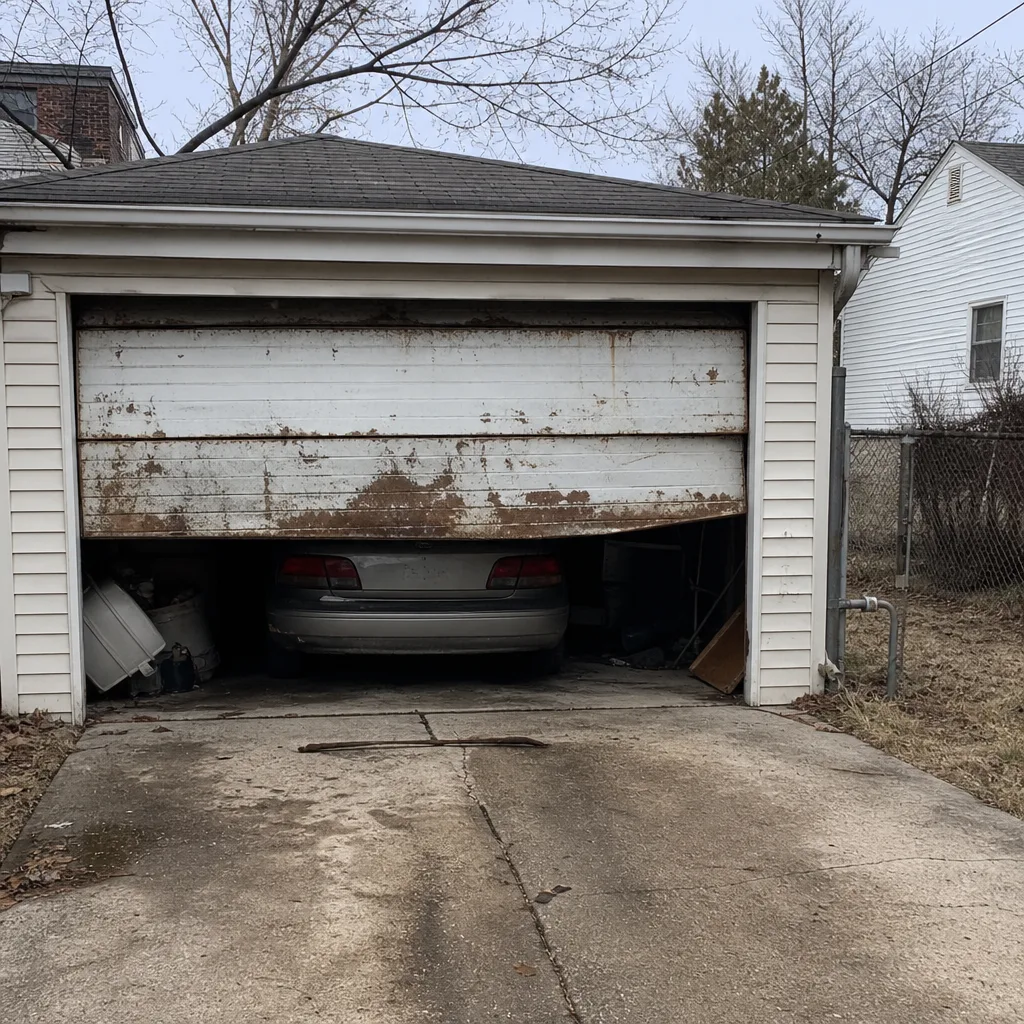 Before
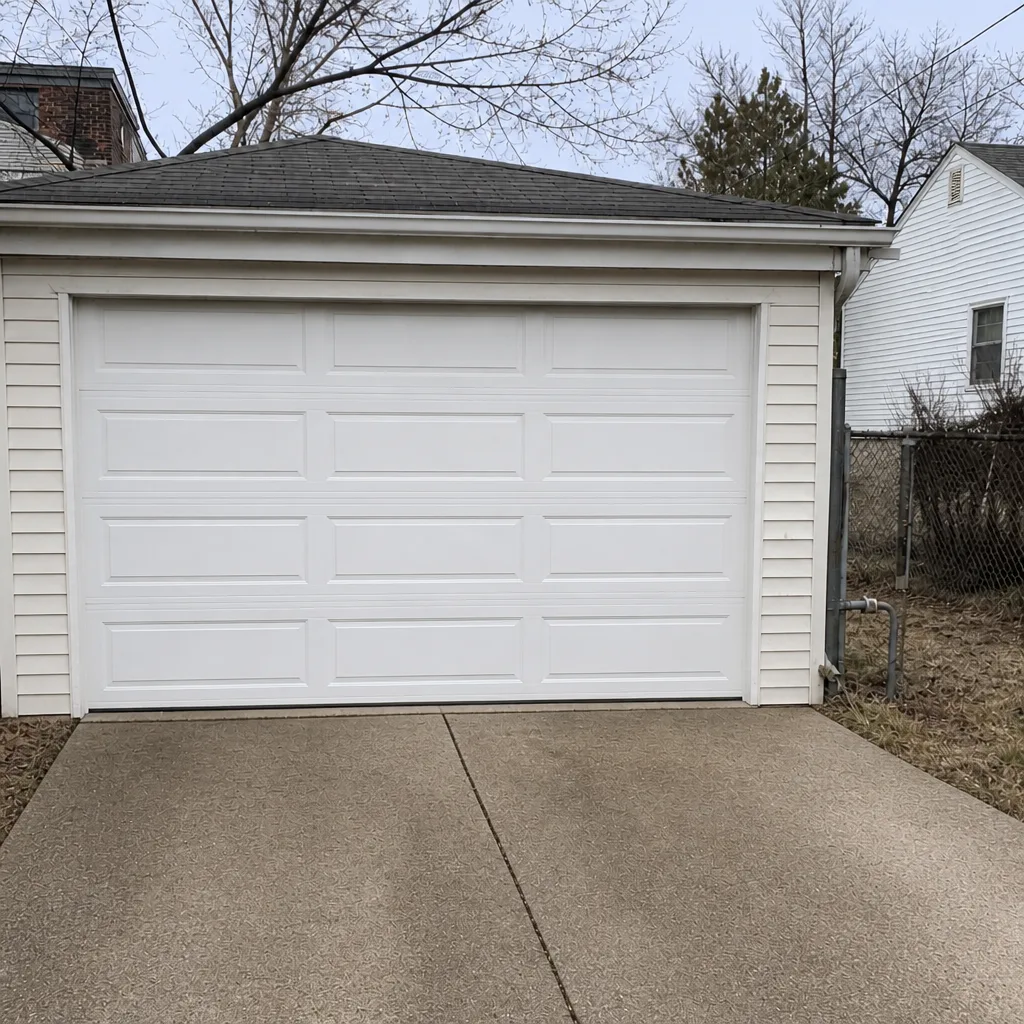 After
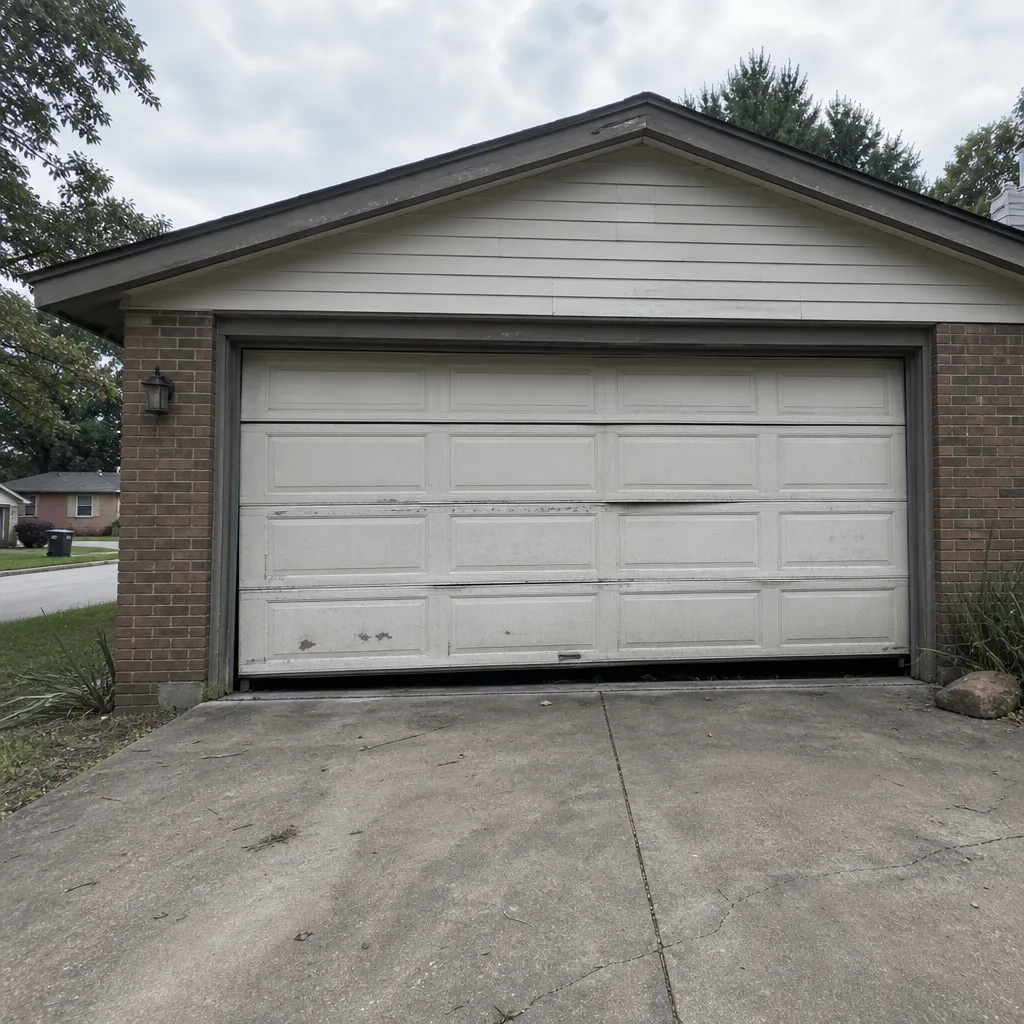 Before
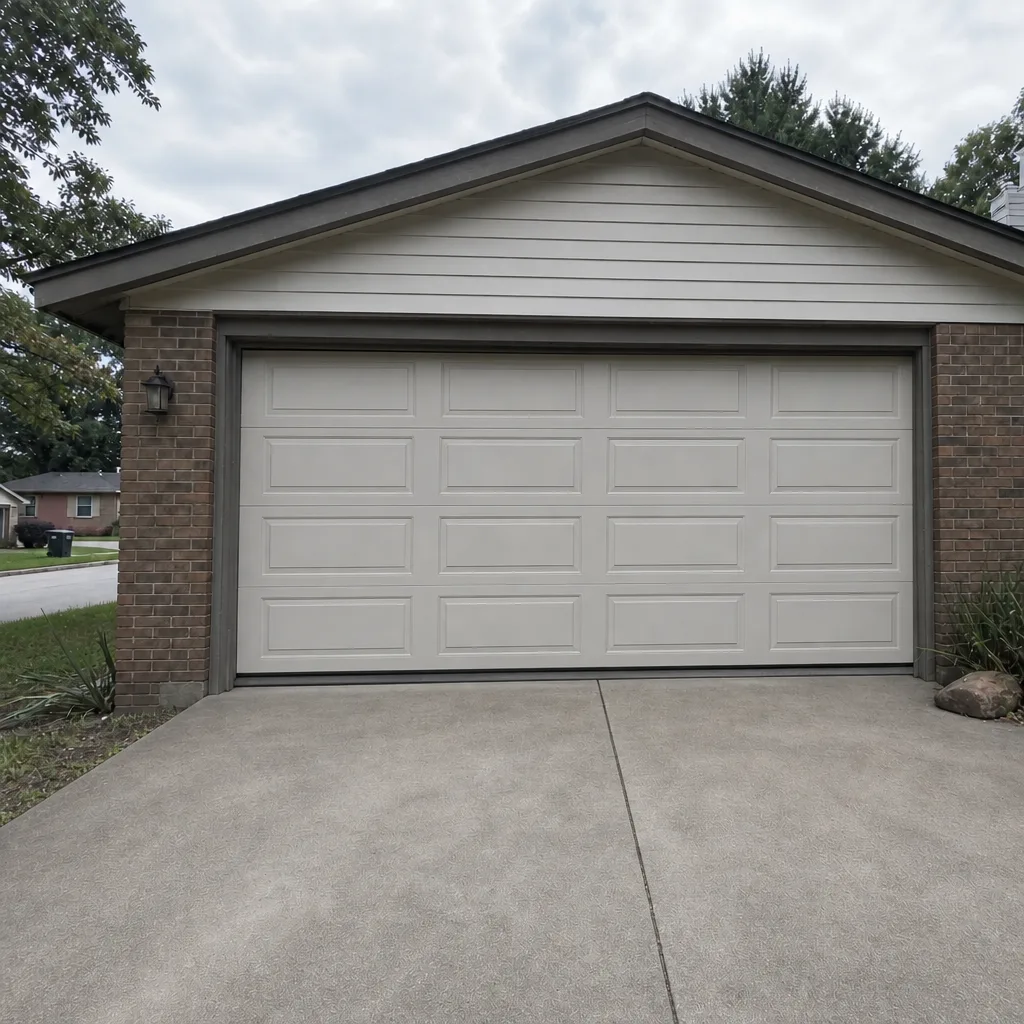 After
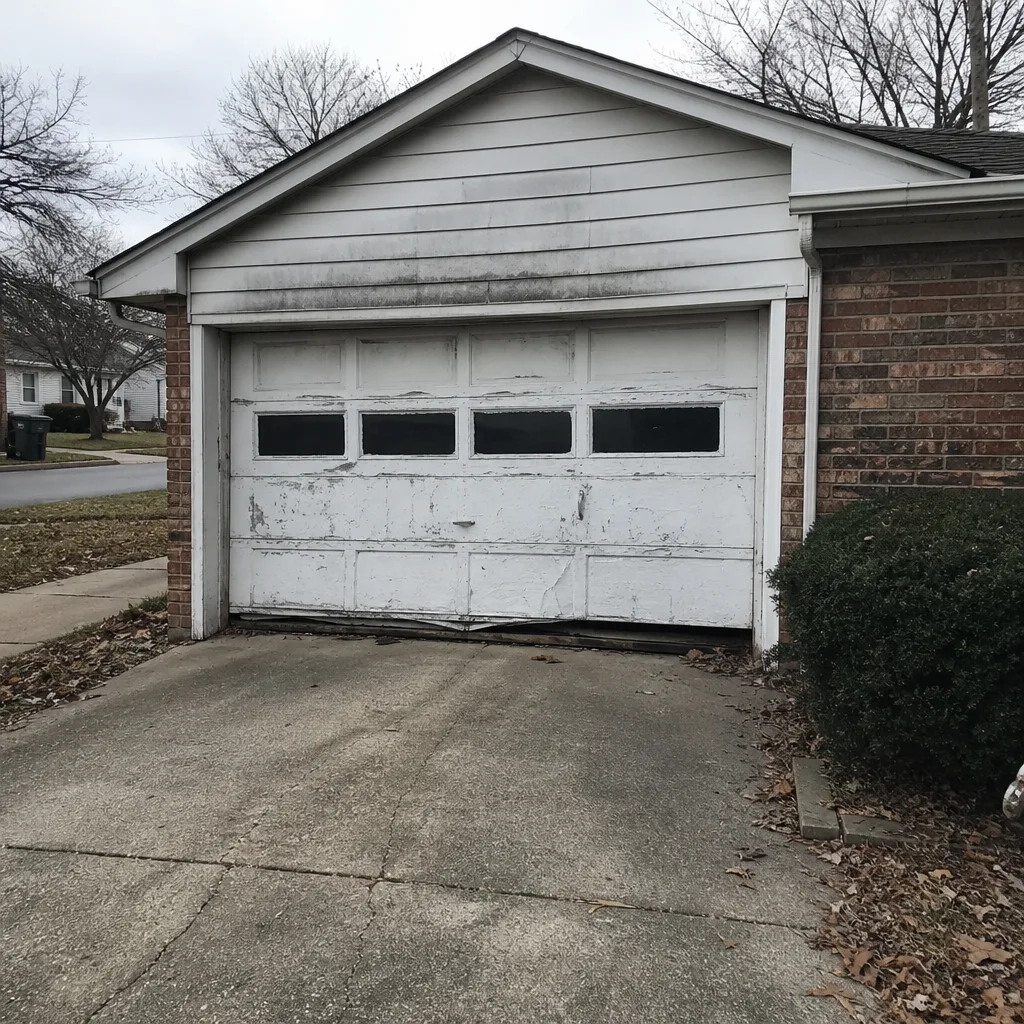 Before
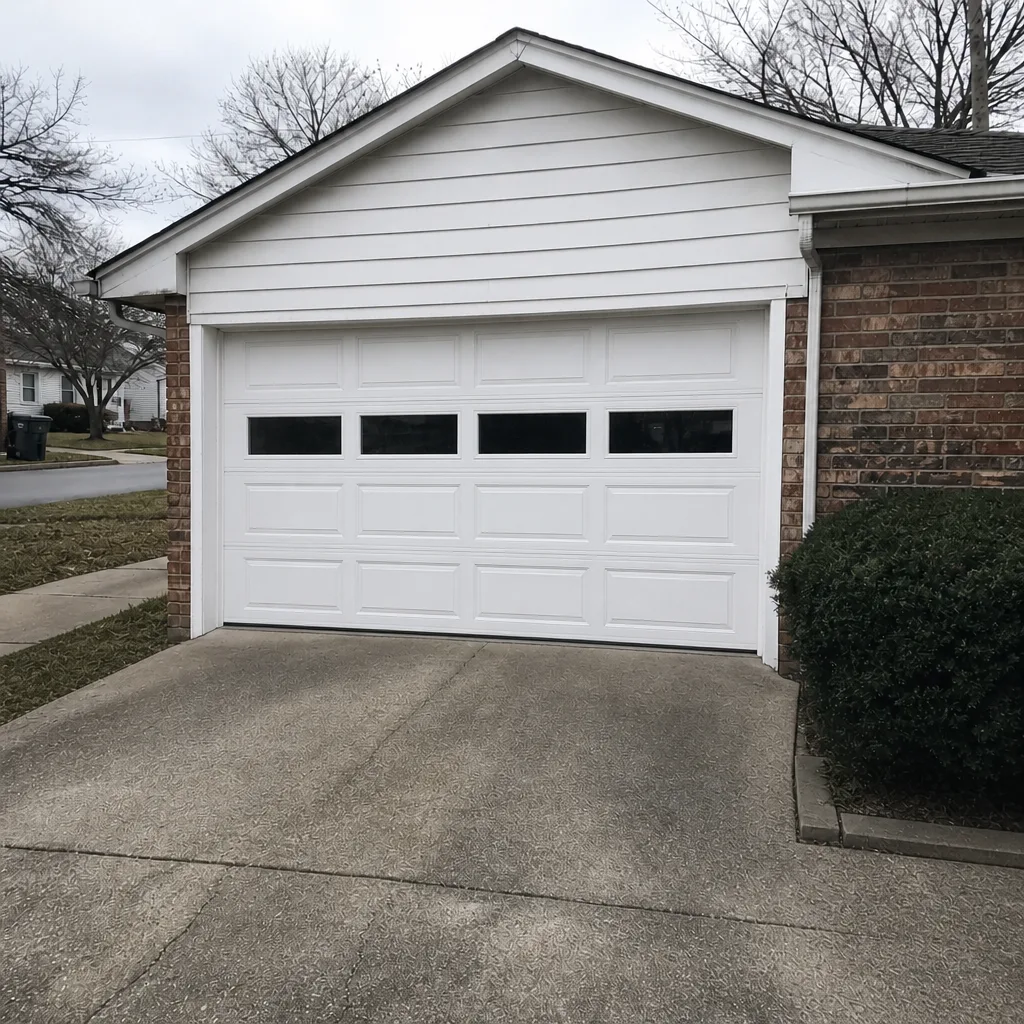 After
When to Call a Professional
Some things are worth a phone call rather than a weekend project. Call a professional if a spring has snapped or looks close to it, if the door is off its tracks or won’t close, if the opener hums without moving the door, or if the safety reverse fails. Call if the door drags on one side, which usually points to framing alignment you can’t fix from the outside. Call before you buy a new door if your opening looks out of square – the measurement needs to happen first. And if you’ve inherited a system and you’re not sure how old the springs are, a professional assessment is cheaper than a failed door.
Landon Garage Door Repair offers free estimates in St. Louis, covering repair, opener repair, and installation as three distinct services. Our technicians can work on your LiftMaster, Chamberlain, Genie, Clopay, Amarr, Wayne Dalton, Craftsman, or Raynor system, and we’ll tell you honestly whether a repair is worth it or replacement is the smarter call. Call (866) 942-7683. We answer 24/7. Fast dispatch from 7am to 7pm, Sunday through Friday.
Frequently Asked Questions
Typical garage door repair in St. Louis depends on the part and the door: a single spring replacement, new rollers, a hinge or cable job, and track adjustment each fall in their own range, and the written estimate sets the final price. Every job is quoted and agreed before any work starts, so you’ll know the number before the technician picks up a tool. Call (866) 942-7683 for an exact quote – estimates are free.
You want one if your garage is attached to the house or has living space above or beside it, because Zone 6a winters and humid summers make an uninsulated door a weak spot in your home’s envelope. A detached, unheated garage used only for storage is a reasonable place to skip the insulation and save. A professional can help you weigh the construction options against your budget. Call (866) 942-7683 to talk it through – estimates are free.
Summer swelling of wood jambs and thermal expansion of steel panels both tighten the door’s tolerances, so a door with marginal clearance can drag when it’s hot and humid and close fine in cooler, drier weather. It’s the same clay-soil framing movement showing up seasonally. Lubricating the moving parts helps, but persistent sticking means the track and opening should be checked. Call (866) 942-7683 for a free estimate.
Yes. We work on what you already have, and we service LiftMaster, Chamberlain, Genie, Clopay, Amarr, Wayne Dalton, Craftsman, and Raynor systems. Opener repair is its own discipline, so smart-home integration, remote pairing, safety reverse, and drive wear all get specialist attention. Call (866) 942-7683 for an exact quote – estimates are free.
No. The price is set per job by the written estimate and quoted and agreed before any work starts, so seeing the job doesn’t change the number you agreed to. If we find something else that needs attention, that’s a separate conversation and a separate approval. Call (866) 942-7683 for a free estimate.
Usually yes, if the door’s structure and springs are sound – a door that’s old can still have plenty of life in it, and a professional can tell in one visit whether the parts you can’t see are healthy. Age alone doesn’t decide it; condition does. Call (866) 942-7683 for a free estimate and an honest read on repair versus replacement.
The Bottom Line
St. Louis asks more of a garage door than most towns do. Clay soil moves the framing, freeze-thaw and humid summers wear the hardware, and the older housing stock means the opening was framed for a different set of standards than the door on it now. The decisions that matter most are the least glamorous: check the opening before you buy, match service to the brand you own, take insulation seriously in our climate, and treat springs and cables as a trained-professional area. Landon Garage Door Repair works on the system you have – door, hardware, and opener as one connected machine, handled together. From a broken spring to a full new door, we fix what’s there and tell you straight when a replacement is the smarter call.
Call (866) 942-7683 for a free estimate. We answer 24/7. Fast dispatch from 7am to 7pm, Sunday through Friday.
Written by the team at Landon Garage Door Repair.